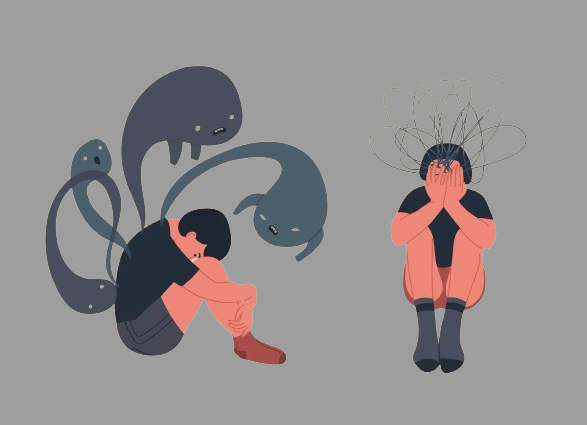
Silent anxiety is one of the most misunderstood forms of anxiety. Many people live with constant inner tension, physical discomfort, racing thoughts, or emotional overwhelm—yet they don’t experience panic attacks, obvious fear, or outward anxiety. Because of this, silent anxiety often goes unnoticed, undiagnosed, and untreated.
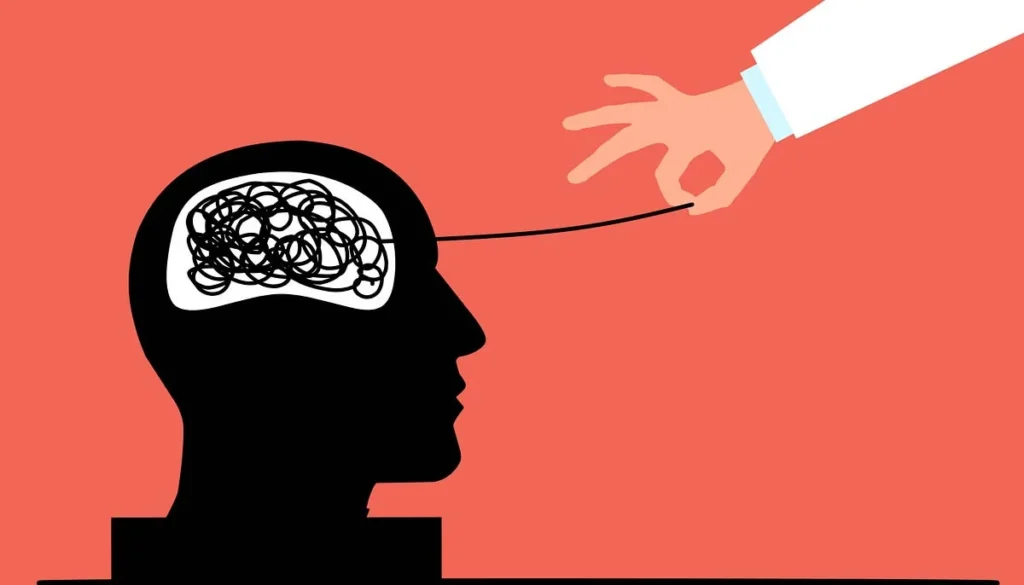
If you’ve ever thought, “Something feels wrong, but I don’t know why,” this article is for you.
What Is Silent Anxiety?
Silent anxiety (sometimes called hidden anxiety or internalized anxiety) is anxiety that operates beneath the surface. Instead of visible panic or fear, it manifests as ongoing nervous system activation, subtle physical symptoms, mental unease, or emotional tension.
People with silent anxiety often:
- Appear calm and functional on the outside
- Feel restless, tense, or overwhelmed internally
- Dismiss their symptoms because they’re “not anxious enough”
This makes silent anxiety especially isolating. You may feel invalidated—by others and by yourself.
Why Silent Anxiety Is So Common
Silent anxiety is common because modern life rewards productivity, composure, and emotional control. Many people learn early to suppress fear, stress, or emotional expression.
Over time, anxiety doesn’t disappear—it moves inward.
Other contributing factors include:
- Chronic stress
- Childhood emotional neglect
- High-functioning perfectionism
- Trauma stored in the nervous system
- Long-term overstimulation (screens, noise, pressure)
Common Silent Anxiety Symptoms
Silent anxiety affects the mind, body, and emotions simultaneously. Symptoms may fluctuate or remain constant.
Emotional Symptoms
- Feeling tense without knowing why
- Emotional sensitivity or irritability
- Sudden sadness or tearfulness
- Emotional numbness mixed with alertness
- Feeling overwhelmed by small tasks
Cognitive (Mental) Symptoms
- Racing thoughts without panic
- Overthinking conversations or decisions
- Constant mental alertness
- Difficulty relaxing or “switching off”
- Brain fog or difficulty concentrating
Physical Symptoms
- Tight chest or shallow breathing
- Jaw clenching, shoulder tension
- Digestive issues or nausea
- Head pressure or dizziness
- Fatigue despite rest
- Feeling “wired but tired”
Behavioral Signs
- Avoiding rest or silence
- Staying busy to distract the mind
- Trouble sitting still
- Sleep disturbances
What Are the Symptoms of Morning Anxiety?
Morning anxiety is extremely common in silent anxiety and often confusing. You wake up feeling anxious before anything has even happened.
Common Morning Anxiety Symptoms
- Racing thoughts immediately upon waking
- Tight chest or stomach discomfort
- Nausea or loss of appetite
- Sense of dread or unease
- Fatigue mixed with nervous energy
Why Anxiety Feels Worse in the Morning
The body releases cortisol (a stress hormone) naturally in the early morning to help you wake up. In people with a sensitive or overactivated nervous system, this cortisol spike can feel like anxiety.
You’re not anxious about something—the nervous system is simply already activated.
The Nervous System and Silent Anxiety
Silent anxiety is not a character flaw. It’s often a nervous system issue.
Your autonomic nervous system has two main states:
- Sympathetic (fight-or-flight)
- Parasympathetic (rest-and-digest)
In silent anxiety, the body remains stuck in low-grade fight-or-flight—even when there’s no danger.
This leads to:
- Hypervigilance
- Muscle tension
- Heightened sensory awareness
- Difficulty calming down
How to Stop Physical Symptoms of Anxiety
Physical symptoms can be the most distressing part of silent anxiety. The key is regulating the body first, not forcing the mind to relax.
1. Slow, Deep Breathing
Focus on long exhales:
- Inhale for 4 seconds
- Exhale for 6–8 seconds
This signals safety to the nervous system.
2. Grounding Through the Senses
- Name 5 things you can see
- 4 things you can feel
- 3 things you can hear
This pulls the body out of threat mode.
3. Gentle Movement
- Walking
- Stretching
- Yoga
Movement releases stored stress without overstimulating the system.
4. Temperature Regulation
- Splash cool water on your face
- Hold something warm
Temperature shifts help reset nervous system signals.
How to Remove Mental Anxiety
Mental anxiety often persists because the brain is trying to protect you, not harm you.
Strategies to Calm Mental Anxiety
1. Stop Fighting Thoughts
Trying to eliminate anxious thoughts makes them stronger. Instead, acknowledge them neutrally.
“I notice my mind is on high alert.”
2. Reduce Mental Stimulation
Limit:
- Excessive news consumption
- Constant scrolling
- Multitasking
The brain needs quiet to reset.
3. Practice Mindful Attention
Focus on what you’re doing right now—not fixing how you feel.
Presence calms anxiety more than control.
How to Cure Silent Anxiety
Many people ask whether silent anxiety can be “cured.” The honest answer is that silent anxiety can be deeply healed and managed, especially when you address the root cause.
Long-Term Healing Approaches
1. Nervous System Regulation
- Somatic therapy
- Breathwork
- Polyvagal exercises
2. Therapy Options
- Cognitive Behavioral Therapy (CBT)
- Somatic Experiencing
- Emotionally Focused Therapy (EFT)
3. Lifestyle Healing
- Consistent sleep schedule
- Balanced nutrition
- Reduced caffeine and sugar
- Daily rest without guilt
Healing silent anxiety isn’t about becoming fearless—it’s about helping your body feel safe again.
Lifestyle Changes That Reduce Silent Anxiety
Small changes done consistently matter more than drastic changes.
Sleep
- Go to bed and wake up at the same time
- Avoid screens before bed
Nutrition
- Eat regularly
- Avoid skipping meals
- Stay hydrated
Boundaries
- Reduce emotional overextension
- Learn to say no
Stimulation
- Limit noise, screens, and multitasking
- Schedule quiet time
When to Seek Professional Help
Consider professional support if:
- Anxiety interferes with daily life
- Physical symptoms persist
- You feel emotionally stuck
- Anxiety worsens over time
Getting help is not a failure—it’s a form of self-respect.
Frequently Asked Questions
Is silent anxiety a real condition?
Yes. Silent anxiety is a valid form of anxiety where symptoms are internalized rather than outwardly visible.
Can silent anxiety cause physical illness?
Chronic anxiety can contribute to headaches, digestive issues, fatigue, and muscle tension.
Why do I feel anxious for no reason?
Often, the nervous system is activated due to stress, trauma, or hormonal shifts—not conscious fear.
How long does silent anxiety last?
Without treatment, it can persist for years. With proper regulation and support, symptoms often improve significantly.
Is silent anxiety the same as depression?
No. Silent anxiety involves heightened alertness, while depression often involves low energy and emotional numbness.
Conclusion: You’re Not Broken—You’re Overstimulated
Silent anxiety doesn’t mean you’re weak, dramatic, or imagining things. It means your nervous system has been working too hard for too long.
Healing is possible—not by forcing calm, but by creating safety.
You are not alone. And you don’t have to stay stuck in silence.