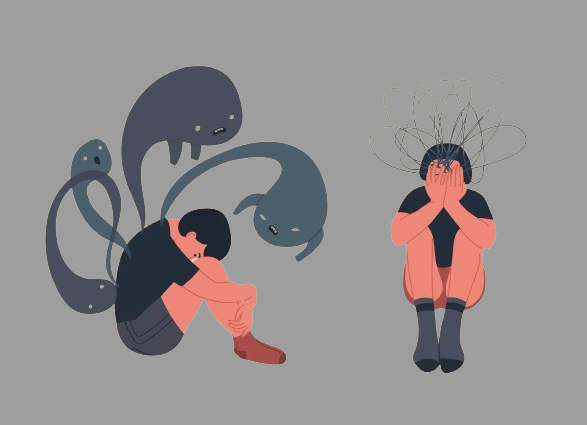
You wake up on time. You go to work. You smile at colleagues. You answer messages. You show up for family dinners. On the outside, everything looks fine. But inside? You feel exhausted. Empty. Disconnected. This is how signs of hidden depression often begin — quietly, invisibly, and behind a functioning life.
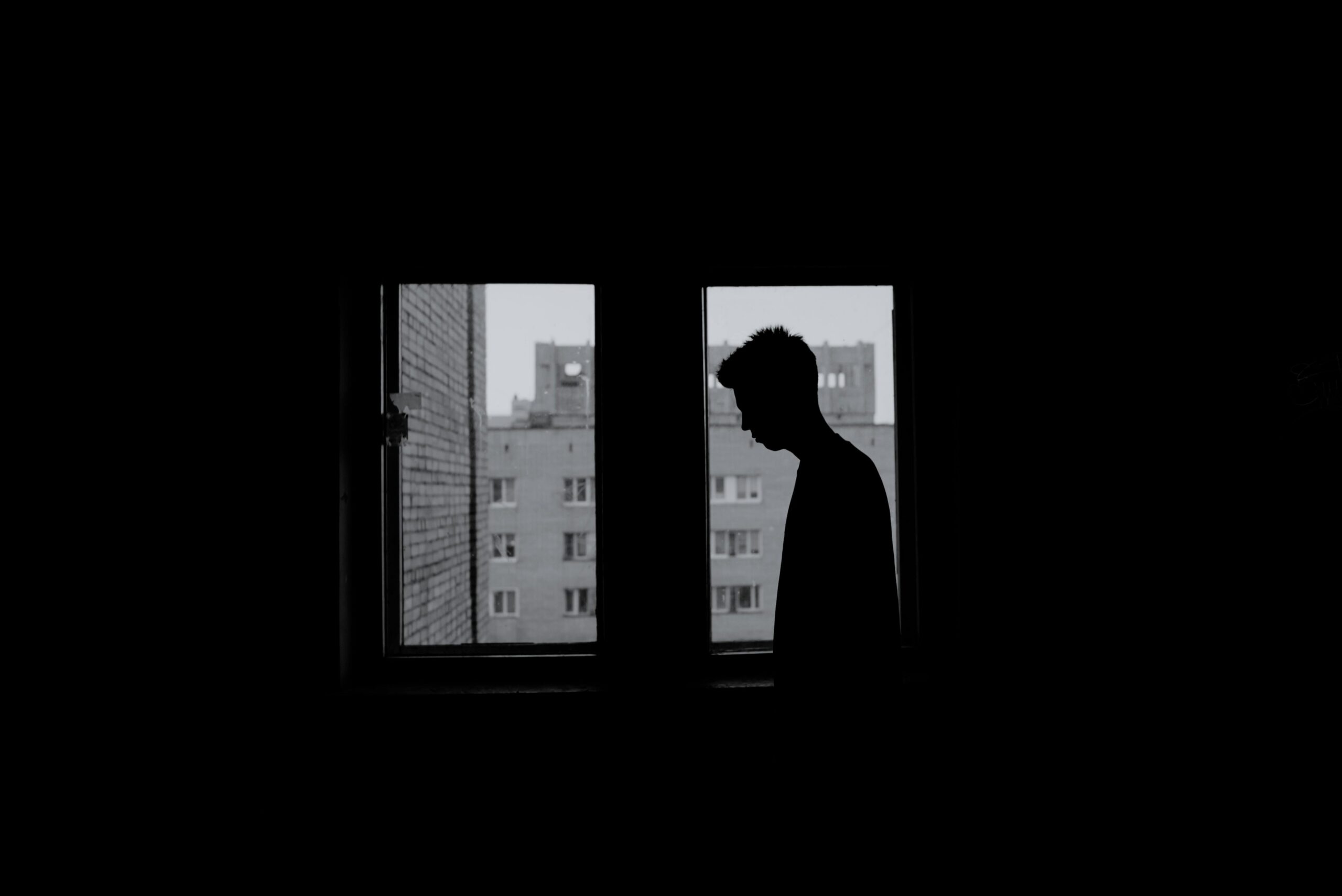
Hidden depression (sometimes called smiling depression or high-functioning depression) doesn’t always look like sadness. There may be no obvious tears, no dramatic breakdowns, no visible collapse. Instead, there’s performance. Productivity. Politeness. And pain that stays private.
Because it doesn’t match the stereotypical image of depression, many people miss the signs of hidden depression — in themselves and in others. This article explores what hidden depression really looks like, how it affects the mind and body, and when professional help becomes essential.
If you’ve ever wondered, “Am I actually depressed, or just tired?” — keep reading.
What Is Hidden Depression?
Hidden depression is not a formal diagnosis in the DSM-5-TR, but mental health professionals often use the term to describe depression that is masked by outward functionality.
A person with hidden depression may:
- Maintain work responsibilities
- Socialize occasionally
- Appear successful
- Avoid discussing emotional pain
Clinically, it often overlaps with:
- Major Depressive Disorder (MDD)
- Persistent Depressive Disorder (Dysthymia)
- Atypical depression
- High-functioning depression patterns
According to the World Health Organization (WHO), depression affects over 280 million people globally. Yet many cases go undiagnosed because symptoms don’t always look dramatic or obvious.
Hidden depression can include:
- Emotional numbness rather than sadness
- Irritability instead of tearfulness
- Overworking as distraction
- Constant “I’m fine” responses
The danger? Because everything looks normal, people delay seeking help.
How Do You Know If You Are Depressed?
Depression isn’t always about crying or staying in bed. Sometimes it shows up in subtle psychological shifts.
Here are signs to look for:
Emotional Signs
- Persistent emptiness
- Irritability
- Hopeless thoughts
- Feeling disconnected from joy
Cognitive Signs
- Brain fog
- Trouble concentrating
- Harsh self-criticism
- Overthinking small mistakes
Behavioral Signs
- Overworking to avoid feelings
- Withdrawing socially
- Increased screen time or distractions
- Changes in routine
If these patterns last more than two weeks and interfere with your internal well-being, depression may be present — even if life appears stable.
Signs of Hidden Depression
Below are 15 common signs of hidden depression that often go unnoticed.
1. Smiling to Hide Emotional Pain
You laugh. You joke. You perform happiness.
But internally, you feel heavy.
Smiling depression involves masking sadness to avoid worrying others. It often stems from fear of burdening people or appearing weak.
2. Overworking or Constant Productivity
Staying busy becomes a coping mechanism.
Work, gym, chores, projects — constant movement prevents emotional stillness. Productivity becomes emotional avoidance.
3. Irritability Instead of Sadness
Hidden depression frequently appears as anger or frustration.
You snap more easily. Small annoyances feel overwhelming. You feel constantly “on edge.”
4. Emotional Numbness
Rather than sadness, you feel… nothing.
No excitement. No deep joy. Just emotional flatness.
5. Social Withdrawal While Appearing Busy
You decline invitations but blame workload.
You isolate without openly admitting loneliness.
6. Sleep Disturbances
Either:
- Insomnia and racing thoughts
- Oversleeping yet still exhausted
Sleep becomes irregular and unrefreshing.
7. Appetite Changes
Some lose appetite. Others emotionally eat for comfort.
Subtle but consistent shifts in eating habits are common physical signs.
8. Secret Crying
You hold it together in public.
But alone? Tears come unexpectedly.
9. Harsh Self-Criticism
You feel like you’re never good enough.
Even achievements don’t silence the inner critic.
10. Perfectionism
You overcompensate by striving for flawlessness.
Mistakes feel catastrophic.
11. Chronic Fatigue
Not just physical tiredness — emotional exhaustion.
Rest doesn’t feel restorative.
12. Loss of Interest
Activities once enjoyable feel dull.
You participate out of obligation, not excitement.
13. Feeling Empty
A hollow, quiet emptiness replaces emotional engagement.
14. Risky or Impulsive Behavior
Some cope through:
- Excess spending
- Substance use
- Reckless decisions
These behaviors temporarily distract from emotional pain.
15. Passive Thoughts About Death
Not necessarily active suicidal plans — but thoughts like:
- “It wouldn’t matter if I wasn’t here.”
- “I’m tired of existing.”
These thoughts should always be taken seriously.
What Are the Physical Symptoms of Depression?
Depression affects the brain and body.
Common Physical Symptoms:
- Headaches
- Digestive issues
- Muscle tension
- Body aches
- Hormonal imbalance
- Lower immunity
- Chronic fatigue
Emotional vs Physical Symptoms
| Emotional Symptoms | Physical Symptoms |
|---|---|
| Hopelessness | Fatigue |
| Irritability | Headaches |
| Numbness | Body aches |
| Loss of interest | Sleep issues |
| Self-criticism | Appetite changes |
Depression alters neurotransmitters like serotonin and dopamine, which influence sleep, appetite, and pain perception.
Why People Hide Their Depression
Hidden depression doesn’t appear randomly. There are reasons.
1. Stigma
Mental health stigma makes vulnerability feel risky.
2. Cultural Expectations
In some cultures, emotional expression is discouraged.
3. Fear of Being a Burden
People don’t want to “worry” others.
4. High-Achiever Personality
Success becomes identity.
5. Trauma Conditioning
Some learned early that feelings are unsafe.
6. Gender Norms
Men often mask depression through irritability or work.
How to Get Out of Deep Depression?
Recovery is possible — but it rarely happens through willpower alone.
Step 1: Acknowledge It
Naming depression reduces its secrecy.
Step 2: Talk to Someone
A therapist trained in CBT or trauma-informed therapy can help.
Step 3: Evaluate Medical Options
Antidepressants (such as SSRIs) may be appropriate under psychiatric guidance.
Step 4: Regulate the Nervous System
- Deep breathing
- Light exercise
- Sunlight exposure
- Consistent sleep schedule
Step 5: Start Small
Depression shrinks motivation. Focus on tiny wins:
- Shower
- Short walk
- One text message
Momentum builds slowly.
When Does a Depressed Person Need to Be Hospitalized?
Hospitalization may be necessary if:
- There are active suicidal plans
- Self-harm behaviors occur
- Psychotic symptoms appear
- The person cannot function or care for themselves
If someone expresses immediate suicidal intent, emergency services should be contacted right away.
If you or someone you know is in crisis, contact your local emergency number or a suicide prevention hotline in your country.
Seeking urgent help is not weakness — it is protection.
FAQs
Can you have depression without feeling sad?
Yes. Hidden depression often presents as irritability, numbness, or exhaustion rather than visible sadness.
What does hidden depression look like?
It looks like someone functioning externally while struggling internally.
Can someone with depression seem happy?
Yes. Smiling depression involves masking symptoms.
Is hidden depression dangerous?
Yes. Untreated depression can worsen and increase suicide risk.
How long does hidden depression last?
It varies. Without treatment, it can persist for months or years.
Conclusion
The most dangerous part of signs of hidden depression is their invisibility.
You can be productive and depressed. Social and struggling. Smiling and silently hurting.
If something feels off internally — even if life looks fine — listen to that signal. Depression doesn’t always scream. Sometimes it whispers.
And whispers still deserve attention.