In recent years, schizoposting has emerged as a strange, chaotic, and often controversial corner of internet culture. The term is used to describe a style of online posting that mimics fragmented thinking, exaggerated paranoia, surreal logic jumps, and hyper-ironic intensity. While some see schizoposting as just another layer of absurd meme humor, others question whether it crosses ethical lines—especially when it borrows language associated with serious mental health conditions.
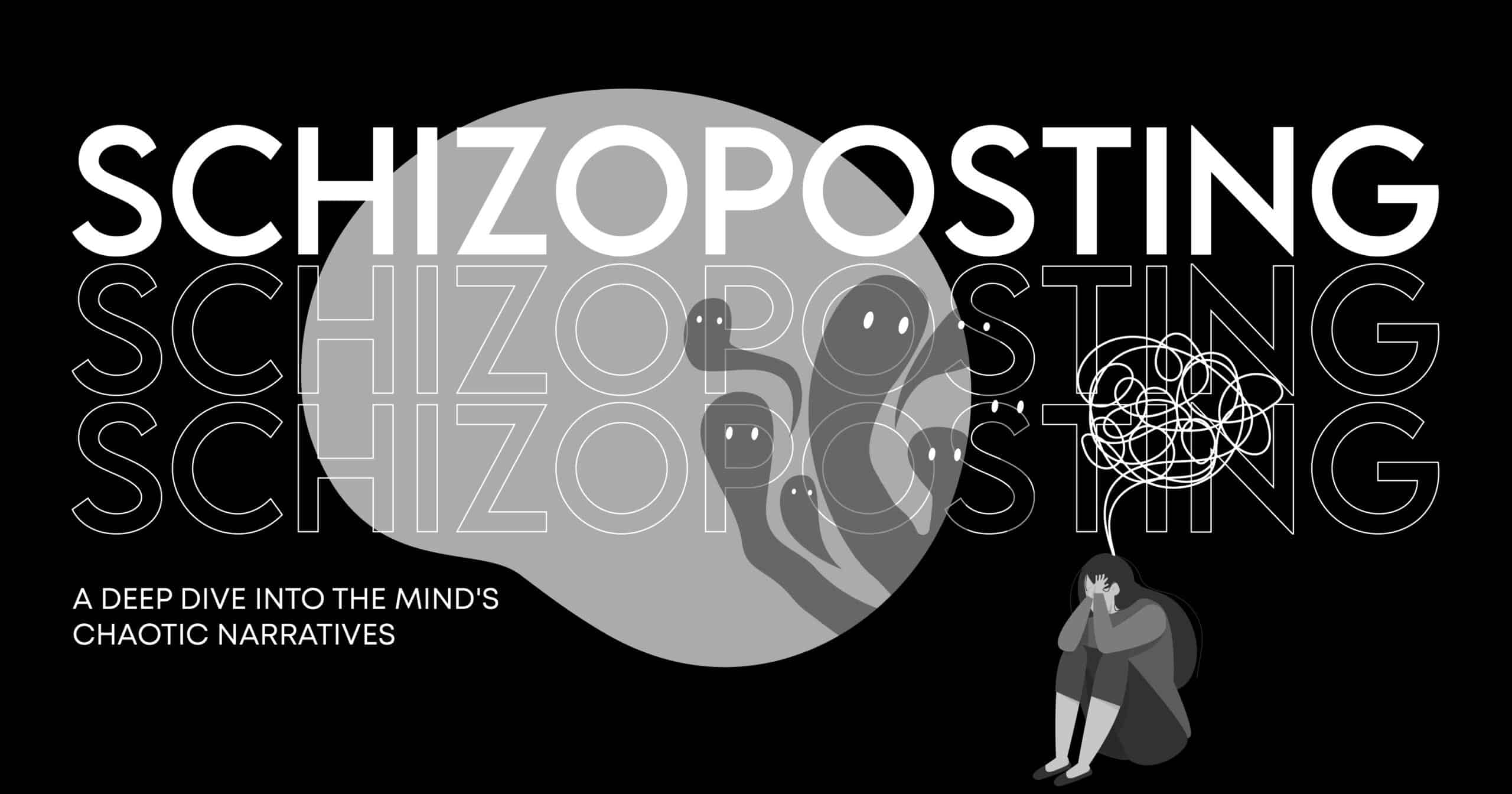
So what exactly is schizoposting? Where did it originate? And why has it sparked debate about online language, stigma, and digital responsibility?
What Is “Schizoposting”? Check Out the Inside
Schizoposting refers to a meme or posting style characterized by chaotic structure, exaggerated conspiracy tones, disjointed logic, ironic paranoia, and surreal intensity. It often blends absurd humor with mock-serious claims, creating a tone that feels unstable or intentionally unhinged.
Core Characteristics of Schizoposting
- Rapid topic shifts
- Mock conspiracy language
- Overstated paranoia
- Surreal conclusions
- Fragmented sentence structures
- Hyper-ironic tone
At first glance, it may appear similar to surreal memes. However, schizoposting typically leans more heavily into exaggerated delusion-like structures for comedic effect.
Importantly, most creators do not claim to represent actual mental illness. The tone is performative, exaggerated, and often deeply ironic.
The Cultural Roots of Schizoposting
To understand schizoposting, we need to examine its origins in anonymous internet culture.
Imageboard and Anonymous Forum Influence
Communities on platforms like 4chan, Reddit, and Discord popularized chaotic humor styles. These environments encouraged:
- Anonymity
- Shock value
- Irony layers
- Extreme exaggeration
Over time, irony evolved into post-irony—where it’s unclear whether the poster is serious or joking.
Gen Z and Digital Absurdism
Younger internet users grew up in an environment saturated with memes, algorithmic feeds, and rapid cultural shifts. As a result, humor became:
- Self-aware
- Hyper-layered
- Nihilistic
- Absurdist
Schizoposting fits within this ecosystem of exaggerated absurdism.
Does “Schizoposting” Appropriate Schizophrenia?
This is where the conversation becomes more serious.
Understanding Schizophrenia
Schizophrenia is a complex psychiatric condition involving symptoms such as:
- Hallucinations
- Delusions
- Disorganized thinking
- Social withdrawal
It is a real and often debilitating mental health disorder requiring professional care.
The Ethical Debate
Critics argue that schizoposting:
- Uses clinical terminology casually
- Reinforces stereotypes about disorganized thinking
- Trivializes serious mental illness
Supporters argue that:
- Internet language evolves independently
- The term has drifted from medical meaning
- Intent is comedic, not diagnostic
This tension highlights a broader issue: how online slang intersects with mental health awareness.
What Is “Schizoposting” and Why It’s Dangerous?
While not inherently malicious, schizoposting can carry potential risks.
1. Normalizing Stereotypes
By associating “schizo” language with chaos and instability, the meme style may unintentionally reinforce stigma.
2. Confusing Irony with Genuine Distress
In online spaces, it can be difficult to distinguish between:
- Ironic exaggerated paranoia
- Real expressions of mental health crisis
This ambiguity can complicate moderation and support systems.
3. Algorithm Amplification
Platforms prioritize engagement. Chaotic, shocking content often spreads quickly—regardless of context.
4. Impact on Vulnerable Audiences
Individuals struggling with anxiety, paranoia, or psychosis may find this content triggering or confusing.
However, it’s important to avoid moral panic. Not all schizoposting is harmful—but context matters.
Why Is Schizoposting So Popular?
Schizoposting didn’t gain traction randomly. It resonates for specific reasons.
1. Digital Age Anxiety
Modern life is fast, unpredictable, and overwhelming. Chaotic humor reflects that reality.
2. Attention Economy
Extreme tones stand out in crowded feeds.
3. Irony as Protection
Irony provides emotional distance. Posting in an exaggerated style shields vulnerability.
4. Shared Cultural Code
Understanding schizoposting signals insider status in certain online communities.
The Psychology Behind Schizoposting
From a psychological perspective, schizoposting intersects with several concepts.
Cognitive Dissonance
Absurd contradictions create mental tension, which humor then releases.
Existential Humor
In uncertain times, absurdity can feel relatable.
Irony Poisoning
When everything becomes ironic, sincerity becomes difficult. This phenomenon is sometimes referred to as irony saturation.
Coping Mechanisms
Some users express frustration, anxiety, or alienation through exaggerated humor.
Is Schizoposting Just Dark Humor?
There are similarities between schizoposting and other humor styles.
| Style | Key Feature |
|---|---|
| Surreal memes | Random absurdity |
| Dark humor | Jokes about taboo topics |
| Absurdist comedy | Illogical but playful narratives |
| Schizoposting | Mock-paranoid chaotic tone |
The difference lies in its mimicry of instability themes.
When the humor targets systems or abstract fears, it remains satire. When it reinforces harmful stereotypes, it becomes problematic.
How Platforms Respond to Schizoposting Trends
Major platforms like Reddit, TikTok, X, and Discord face moderation challenges:
- Is it satire?
- harassment?
- Is harmful?
- Is it real distress?
Algorithms struggle with nuance. As a result, enforcement can be inconsistent.
The Role of Meme Culture in Language Evolution
Language constantly evolves. Words shift meaning across contexts.
However, mental health terminology carries real-world weight. Balancing linguistic evolution with compassion is an ongoing challenge.
How to Engage With Internet Humor Responsibly
You don’t need to avoid internet humor—but awareness matters.
Tips for Responsible Engagement
- Recognize satire vs. reality
- Avoid reinforcing harmful stereotypes
- Be mindful of audience diversity
- Take breaks from overwhelming content
- Support mental health awareness
The Broader Conversation: Meme Culture and Mental Health
Schizoposting reflects larger themes:
- Digital alienation
- Cultural fragmentation
- Attention-driven platforms
- Irony saturation
It’s not just about memes—it’s about how we process modern chaos.
FAQ Section
What does schizoposting mean?
Schizoposting is a meme style characterized by chaotic, exaggerated paranoid tones used for ironic or absurd humor in online communities.
Is schizoposting related to schizophrenia?
While the term references schizophrenia linguistically, schizoposting is typically performative humor and not a clinical expression of the disorder.
Why is schizoposting controversial?
It is controversial because some argue it trivializes or stigmatizes serious mental health conditions.
Is schizoposting harmful?
It can be harmful if it reinforces stereotypes or confuses genuine distress with satire, but context plays a major role.
Where did schizoposting originate?
It evolved from anonymous imageboard culture and later spread through mainstream social platforms.
Final Thoughts: Meme Culture, Language, and Responsibility
Schizoposting sits at the intersection of humor, irony, chaos, and controversy. It reflects digital-age anxiety and the evolution of meme language. At its best, it’s absurd satire. At its worst, it risks reinforcing stigma.
The challenge isn’t banning humor—it’s encouraging awareness.
As internet culture continues to evolve, conversations around language, sensitivity, and context will remain essential.