If you’ve ever experienced ongoing physical discomfort that medical tests couldn’t fully explain, you may have wondered whether it could be related to psychosomatic symptoms. These symptoms are real, often painful, and deeply connected to the mind-body relationship.

Psychosomatic symptoms are physical symptoms that are influenced or triggered by emotional stress, trauma, or psychological factors. They are not imaginary. They are not “made up.” And they are not a sign of weakness.
What Are Psychosomatic Symptoms?
Psychosomatic symptoms are physical symptoms that are caused or worsened by psychological stress. The word “psychosomatic” combines:
- Psyche (mind)
- Soma (body)
It describes the powerful interaction between emotional distress and physical health.
In clinical settings, persistent physical symptoms influenced by psychological factors may fall under Somatic Symptom Disorder, a diagnosis described in the Diagnostic and Statistical Manual of Mental Disorders.
However, not everyone with psychosomatic symptoms meets diagnostic criteria. Many people experience stress-related physical symptoms during difficult life periods.
The Science Behind the Mind-Body Connection
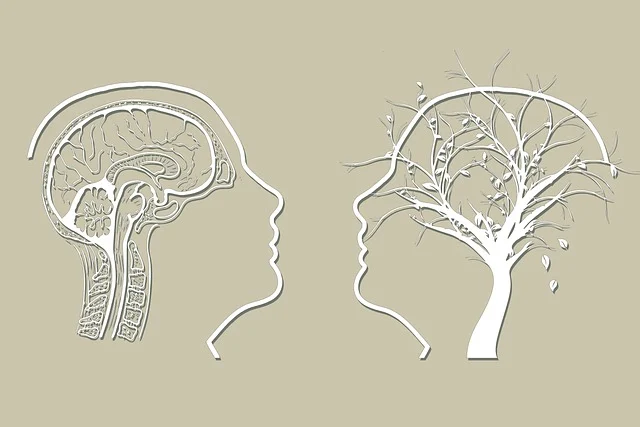
Your brain and body are constantly communicating.
When you experience stress, your nervous system activates the fight-or-flight response. This response releases stress hormones such as adrenaline and cortisol.
These hormones cause:
- Muscle tightening
- Increased heart rate
- Changes in digestion
- Altered breathing
- Heightened pain sensitivity
If stress becomes chronic, the body remains in a semi-activated state. Over time, this can produce ongoing physical discomfort.
This is why emotional stress can create very real physical pain.
Why Psychosomatic Symptoms Feel So Real
Many people struggle with guilt or confusion when told their symptoms may be stress-related.
But here’s the truth:
Psychosomatic symptoms are real physical experiences.
The pain signals, nerve activation, and muscle tension are genuine biological processes. The difference is that the trigger originates from stress or emotional distress rather than structural disease.
Your body is responding to perceived danger.
The nervous system does not differentiate well between emotional threat and physical threat.
What Are Some Examples of Psychosomatic Symptoms?
Psychosomatic symptoms can affect nearly every part of the body. Some of the most common examples include:
Headaches
Stress tension can tighten neck and scalp muscles, leading to chronic headaches.
Back Pain
Emotional burden often manifests as muscle tension in the lower back.
Chest Tightness
Anxiety can cause shallow breathing and chest muscle constriction.
Digestive Issues
Stress alters gut motility, leading to nausea, bloating, or diarrhea.
Fatigue
Chronic stress drains energy reserves.
Muscle Pain
Persistent tension leads to aching shoulders, neck, or jaw.
Dizziness
Hyperventilation and stress hormone surges can create lightheadedness.
Skin Conditions
Stress may worsen eczema, psoriasis, or hives.
Tingling or Numbness
Often related to anxiety-related breathing changes.
These are all examples of psychosomatic symptoms because stress and emotional strain directly influence them.
What Is the Most Common Somatic Symptom?
The most common somatic symptom is chronic pain — especially:
- Lower back pain
- Tension headaches
- Neck and shoulder pain
Digestive distress and fatigue are also extremely common.
Why?
Because muscles, the gut, and energy systems are highly sensitive to stress hormones.
When stress becomes prolonged, these systems show it first.
How Do I Know If My Symptoms Are Psychosomatic?
This is a difficult question — and one that requires care.
First, always rule out medical causes with a healthcare provider.
However, symptoms may be psychosomatic when:
- Medical tests return normal results
- Symptoms worsen during stress
- Symptoms improve when distracted
- The pain shifts location
- Episodes follow emotional triggers
Psychosomatic symptoms often fluctuate with emotional states.
Key Differences
Psychosomatic symptoms:
- Increase during stress
- Reduce during relaxation
- Lack structural findings
- Follow emotional events
Medical conditions:
- Often show objective findings
- Follow predictable biological patterns
- Do not consistently fluctuate with stress levels
Still, only a medical professional can confirm.
Psychosomatic Symptoms vs Somatic Symptom Disorder
Occasional psychosomatic symptoms are common.
But when physical symptoms persist for months and cause severe distress, a clinician may evaluate for Somatic Symptom Disorder.
This diagnosis does not mean symptoms are fake. It reflects excessive distress and preoccupation with physical symptoms.
The emphasis is on distress level — not the absence of real pain.
Psychosomatic Symptoms vs Health Anxiety
Psychosomatic symptoms involve physical sensations driven by stress.
Health anxiety involves fear of having a serious illness.
Someone can experience:
- Psychosomatic pain without illness fear
- Health anxiety without significant physical pain
- Or both together
The overlap can complicate the experience.
Trauma and Stored Stress in the Body
Trauma can deeply affect the nervous system.
Unresolved trauma may keep the body in a hyper-alert state. Over time, this chronic activation can produce:
- Muscle tightness
- Digestive problems
- Migraines
- Pelvic pain
- Chronic fatigue
The body “remembers” stress patterns even when the mind tries to move on.
This does not mean trauma permanently damages you. It means your nervous system needs support to reset.
The Psychosomatic Cycle
Psychosomatic symptoms often follow this pattern:
- Emotional stress
- Nervous system activation
- Physical sensation
- Worry about symptom
- Increased stress
- Intensified symptom
This loop can continue until stress is addressed.
Breaking the cycle requires targeting both emotional stress and fear of symptoms.
How Do You Treat Psychosomatic Pain?
Treatment focuses on calming the nervous system and addressing underlying stress.
1. Cognitive Behavioral Therapy (CBT)
CBT helps identify thought patterns that amplify stress. It reduces catastrophic thinking about symptoms and improves coping skills.
2. Somatic Therapy
Somatic therapy focuses on body awareness and releasing stored tension.
3. Trauma Therapy
If trauma is involved, approaches like EMDR or trauma-focused therapy may help regulate the nervous system.
4. Mindfulness-Based Stress Reduction
Mindfulness reduces stress reactivity and improves pain tolerance.
5. Nervous System Regulation
- Slow breathing exercises
- Progressive muscle relaxation
- Cold water exposure
- Gentle yoga
6. Lifestyle Changes
- Regular sleep
- Physical movement
- Reduced caffeine
- Balanced nutrition
7. Medication
Sometimes antidepressants or anti-anxiety medications may help reduce symptom intensity. Always consult a physician.
Recovery is gradual and often requires consistency.
Can Psychosomatic Symptoms Go Away?
Yes.
When the nervous system returns to balance and stress is managed effectively, symptoms often decrease or disappear.
However, progress is rarely linear.
Some flare-ups may occur during stressful life events. This does not mean failure.
How Long Do Psychosomatic Symptoms Last?
Duration varies.
Short-term stress can produce temporary symptoms lasting days or weeks.
Chronic stress or trauma-related symptoms may last months or years without intervention.
Early treatment improves outcomes significantly.
How to Support Someone Experiencing Psychosomatic Symptoms
If someone you love struggles with psychosomatic symptoms:
- Validate their pain
- Avoid dismissing it as “just stress”
- Encourage professional support
- Help them reduce stressors
- Practice patience
Compassion helps calm the nervous system.
Why Compassion Matters in Psychosomatic Symptoms
Many people feel ashamed when told stress may be causing pain.
Shame increases stress.
And stress increases symptoms.
Breaking this cycle starts with understanding:
Your body is not betraying you.
It is reacting to overload.
Practical Daily Strategies to Reduce Psychosomatic Symptoms
- Schedule daily relaxation time
- Limit overworking
- Journal emotional stress
- Set healthy boundaries
- Engage in enjoyable activities
- Practice gratitude
- Stay socially connected
Small daily regulation builds long-term stability.
When to Seek Medical or Mental Health Help
Seek medical evaluation if:
- Symptoms are new or severe
- You have risk factors
- Pain interferes with daily function
- You feel hopeless or depressed
Professional help is not a sign of weakness. It is a sign of proactive care.
Final Thoughts: Your Symptoms Are Real — and So Is Healing
Psychosomatic symptoms can feel confusing, frustrating, and isolating. The pain is real. The fatigue is real. The discomfort is real.
But so is the mind-body connection.
When emotional stress overwhelms the nervous system, the body speaks.
With proper support — therapy, stress regulation, lifestyle adjustments, and compassion — healing is possible.
Your symptoms are not imaginary.
They are signals.
And with the right approach, those signals can quiet.
You deserve relief.