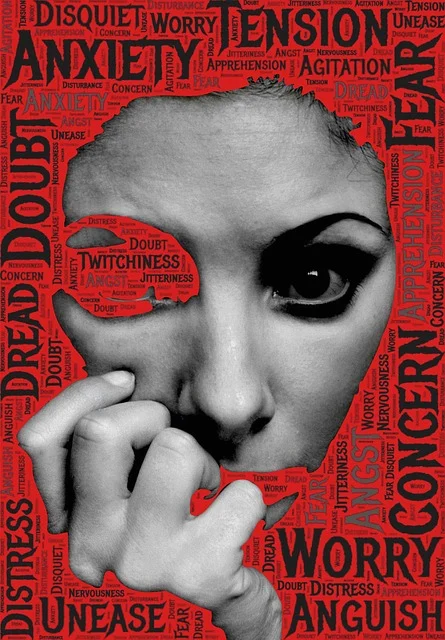
Premenstrual Dysphoric Disorder is a severe and often misunderstood condition that affects a small but significant percentage of individuals during the menstrual cycle. While many people experience mild premenstrual symptoms commonly known as PMS, Premenstrual Dysphoric Disorder (PMDD) involves intense emotional and physical symptoms that can disrupt daily life, relationships, and mental well-being. The condition typically appears during the luteal phase of the menstrual cycle—usually one to two weeks before menstruation—and symptoms often improve shortly after the menstrual period begins.
PMDD is more than just mood swings or irritability before a period. It is a clinically recognized disorder that can cause severe depression, anxiety, irritability, fatigue, and physical discomfort. Because the symptoms are cyclical and linked to hormonal changes, many individuals may struggle for years without understanding what is happening to them.
Growing awareness of Premenstrual Dysphoric Disorder has led to improved research and treatment options. Healthcare professionals now recognize PMDD as a complex interaction between hormonal fluctuations and brain chemistry. With proper diagnosis and treatment, many people can significantly reduce their symptoms and improve their quality of life.
What Is a Premenstrual Dysphoric Disorder?
Premenstrual Dysphoric Disorder is a severe form of premenstrual syndrome (PMS) characterized by significant emotional, psychological, and physical symptoms that occur before menstruation. Unlike typical PMS, PMDD symptoms are intense enough to interfere with daily functioning.
PMDD is recognized in modern psychiatric classification systems such as the Diagnostic and Statistical Manual of Mental Disorders developed by the American Psychiatric Association.
Difference Between PMS and PMDD
Although both conditions occur before menstruation, there are important differences.
PMS symptoms:
- mild mood swings
- bloating
- fatigue
- temporary irritability
PMDD symptoms:
- severe depression
- intense irritability or anger
- anxiety or panic
- difficulty functioning in work or relationships
PMDD affects a smaller percentage of individuals but can have a much stronger emotional and psychological impact.
What Causes Premenstrual Dysphoric Disorder?
The exact cause of Premenstrual Dysphoric Disorder is not fully understood, but researchers believe it results from a combination of hormonal changes and brain chemistry.
Hormonal Fluctuations
During the menstrual cycle, estrogen and progesterone levels naturally rise and fall. In people with PMDD, the brain may be unusually sensitive to these hormonal changes.
This sensitivity can trigger emotional and physical symptoms during the luteal phase of the cycle.
Brain Chemistry and Serotonin
Hormonal fluctuations can influence neurotransmitters such as serotonin, which regulates mood, sleep, and emotional stability.
Lower serotonin activity is believed to contribute to depression, irritability, and anxiety associated with PMDD.
Genetic and Biological Factors
Some studies suggest that genetic differences may make certain individuals more vulnerable to PMDD. If family members have experienced severe PMS or mood disorders, the risk may increase.
Stress and Environmental Influences
High levels of chronic stress may worsen hormonal sensitivity and intensify PMDD symptoms.
Stress may also affect sleep patterns, emotional regulation, and hormone balance.
Sensitivity to Hormonal Changes
Rather than abnormal hormone levels, people with PMDD may have a stronger neurological reaction to normal hormonal fluctuations.
This heightened sensitivity may explain why symptoms appear only during specific phases of the menstrual cycle.
What Are the 11 Symptoms of PMDD?
The symptoms of Premenstrual Dysphoric Disorder typically appear during the week or two before menstruation and improve shortly after the menstrual period begins.
Emotional Symptoms
- Severe mood swings
- Irritability or anger
- Depression or feelings of sadness
- Anxiety or tension
- Feelings of hopelessness
Cognitive Symptoms
- Difficulty concentrating
- Feeling overwhelmed or out of control
Physical Symptoms
- Fatigue or low energy
- Sleep disturbances (insomnia or oversleeping)
- Appetite changes or food cravings
- Physical symptoms such as bloating, headaches, or breast tenderness
These symptoms can vary from person to person but often occur in predictable monthly patterns.
How Premenstrual Dysphoric Disorder Affects Mental Health
Premenstrual Dysphoric Disorder can have a profound effect on emotional well-being and mental health.
Increased Risk of Depression
Some individuals with PMDD experience intense depressive episodes before their period. These episodes may include feelings of sadness, hopelessness, and loss of interest in activities.
Anxiety and Emotional Instability
PMDD can cause heightened anxiety, irritability, and emotional sensitivity. Minor frustrations may feel overwhelming during this phase of the menstrual cycle.
Impact on Relationships
Mood changes and irritability can sometimes strain relationships with family members, friends, or partners.
Understanding that symptoms are related to PMDD can help improve communication and emotional support.
Reduced Productivity
Severe fatigue, mood swings, and concentration difficulties may affect work performance or daily responsibilities.
Risk Factors for PMDD
Certain factors may increase the likelihood of developing Premenstrual Dysphoric Disorder.
Possible risk factors include:
- personal history of depression or anxiety
- family history of mood disorders
- chronic stress
- hormonal sensitivity
- traumatic life experiences
Not everyone with these risk factors will develop PMDD, but they may increase vulnerability.
What Is the Best Treatment for PMDD?
Several treatment options can help reduce the severity of PMDD symptoms.
Cognitive Behavioral Therapy
Cognitive Behavioral Therapy (CBT) helps individuals identify and change negative thought patterns that may worsen emotional distress.
CBT can improve coping strategies and emotional regulation during difficult phases of the menstrual cycle.
Antidepressant Medications
Selective serotonin reuptake inhibitors (SSRIs) are commonly prescribed for PMDD. These medications help regulate serotonin levels in the brain and may significantly reduce mood symptoms.
Some individuals take these medications continuously, while others take them only during the luteal phase of the cycle.
Hormonal Treatments
Hormonal therapies, including certain birth control methods, may help stabilize hormone levels and reduce symptom fluctuations.
These treatments should be discussed with a healthcare professional.
Lifestyle Interventions
Lifestyle adjustments such as stress management, exercise, and sleep improvement can complement medical treatments and improve overall well-being.
How to Fix PMDD Naturally
In addition to medical treatment, some natural approaches may help manage symptoms.
Nutritional Changes
Balanced nutrition supports hormone regulation and emotional stability.
Helpful dietary habits include:
- reducing caffeine and sugar
- increasing whole foods and vegetables
- maintaining regular meal patterns
Regular Exercise
Physical activity can improve mood and reduce stress hormones. Activities like walking, yoga, or cycling may help relieve symptoms.
Stress Reduction Techniques
Practices such as meditation, deep breathing, and relaxation exercises can help calm the nervous system during stressful periods of the cycle.
Sleep Improvement
Adequate sleep supports hormone balance and emotional health.
Maintaining a consistent sleep schedule and limiting screen time before bed may improve sleep quality.
Vitamin and Mineral Support
Some individuals benefit from supplements such as magnesium, calcium, or vitamin B6. However, supplements should always be discussed with a healthcare provider.
Daily Coping Strategies for PMDD
Managing PMDD often involves developing strategies to navigate difficult phases of the menstrual cycle.
Mood Tracking
Tracking symptoms across several cycles can help identify patterns and predict when symptoms may occur.
Planning Around the Cycle
Some individuals find it helpful to schedule demanding tasks during times when symptoms are less intense.
Emotional Self-Care
Activities that promote relaxation and well-being—such as reading, journaling, or spending time in nature—can help reduce stress.
Supportive Communication
Talking openly with partners, friends, or family members about PMDD can help build understanding and emotional support.
When to Seek Medical Help for PMDD
Professional help may be necessary when symptoms become severe or interfere with daily functioning.
Warning signs include:
- intense depression before menstruation
- thoughts of self-harm or suicide
- inability to perform daily responsibilities
- worsening emotional symptoms over time
Healthcare professionals can provide diagnosis, treatment options, and support for managing PMDD.
Frequently Asked Questions
What is the difference between PMS and PMDD?
PMS involves mild premenstrual symptoms, while PMDD causes severe emotional and physical symptoms that significantly disrupt daily life.
How long does PMDD last each month?
PMDD symptoms usually appear one to two weeks before menstruation and improve shortly after the menstrual period begins.
Can PMDD go away with treatment?
Yes. Many individuals experience significant improvement with proper treatment, lifestyle adjustments, and professional support.
Is PMDD considered a mental disorder?
Yes. PMDD is recognized as a mental health condition in the DSM-5-TR because it involves severe mood-related symptoms linked to hormonal changes.
What triggers PMDD symptoms?
Hormonal fluctuations during the menstrual cycle, stress, and sensitivity to hormone changes may trigger symptoms.
Conclusion
Premenstrual Dysphoric Disorder is a complex condition that can significantly affect emotional well-being, mental health, and daily life. Unlike typical premenstrual syndrome, PMDD involves severe symptoms such as depression, irritability, anxiety, and fatigue that occur during specific phases of the menstrual cycle.
Understanding the causes, recognizing the symptoms, and seeking appropriate treatment are essential steps toward managing the condition. Medical treatments, therapy, lifestyle changes, and natural strategies can all play important roles in reducing symptom severity.
With proper awareness and support, individuals experiencing Premenstrual Dysphoric Disorder can develop effective coping strategies and improve their quality of life.