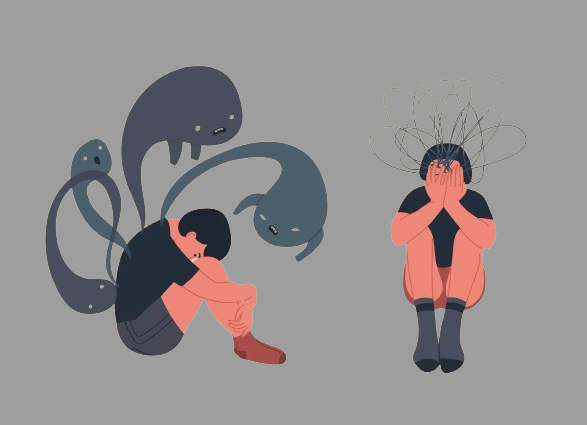
Non-epileptic fainting or blackouts are far more common than many people realize. People who experience these episodes often describe a sudden loss of awareness, a feeling of disconnect from the world, or collapsing unexpectedly—sometimes without warning. These events can be extremely frightening, especially when they happen repeatedly or without an obvious medical cause.

Many individuals who experience non-epileptic blackouts worry that they may have epilepsy. But in reality, non-epileptic fainting episodes are usually caused by physiological factors, emotional stress, trauma-related responses, blood pressure changes, or psychological conditions such as psychogenic non-epileptic seizures (PNES).
Understanding what these episodes are, why they happen, and how they feel can help reduce fear and improve management. This guide explains the condition in a deeply informative yet simple, user-friendly way so readers can understand their symptoms, identify potential triggers, and make informed decisions about treatment.
What Are Non-Epileptic Fainting or Blackouts?
Non-epileptic fainting refers to a sudden loss of awareness or consciousness that does not involve abnormal electrical activity in the brain. Unlike epileptic seizures—which originate from disruptions in the brain’s electrical pathways—non-epileptic blackouts are caused by other mechanisms such as:
- A temporary drop in blood pressure
- Reduced blood flow to the brain
- Emotional overwhelm
- Trauma responses
- Psychogenic non-epileptic seizures (PNES)
- Vasovagal attacks
- Cardiac arrhythmias
- Metabolic imbalances
The key idea is that the brain is not malfunctioning electrically. Instead, the body temporarily fails to maintain consciousness or awareness due to physical or psychological conditions.
Non-epileptic fainting episodes can be:
- Brief, lasting only seconds
- Prolonged, lasting minutes
- Recurrent, happening multiple times a week or month
- Triggered, by stress or other factors
- Spontaneous, with no clear warning
Some people experience only one episode in their lifetime, while others have chronic, recurring blackouts that require careful diagnosis and long-term management.
Do You Lose Consciousness During a Non-Epileptic Seizure?
The short answer is sometimes yes, sometimes no, depending on the type of non-epileptic event.
When Consciousness Is Lost
In many forms of non-epileptic fainting—such as vasovagal syncope—the person does lose consciousness briefly. The brain receives insufficient blood flow or oxygen, leading to a sudden collapse or blackout lasting seconds or minutes.
In psychogenic non-epileptic seizures (PNES), the person may also appear to lose consciousness or become unresponsive. However, this is not a true neurological blackout. Instead, it is a dissociative event, meaning the mind disconnects from awareness due to emotional overwhelm or past trauma.
When Consciousness Is Preserved
Some non-epileptic seizures do not include loss of consciousness. Instead, the person may:
- Feel frozen or stuck
- Be unable to respond
- Hear people but feel disconnected
- Appear conscious but emotionally shut down
- Experience partial dissociation
In these cases, people are aware but unable to control their bodies or speech.
A key difference from epileptic seizures
People with epileptic seizures almost always lose consciousness during generalized events. In non-epileptic seizures, however, consciousness varies widely.
This is why proper diagnosis is important—different causes require different treatments.
What Happens When You Blackout for No Reason?
Blacking out “for no reason” often feels scary, but there is always a reason behind it—though it may not be obvious without medical evaluation.
Here’s what typically happens inside the body and mind:
1. A Physical or Emotional Trigger Occurs
This could be something as small as:
- Standing up too quickly
- Dehydration
- Sudden pain
- Heat exposure
- Strong emotions
- Anxiety
- Trauma reminders
Sometimes the trigger is internal, such as:
- A drop in blood pressure
- Irregular heartbeats
- Low blood sugar
2. The Brain Receives Less Oxygen or Disconnects
A blackout occurs when the brain either:
- Doesn’t receive enough blood/oxygen, or
- Disconnects due to stress or dissociation
This temporary disruption leads to the sensation of “blacking out.”
3. You Lose Awareness or Control
Depending on the cause, you may:
- Fall to the ground
- Become limp
- Freeze in place
- Stare blankly
- Shake or convulse (PNES)
- Be unresponsive to people around you
These symptoms may last seconds or minutes.
4. You Wake Up Confused or Exhausted
Most people regain consciousness gradually and report:
- Fatigue
- Dizziness
- Emotional overwhelm
- Weakness
- Feeling disoriented
- Head pressure
- Nausea
The confusion afterward can last a short time or several hours.
Why It Feels Like “No Reason”
When the root cause is not obvious—such as emotional triggers buried in the subconscious—it can feel completely random. However, medical assessments often uncover patterns or underlying conditions once the episodes are examined carefully.
What Does a Non-Epileptic Seizure Feel Like?
Non-epileptic seizures can feel very different from person to person. But common descriptions include:
Before the episode (prodrome)
Many people feel:
- Light-headed
- Overwhelmed
- Disconnected from their surroundings
- Dizzy or floating
- A sudden emotional wave
- Tingling sensations
- Vision narrowing
- Heart racing
Some describe it like “the world slipping away.”
During the episode
People may feel:
- Trapped inside their own body
- A sense of paralysis
- Shaking or trembling
- Loss of control
- Emotional numbness or panic
- A dreamlike state
- Being far away from the world
- Sensory overload or shutdown
Some feel nothing at all—a complete loss of awareness—while others feel everything but cannot communicate.
After the episode
Common feelings include:
- Deep exhaustion
- Brain fog
- Headache
- Body heaviness
- Muscle aches
- Confusion
- Shame or embarrassment
- Emotional “crash”
These post-episode symptoms can last minutes to hours.
What Triggers a Non-Epileptic Seizure?
Triggers vary widely based on the type of non-epileptic event.
Below are the most common categories.
1. Emotional Stress
A major trigger for many non-epileptic seizures, especially PNES, is emotional stress such as:
- Relationship conflicts
- Work or school pressure
- Sudden fear
- Emotional overload
When the brain becomes overwhelmed, it may “shut down” or disconnect, resulting in a non-epileptic episode.
2. Trauma and PTSD Triggers
People with past trauma may experience:
- Dissociation
- Blackouts
- PNES episodes
Triggers can include:
- Memories
- Reminders
- Arguments
- Certain people or situations
- Feelings similar to past trauma
The mind disconnects as a protective response.
3. Physical Triggers
Blackouts can also be caused by:
- Dehydration
- Standing up quickly
- Heat exposure
- Hunger
- Pain
- Fatigue
- Overexertion
These physical conditions reduce oxygen or blood flow to the brain.
4. Medical Conditions
Some medical causes include:
- Blood pressure instability
- Heart rhythm disorders
- Low blood sugar
- Anemia
- Migraines
- Metabolic imbalances
These conditions can mimic seizure symptoms.
5. Anxiety and Panic Attacks
Severe anxiety can cause:
- Hyperventilation
- Racing heart
- Dizziness or faintness
- Dissociation
This combination may lead to a blackout or seizure-like episode.
6. Sleep Deprivation
Lack of sleep can trigger:
- Non-epileptic seizures
- Dissociation
- Blackouts
- Emotional overload
The brain becomes more vulnerable to stress and dysregulation.
7. No Clear Trigger
Some individuals experience episodes without any recognizable cause. In such cases, diagnosis through:
- Neurological evaluation
- Cardiac testing
- Psychiatric assessment
- Video EEG monitoring
…can help identify hidden factors.
How Are Non-Epileptic Blackouts Diagnosed?
Proper diagnosis is essential because non-epileptic fainting is treated differently from epilepsy.
Common diagnostic steps include:
- EEG or video EEG monitoring
- Cardiac ECG or Holter monitor
- Tilt-table test
- Blood tests
- Neurological exam
- Psychological evaluation
The goal is to identify whether the cause is:
- Physical
- Psychological
- Cardiovascular
- Metabolic
- Trauma-related
This ensures the correct treatment plan.
How Are Non-Epileptic Fainting Episodes Treated?
Treatment depends entirely on the underlying cause.
If the cause is physical:
- Hydration
- Medication
- Blood pressure stabilization
- Heart regulation
- Treatment of anemia or metabolic issues
If the cause is psychological:
- Psychotherapy
- Cognitive Behavioral Therapy (CBT)
- Trauma-focused therapy
- Grounding techniques
- Stress reduction
- Emotion regulation skills
For PNES specifically:
- Psychotherapy is the main treatment
- Learning to identify triggers
- Improving emotional regulation
- Treating trauma, anxiety, or depression
Lifestyle adjustments:
- Adequate sleep
- Proper nutrition
- Avoiding triggers when possible
- Reducing stress
- Regular medical checkups
When Should You See a Doctor?
Seek medical attention if:
- Episodes happen repeatedly
- You lose consciousness frequently
- You experience convulsions
- You fall or injure yourself
- Episodes occur with chest pain
- You feel unexplained dizziness or heart palpitations
Even if the cause is psychological, medical evaluation is important to rule out physical conditions.
Conclusion
Non-epileptic fainting or blackouts can be confusing and frightening, especially when they seem to happen without warning. But understanding the mechanisms behind these episodes—whether physical, psychological, or trauma-related—can reduce fear and provide clarity.
While some people lose consciousness during non-epileptic seizures, others remain aware but disconnected. These events may involve dizziness, emotional overwhelm, dissociation, or a sudden drop in blood pressure.
The triggers range from stress and trauma to dehydration, pain, or heart rhythm disturbances. Proper diagnosis and treatment can dramatically improve symptoms and reduce the frequency of episodes.
With accurate information, supportive care, and the right therapeutic or medical approach, most people can manage non-epileptic fainting effectively and regain a sense of control over their health and daily lives.