Moral injury is a deep psychological wound that occurs when a person believes they have violated their own moral or ethical values. Unlike typical stress or trauma, moral injury is rooted in guilt, shame, and inner conflict, often leaving individuals stuck in cycles of regret and self-blame.

It can happen to anyone—not just soldiers or professionals—but also in everyday life situations where a person feels they have done something wrong or failed to act when they should have.
What is Moral Injury in Psychology?
In psychology, moral injury refers to the emotional and mental distress caused by actions (or inactions) that conflict with one’s core values.
Key Elements:
- Deep guilt or shame
- Feeling like a “bad person”
- Inner moral conflict
- Loss of self-trust
It is often linked with moral trauma and ethical trauma, where a person struggles to reconcile their behavior with their beliefs.
Moral Injury vs PTSD: What’s the Difference?
Although they can overlap, moral injury and PTSD are not the same.
Moral Injury
- Focuses on guilt and shame
- Related to moral or ethical conflict
PTSD
- Based on fear and threat
- Triggered by traumatic events
👉 Many people experience both, especially when trauma involves moral decisions.
What Causes Moral Injury?
Understanding the causes helps in healing.
1. Actions That Violate Personal Values
- Hurting someone emotionally
- Making a decision you regret
2. Failure to Act
- Not helping someone in need
- Staying silent in important moments
3. Witnessing Wrongdoing
- Seeing injustice but feeling powerless
4. External Pressure
- Forced decisions under stress or authority
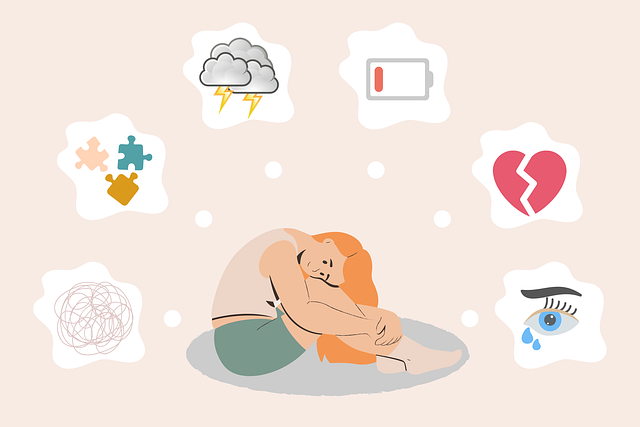
Signs and Symptoms of Moral Injury
Emotional Symptoms
- Intense guilt and shame
- Regret and sadness
- Feeling unworthy
Cognitive Symptoms
- Constant overthinking
- “I am a bad person” thoughts
- Intrusive memories
Behavioral Symptoms
- Isolation
- Avoidance of people or situations
- Self-punishing behaviors
The Psychology of Guilt and Shame
At the core of moral injury are two powerful emotions:
Guilt
- “I did something wrong”
Shame
- “I am something wrong”
👉 Shame is more damaging because it attacks identity, not just behavior.
How Moral Injury Affects Mental Health
Moral injury can lead to:
- Depression
- Anxiety
- Low self-esteem
- Emotional numbness
It can also damage:
- Relationships
- Career performance
- Spiritual well-being
Moral Injury in Everyday Life
Moral injury is not limited to extreme situations.
Common Examples:
- Hurting someone in a relationship
- Making a decision that goes against your values
- Regretting past actions
Moral Injury in Different Groups
Healthcare Workers
- Making life-and-death decisions
Soldiers
- Combat-related ethical dilemmas
Everyday Individuals
- Personal mistakes and regrets
Can Moral Injury Be Treated?
Yes—moral injury is treatable and manageable.
Healing focuses on:
- Processing emotions
- Rebuilding self-worth
- Finding meaning
Therapy for Moral Injury
1. Cognitive Behavioral Therapy (CBT)
- Challenges negative thoughts
- Reduces self-blame
2. Trauma Therapy
- Helps process emotional pain
3. Compassion-Focused Therapy
- Builds self-forgiveness
How to Heal from Moral Injury
1. Acknowledge What Happened
- Accept reality without denial
2. Practice Self-Forgiveness
- Understand you are human
3. Rebuild Your Values
- Align actions with beliefs moving forward
4. Talk to Someone
- Therapy or trusted support
Practical Coping Strategies
- Journaling your thoughts
- Mindfulness and meditation
- Limiting negative self-talk
- Focusing on personal growth
When to Seek Professional Help
Seek help if:
- Guilt feels overwhelming
- Thoughts are persistent
- It affects daily life
Is Moral Injury a Mental Disorder?
Moral injury is not officially classified as a disorder, but it is a serious psychological condition that deserves attention and care.
Final Thoughts
Moral injury can feel heavy and isolating, but it does not define who you are. It is a sign that you have strong values and a conscience—and that is not a weakness.
Healing is possible.
You are not your past
Growth is always possible
You deserve peace
If you’re struggling with guilt or shame, seeking professional help can guide you toward emotional healing and self-acceptance.