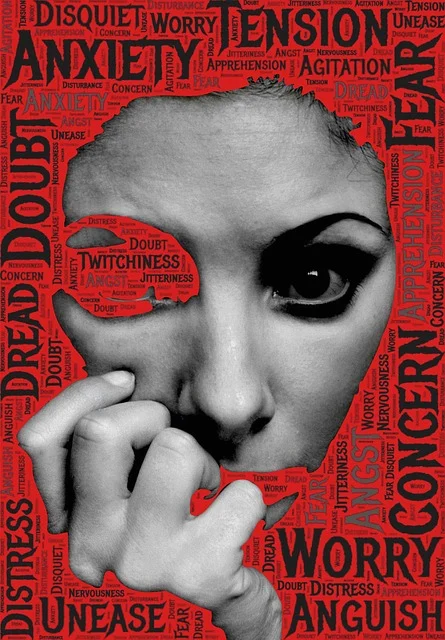
Living with bipolar disorder can feel overwhelming—especially when symptoms swing between intense emotional highs and deep, exhausting lows. Understanding manic bipolar depression treatment is one of the most important steps toward long-term stability, better quality of life, and emotional balance.
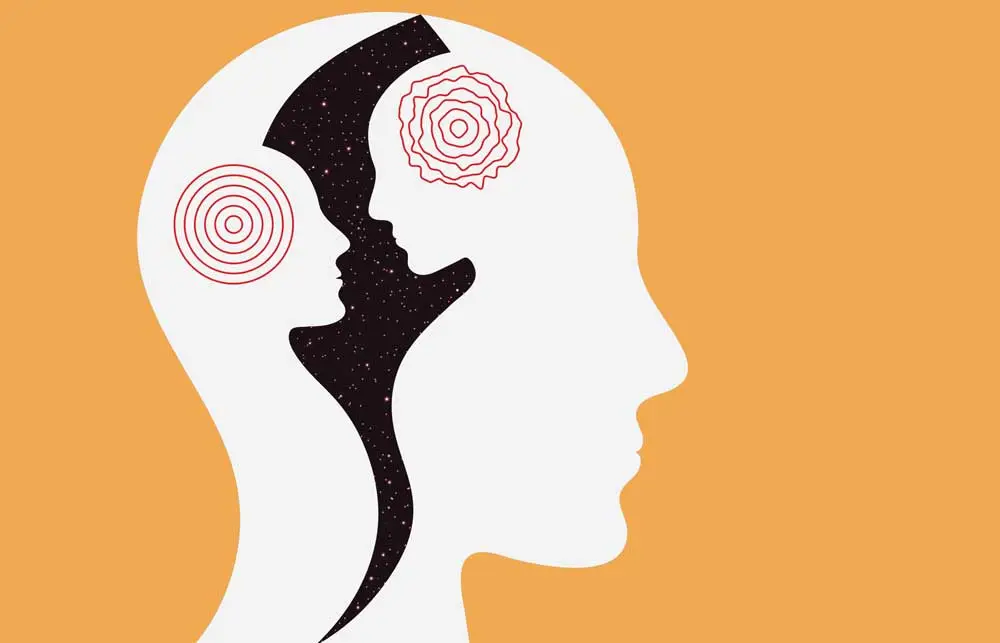
This guide explains how manic bipolar depression is treated, how long episodes can last, how to manage symptoms day to day, and how lifestyle choices—especially diet—can support recovery. Whether you are newly diagnosed, supporting a loved one, or seeking clarity, this article is written to inform, empower, and reassure.
Understanding Manic Bipolar Depression
Bipolar disorder is a mood disorder characterized by alternating episodes of mania (or hypomania) and depression. When people refer to “manic depression,” they are typically describing bipolar disorder, particularly the depressive episodes that follow or alternate with manic states.
What Makes Bipolar Depression Different?
Unlike unipolar depression, bipolar depression:
- Often occurs after or between manic episodes
- Can be more resistant to standard antidepressants
- Carries a higher risk of mood instability if treated incorrectly
- Requires carefully balanced treatment
This is why manic bipolar depression treatment must be approached differently from typical depression care.
What Is the Best Treatment for Bipolar Depression?
There is no single “best” treatment that works for everyone. The most effective manic bipolar depression treatment usually involves a combination approach tailored to the individual.
1. Medication as the Foundation of Treatment
Medication is often essential for stabilizing mood and preventing extreme shifts.
Common Medication Categories
Mood Stabilizers
- Help prevent manic and depressive episodes
- Often used long-term
- Reduce mood cycling
Atypical Antipsychotics
- Can treat both manic and depressive symptoms
- Often used when mood stabilizers alone are not enough
Antidepressants (Used Carefully)
- Rarely used alone
- Typically combined with mood stabilizers to prevent mania
Medication choices are highly individualized and must be monitored closely.
2. Psychotherapy: A Critical Part of Recovery
Medication treats symptoms, but therapy addresses patterns, behaviors, and emotional coping.
Effective Therapy Types
Cognitive Behavioral Therapy (CBT)
- Helps identify negative thought patterns
- Teaches emotional regulation strategies
Interpersonal and Social Rhythm Therapy (IPSRT)
- Focuses on sleep, routine, and daily structure
- Particularly effective for bipolar disorder
Psychoeducation
- Teaches how bipolar disorder works
- Helps recognize early warning signs
Family-Focused Therapy
- Improves communication
- Reduces relapse risk
3. Long-Term Treatment Planning
Manic bipolar depression treatment is not short-term. Long-term success depends on:
- Consistent follow-ups
- Medication adherence
- Lifestyle stability
- Early intervention when symptoms reappear
How to Deal With Manic Depression?
Managing manic depression involves both medical care and daily self-management.
Managing Depressive Episodes
During bipolar depression, individuals may experience:
- Extreme fatigue
- Hopelessness
- Loss of interest
- Slowed thinking
- Suicidal thoughts
Helpful Strategies
- Maintain a daily routine, even when motivation is low
- Break tasks into small, achievable steps
- Avoid isolation—gentle social contact matters
- Keep sleep and meal times consistent
Managing Manic or Hypomanic Episodes
Mania may include:
- Reduced need for sleep
- Racing thoughts
- Impulsivity
- Increased risk-taking
- Irritability or agitation
Helpful Strategies
- Reduce stimulation (screens, caffeine, late nights)
- Stick to regular sleep hours
- Avoid major decisions
- Alert a healthcare provider early
Early intervention can prevent a full manic episode.
Emotional Self-Regulation Skills
Learning to manage emotional intensity is key in manic bipolar depression treatment:
- Mindfulness techniques
- Grounding exercises
- Mood tracking apps or journals
- Stress-reduction practices
How Long Does Bipolar Depression Last?
The duration of bipolar depression varies widely.
Typical Duration
- Depressive episodes may last weeks to several months
- Some individuals experience longer episodes without treatment
- Early treatment significantly shortens duration
Factors That Influence Duration
- Treatment adherence
- Stress levels
- Sleep quality
- Substance use
- Co-existing anxiety disorders
Why Bipolar Depression Often Lasts Longer Than Mania
Manic episodes are more noticeable and often treated quickly, while depression:
- Can be mistaken for burnout or sadness
- May be under-treated
- Often develops gradually
This makes proper manic bipolar depression treatment essential.
Warning Signs of an Approaching Depressive Episode
Recognizing early signs allows faster intervention:
- Sleep changes
- Withdrawal from social activities
- Loss of motivation
- Negative thinking patterns
- Increased sensitivity or irritability
Early treatment reduces severity and duration.
What Is the Best Diet for Bipolar Disorder?
While diet alone cannot treat bipolar disorder, nutrition plays a supportive role in mood stability.
How Diet Affects Mood Regulation
The brain relies on:
- Stable blood sugar
- Healthy fats
- Adequate micronutrients
- Gut-brain balance
Poor nutrition can worsen mood swings and fatigue.
Foods That Support Brain Health
Omega-3 Fatty Acids
- Found in fatty fish, flaxseed, walnuts
- Linked to improved mood stability
Complex Carbohydrates
- Whole grains, vegetables
- Support steady energy levels
Lean Proteins
- Help neurotransmitter production
- Support emotional regulation
Fruits and Vegetables
- Provide antioxidants and micronutrients
Foods to Limit or Avoid
- Excess sugar (can worsen mood swings)
- Highly processed foods
- Excess caffeine (may trigger mania)
- Alcohol (disrupts sleep and medication effectiveness)
Hydration and Meal Timing
Regular meals and hydration support:
- Medication absorption
- Energy stability
- Sleep patterns
Routine is especially important in manic bipolar depression treatment.
Lifestyle Factors That Improve Treatment Outcomes
Medication and therapy work best when combined with healthy routines.
Sleep: The Cornerstone of Stability
Sleep disruption is one of the strongest triggers for mood episodes.
- Aim for consistent bedtime and wake time
- Avoid late-night stimulation
- Treat insomnia early
Exercise and Movement
Regular, moderate exercise:
- Reduces depressive symptoms
- Improves sleep quality
- Enhances emotional resilience
Avoid extreme exercise during manic phases.
Stress Management
Chronic stress increases relapse risk.
Helpful practices include:
- Breathing exercises
- Yoga or gentle stretching
- Time management strategies
- Limiting overstimulation
The Role of Social Support in Recovery
Bipolar disorder is not meant to be managed alone.
Why Support Matters
- Reduces isolation
- Encourages treatment adherence
- Provides early warning feedback
Support can come from:
- Family and friends
- Support groups
- Mental health professionals
Common Myths About Manic Bipolar Depression Treatment
“You Can Treat It With Willpower Alone”
False. Bipolar disorder is a biological condition that requires medical care.
“Medication Changes Who You Are”
Effective treatment aims to restore balance—not erase personality.
“Once You Feel Better, You Can Stop Treatment”
Stopping treatment often leads to relapse.
Relapse Prevention Strategies
Long-term manic bipolar depression treatment focuses on prevention, not just symptom relief.
Key Prevention Tools
- Mood tracking
- Routine maintenance
- Early symptom recognition
- Regular medical follow-ups
- Avoiding substance use
When to Seek Immediate Help
Seek urgent professional support if there are:
- Thoughts of self-harm or suicide
- Severe mania with risky behavior
- Psychotic symptoms
- Complete inability to function
Early help saves lives.
Living a Full Life With Bipolar Disorder
With proper manic bipolar depression treatment:
- Many people achieve long-term stability
- Careers, relationships, and goals are possible
- Episodes become less frequent and less severe
Recovery is not about perfection—it’s about progress, support, and consistency.
Frequently Asked Questions
Is manic bipolar depression treatment lifelong?
Often yes, though treatment may change over time.
Can bipolar depression go away completely?
Symptoms can go into remission with proper care.
Is therapy necessary if I take medication?
Yes. Therapy improves long-term outcomes.
Can lifestyle changes replace medication?
No, but they significantly enhance treatment effectiveness.
Final Thoughts: Hope, Balance, and Recovery
Manic bipolar depression treatment is not about controlling emotions—it’s about restoring balance, protecting mental health, and creating a stable foundation for life. With the right combination of medical care, therapy, lifestyle support, and understanding, people with bipolar disorder can lead meaningful, fulfilling lives.
If you or someone you love is struggling, reaching out for professional help is not a weakness—it is a powerful step toward healing.