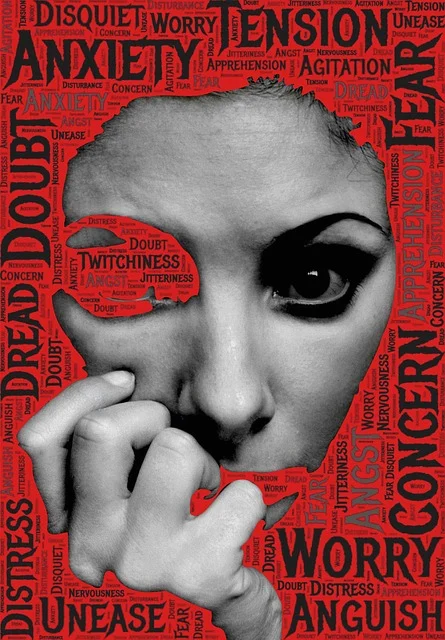
Many people live with constant fear that something is seriously wrong with their body — even when doctors say everything is normal. A mild headache feels like a brain tumor. A flutter in the chest feels like a heart attack. A stomach ache feels like cancer.
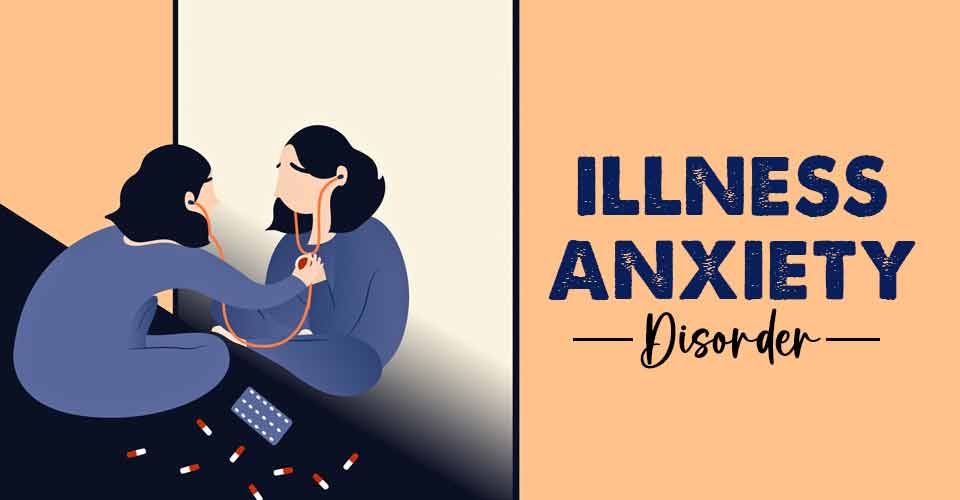
This condition is called Illness Anxiety Disorder (IAD) — and it is far more common than people realize.
It is not attention-seeking.
It is not weakness.
It is a nervous system disorder driven by fear.
What Is Illness Anxiety Disorder?
Illness Anxiety Disorder (IAD) is a mental health condition in which a person has intense fear of having or developing a serious illness, even when medical tests show no evidence of disease.
People with IAD:
- Constantly scan their body
- Misinterpret normal sensations
- Google symptoms compulsively
- Seek repeated medical tests
- Feel temporarily reassured, then panic again
The body becomes a danger zone.
Is IAD a Mental Illness?
Yes. IAD is a recognized mental health condition.
But it is not imaginary — it is neurological and psychological.
The brain’s threat detection system becomes hyperactive. The amygdala (fear center) sends danger signals even when there is no real medical threat.
Your brain is trying to protect you — it just overreacts.
What Is Illness Anxiety Disorder (DSM-5)?
According to the DSM-5, IAD includes:
- Preoccupation with having a serious illness
- Minimal or no physical symptoms
- Excessive health-related behaviors (checking, testing)
- Anxiety lasting 6 months or more
- Reassurance does not reduce fear
Doctors diagnose IAD when fear is out of proportion to medical reality.
What Are the Symptoms of IAD?
IAD symptoms are both mental and physical.
Mental Symptoms
- Constant worry about illness
- Fear of dying
- Googling symptoms
- Replaying medical fears
- Obsessive body monitoring
Physical Sensations
- Heart racing
- Chest tightness
- Nausea
- Dizziness
- Fatigue
- Muscle tension
- Tingling
- Headaches
These sensations come from anxiety, not disease — but they feel completely real.
Why Your Body Feels Sick When You’re Not
IAD keeps your nervous system in fight-or-flight mode.
This releases:
- Adrenaline
- Cortisol
- Stress hormones
These chemicals cause:
- Rapid heartbeat
- Digestive problems
- Shallow breathing
- Weakness
- Pain
The body feels ill because it is under threat, not because it is damaged.
What Is the Difference Between OCD and IAD?
Both involve obsessive fear — but they focus on different things.
| OCD | IAD |
|---|---|
| Fear of contamination, harm, mistakes | Fear of illness |
| Rituals like washing, checking | Body checking, googling |
| Thoughts are intrusive | Thoughts are illness-focused |
| Compulsions relieve anxiety briefly | Medical reassurance relieves anxiety briefly |
IAD is sometimes called health-focused OCD, but it is its own condition.
Why Reassurance Does Not Work
Doctors give reassurance.
You feel calm — for a moment.
Then fear returns.
This happens because reassurance teaches the brain:
“This was dangerous enough to check.”
The brain checks again.
Healing comes from breaking the fear-checking cycle.
How IAD Develops
IAD often begins after:
- Illness
- Trauma
- A loved one getting sick
- High stress
- Panic attacks
The brain learns:
“The body is dangerous.”
That belief creates lifelong fear — unless it is rewired.
Treatment for Illness Anxiety Disorder
Best treatments:
- Cognitive Behavioral Therapy (CBT)
- Exposure therapy
- Nervous system regulation
- Reducing reassurance seeking
- Mindfulness and somatic therapy
Medication may help some people, but retraining the brain is key.
Can IAD Be Cured?
Yes.
When the brain learns that the body is safe, symptoms fade.
Thousands of people recover when they:
- Stop checking symptoms
- Stop Googling
- Reduce medical visits
- Calm the nervous system
- Face fears gradually
Your body is not broken —
Your alarm system is.
FAQ
Q: Is illness anxiety disorder real?
Yes. It is a recognized mental health condition involving fear-based nervous system dysregulation.
Q: Can IAD cause physical symptoms?
Yes. Anxiety creates real physical sensations through stress hormones.
Q: Does IAD ever go away?
Yes. With proper treatment, people recover fully.
Q: How do I know it’s not a real illness?
Doctors rule out disease. The fear remains — that’s IAD.