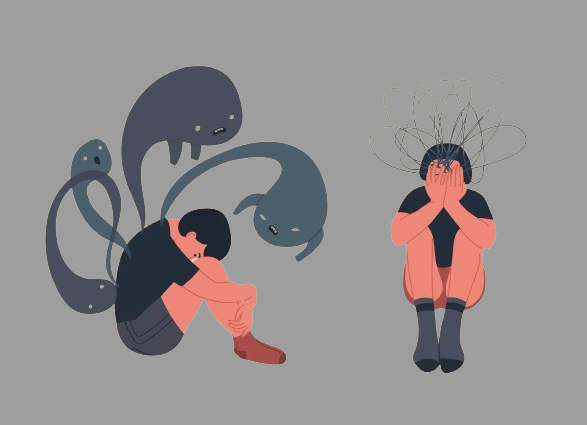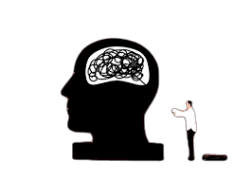
Hypervigilance is more than being cautious or anxious. It is a persistent state of heightened alertness where the mind and body are constantly scanning for danger—even when no real threat is present. People experiencing hypervigilance often describe feeling on edge, tense, easily startled, and unable to fully relax, as if something bad could happen at any moment.

For many, hypervigilance is not a personality trait or a choice. It is a learned survival response, deeply rooted in the nervous system, often shaped by trauma, chronic stress, or prolonged exposure to unsafe environments.
What Is Hypervigilance?
Hypervigilance is a state of constant threat monitoring driven by the brain’s survival system. It occurs when the nervous system remains stuck in a fight-or-flight response, even in safe situations.
From a neurological perspective, hypervigilance involves:
- Overactivation of the amygdala (the brain’s threat detector)
- Reduced regulation from the prefrontal cortex
- Chronic activation of the sympathetic nervous system
In simple terms, the brain believes danger is everywhere, so the body stays ready to respond.
Why Hypervigilance Exists
Hypervigilance originally evolved to keep humans alive. In genuinely dangerous environments, heightened awareness improves survival. However, when trauma or prolonged stress trains the nervous system to expect threat all the time, hypervigilance becomes exhausting and disruptive.
What Is Hypervigilance a Symptom Of?
Hypervigilance rarely exists on its own. It is most often a symptom of deeper nervous system dysregulation.
Post-Traumatic Stress Disorder (PTSD)
Hypervigilance is a core symptom of PTSD. The brain remains stuck in survival mode after trauma, unable to recognize that the danger has passed.
Complex PTSD (C-PTSD)
Often linked to chronic or developmental trauma, C-PTSD hypervigilance can feel constant and pervasive, especially in relationships.
Childhood Trauma and Attachment Trauma
Growing up in unpredictable or unsafe environments teaches the nervous system to stay alert at all times.
Anxiety Disorders
While anxiety and hypervigilance overlap, hypervigilance is more body-based and trauma-driven.
Autism and Sensory Sensitivity
Some autistic individuals experience hypervigilance due to sensory overload and nervous system sensitivity, not trauma alone.
Chronic Stress and Burnout
Long-term stress can condition the nervous system into a hypervigilant state.
What Does PTSD Hypervigilance Look Like?
PTSD-related hypervigilance affects thoughts, emotions, behavior, and the body.
Everyday Examples
- Sitting with your back against the wall in public places
- Jumping at sudden noises
- Scanning faces for signs of anger or danger
- Feeling unsafe even in familiar environments
- Difficulty sleeping due to constant alertness
Emotional Experience
People with PTSD hypervigilance often feel:
- Chronically tense
- Easily overwhelmed
- Irritable or reactive
- Emotionally numb yet on edge
This is not overreaction—it is a brain that learned danger through experience.
Hypervigilance Symptoms
Physical Symptoms
- Muscle tension and jaw clenching
- Headaches or migraines
- Fatigue and exhaustion
- Shallow breathing
- Sleep disturbances
Emotional Symptoms
- Persistent fear or dread
- Irritability and anger
- Difficulty feeling joy
- Emotional shutdown
Cognitive Symptoms
- Racing or looping thoughts
- Constant “what if” thinking
- Difficulty concentrating
- Overinterpreting neutral cues as threats
Behavioral Symptoms
- Avoidance of people or places
- Over-preparing for worst-case scenarios
- Difficulty relaxing
- Hyper-awareness of surroundings
How Do You Fix Hypervigilance?
Healing hypervigilance is not about forcing yourself to calm down. It is about teaching the nervous system that safety is possible again.
1. Nervous System Regulation
- Slow, extended exhalation breathing
- Grounding through the senses
- Gentle movement (walking, stretching, yoga)
2. Somatic Practices
- Body-based awareness
- Tension release techniques
- Orienting exercises (noticing safety cues)
3. Trauma-Informed Therapy
Effective therapies include:
- EMDR (Eye Movement Desensitization and Reprocessing)
- Somatic Experiencing
- Internal Family Systems (IFS)
- Trauma-informed CBT
4. Lifestyle Support
- Consistent sleep routines
- Reduced caffeine and stimulants
- Predictable daily structure
- Safe, supportive relationships
5. Self-Compassion
Healing accelerates when the response is met with understanding rather than self-criticism.
What Is the Difference Between Hypervigilance and Anxiety?
| Hypervigilance | Anxiety |
|---|---|
| Trauma-based survival response | Future-oriented worry |
| Body-led reaction | Thought-led |
| Constant threat scanning | Situational worry |
| Rooted in past danger | Rooted in uncertainty |
Hypervigilance is not just anxiety. It is the nervous system’s memory of danger.
Hypervigilance and the Nervous System
Hypervigilance reflects dysregulation across:
- Fight (irritability, aggression)
- Flight (avoidance, restlessness)
- Freeze (shutdown, dissociation)
- Fawn (people-pleasing to stay safe)
Healing involves expanding the window of tolerance, where the body can experience stress without becoming overwhelmed.
How Long Does Hypervigilance Last?
There is no universal timeline. Factors influencing recovery include:
- Duration of trauma exposure
- Access to safe relationships
- Quality of therapeutic support
- Individual nervous system sensitivity
With proper support, hypervigilance can significantly reduce or resolve.
Can Hypervigilance Be Healed?
Yes. Through neuroplasticity, the brain can learn new patterns of safety. Healing does not mean never feeling alert again—it means choice, flexibility, and rest return.
Many people reach a point where:
- Their body relaxes naturally
- Sleep improves
- Emotional reactivity decreases
- Life feels more spacious
FAQs
Is hypervigilance a mental illness?
No. Hypervigilance is a nervous system response, often linked to trauma or stress, not a standalone mental illness.
Can hypervigilance go away on its own?
Mild hypervigilance may ease, but chronic hypervigilance usually requires intentional nervous system support.
Is hypervigilance always caused by trauma?
Often, but not always. Chronic stress, sensory sensitivity, and neurological factors can also contribute.
Why am I hypervigilant even when I’m safe?
Your nervous system learned danger in the past and hasn’t updated yet.
Can medication help hypervigilance?
Medication may help manage symptoms but works best alongside therapy and regulation practices.
Is hypervigilance the same as being paranoid?
No. Hypervigilance is based on past learned danger, not false beliefs.
Compassionate Disclaimer
This article is for educational purposes only and does not replace professional medical or mental health advice. If hypervigilance significantly impacts your life, seek support from a qualified mental health professional.
Final Takeaway
Hypervigilance is not weakness. It is evidence of a nervous system that once protected you well. With the right support, safety can be relearned, and rest can return.
You are not broken—you adapted. And adaptation can be healed.