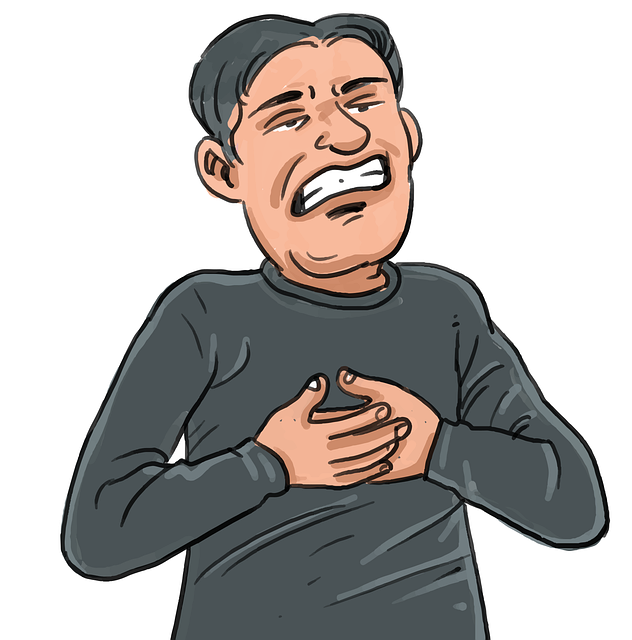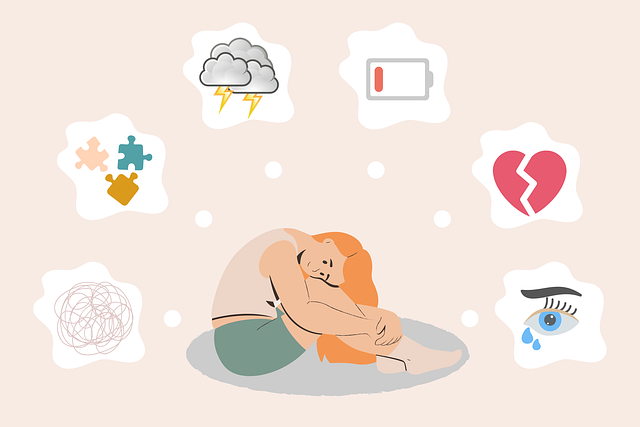
Many people think trauma only comes from extreme events. But the truth is, how trauma shows up in daily life is often subtle, quiet, and deeply personal.
You might not think of yourself as “traumatized.”
You may function well. Work hard. Maintain relationships.
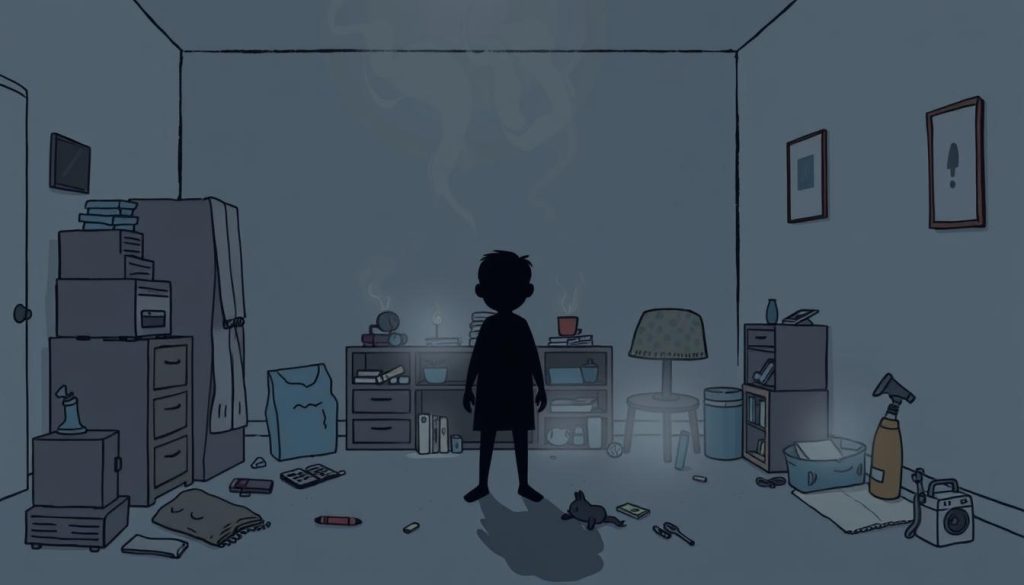
And yet…
- You overreact to small criticism.
- You shut down during conflict.
- feel constantly on edge.
- struggle to relax, even when things are safe.
These patterns are not personality flaws. They may be trauma responses.
What Trauma Actually Is (Beyond Extreme Events)
Trauma is not defined only by what happened to you.
It’s defined by what happened inside you as a result.
Trauma occurs when an experience overwhelms your ability to cope and leaves your nervous system stuck in survival mode.
There are two broad categories:
Big “T” Trauma
- Abuse
- Assault
- Serious accidents
- Natural disasters
- War
These experiences may contribute to conditions like Post-Traumatic Stress Disorder, described in the Diagnostic and Statistical Manual of Mental Disorders.
Little “t” Trauma
- Chronic criticism
- Emotional neglect
- Bullying
- Rejection
- Growing up in unstable environments
These experiences may not seem dramatic — but repeated emotional stress can deeply shape how you function.
How Does Trauma Show Up in Daily Life?
When we talk about how trauma shows up in daily life, we’re talking about patterns that quietly influence your thoughts, emotions, behaviors, and body.
Here are some of the most common ways:
1. Emotional Overreactions
You may:
- Feel intense shame after small mistakes
- Panic when someone seems upset
- Cry easily during conflict
- Feel anger that feels “too big” for the situation
Your brain may interpret neutral events as threats.
2. Relationship Patterns
Trauma can affect attachment and trust.
You might:
- Fear abandonment
- Avoid emotional closeness
- Become overly independent
- People-please to avoid rejection
- Struggle to set boundaries
If conflict feels unsafe, your nervous system may go into fight, flight, freeze, or fawn mode automatically.
3. Work and Achievement Issues
Trauma often drives:
- Perfectionism
- Fear of failure
- Overworking
- Burnout
- Difficulty receiving feedback
A simple performance review may feel like a survival threat.
4. Physical Symptoms
Trauma is stored in the body.
Common daily physical signs include:
- Chronic muscle tension
- Digestive problems
- Headaches
- Jaw clenching
- Fatigue
- Sleep disturbances
Your body may remain in a constant low-grade stress response.
5. Self-Sabotage Behaviors
You may:
- Avoid opportunities
- Procrastinate
- Push people away
- Choose emotionally unavailable partners
These are not signs of weakness — they are protective patterns formed in earlier environments.
What Are the Symptoms of Emotional Trauma?
Understanding emotional trauma symptoms helps you recognize patterns without self-blame.
Emotional Symptoms
- Anxiety
- Hypervigilance
- Mood swings
- Emotional numbness
- Shame
- Guilt
- Irritability
Cognitive Symptoms
- Negative self-talk
- Catastrophic thinking
- Intrusive memories
- Difficulty concentrating
Behavioral Symptoms
- Avoidance
- Isolation
- People-pleasing
- Conflict avoidance
- Substance use
- Overcontrol
Physical Symptoms
- Rapid heartbeat
- Digestive issues
- Muscle tightness
- Chronic fatigue
- Insomnia
These symptoms are your nervous system trying to protect you.
The Trauma Response System: Fight, Flight, Freeze, Fawn
Your body reacts to perceived danger through automatic survival responses.
Fight
- Anger
- Defensiveness
- Controlling behavior
Flight
- Anxiety
- Busyness
- Overworking
- Avoidance
Freeze
- Numbness
- Dissociation
- Shutdown
- Procrastination
Fawn
- People-pleasing
- Difficulty saying no
- Over-accommodating others
How trauma shows up in daily life often mirrors one dominant response style.
What Is a Real Life Example of Trauma?
Let’s look at relatable scenarios.
Example 1: The Perfectionist Employee
Sara grew up with critical parents. Now at work, minor feedback feels devastating. She works late every night to avoid mistakes. She believes her worth depends on performance.
This is how trauma shows up in daily life through perfectionism and fear of failure.
Example 2: The Conflict Avoider
Ahmed experienced emotional volatility in childhood. As an adult, he avoids difficult conversations in relationships. He shuts down when his partner expresses frustration.
This is a freeze response.
Example 3: The Hyper-Independent Partner
Maria learned early that asking for help led to disappointment. Now she refuses support and struggles with intimacy.
This is trauma-driven self-protection.
Trauma and the Nervous System
Trauma reshapes the brain’s threat detection system.
The amygdala becomes more sensitive.
The body releases stress hormones more easily.
The prefrontal cortex (rational thinking) becomes less active during stress.
Even years later, small triggers can activate survival responses.
Can Trauma Show Up Years Later?
Yes.
You may feel fine for years — until:
- A new relationship triggers vulnerability
- A stressful job activates old survival patterns
- Parenthood surfaces childhood wounds
- A life change reduces your distractions
Trauma does not operate on a schedule. It surfaces when the nervous system feels unsafe.
Trauma and Self-Worth
Many trauma survivors internalize harmful beliefs:
- “I’m not good enough.”
- “I’m too much.”
- “I don’t matter.”
- “I must earn love.”
These beliefs shape daily decisions and relationships.
Healing involves challenging these deeply embedded narratives.
Trauma and Physical Health
Chronic stress from unresolved trauma can contribute to:
- Digestive disorders
- Tension headaches
- Chronic pain
- Sleep disturbances
- Weakened immune response
The body carries what the mind suppresses.
How to Remove Trauma From the Body?
Trauma healing focuses on nervous system regulation and emotional processing.
1. Trauma-Focused Therapy
Approaches include:
- EMDR
- Trauma-focused CBT
- Somatic therapy
- Internal Family Systems
These therapies help reprocess stored trauma safely.
2. Nervous System Regulation
Daily practices include:
- Slow breathing
- Progressive muscle relaxation
- Cold water exposure
- Gentle stretching
- Mindfulness meditation
Regulation builds safety from the inside out.
3. Safe Relationships
Healing happens in connection.
Building trust slowly helps retrain the nervous system that closeness can be safe.
4. Body-Based Healing
Movement therapies such as:
- Yoga
- Walking
- Dance
- Trauma-informed exercise
Help release stored tension.
5. Lifestyle Foundations
- Consistent sleep
- Balanced nutrition
- Reduced caffeine
- Limited alcohol
- Regular routines
Stability supports nervous system recovery.
How Long Does Trauma Healing Take?
Healing is not linear.
Some improvements may happen quickly with therapy.
Deep patterns may take years to fully shift.
Progress often looks like:
- Faster recovery from triggers
- Reduced emotional intensity
- Increased self-awareness
- Healthier boundaries
Small changes matter.
Can Trauma Be Fully Healed?
Trauma may not disappear entirely — but its grip can loosen.
The goal is not to erase the past.
It’s to:
- Respond instead of react
- Feel safe in your body
- Build secure relationships
- Live without constant survival mode
Healing is possible.
Supporting Someone With Trauma
If someone you love is navigating trauma:
- Validate their feelings
- Avoid minimizing
- Encourage therapy gently
- Be patient with triggers
- Maintain consistency
Safety builds trust.
Final Thoughts: Your Trauma Responses Are Protective
When exploring how trauma shows up in daily life, it’s important to remember:
Your patterns were once survival tools.
Your nervous system adapted to protect you.
The problem is not that you developed coping strategies.
The problem is that they may no longer fit your current life.
Healing begins with awareness — not judgment.
If you recognize yourself in these patterns, you are not broken.
You adapted.
And with the right support, you can adapt again — toward safety, connection, and peace.