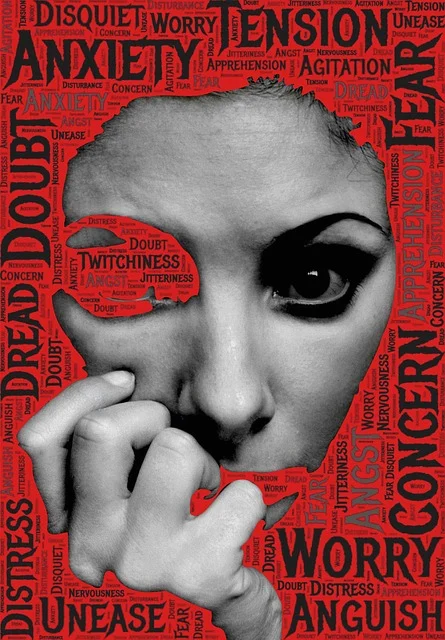
Dissociation can feel frightening, confusing, and isolating. One moment you may feel present and aware, and the next you feel detached from your body, your emotions, or even the world around you. Many people describe dissociation as feeling “far away,” “numb,” “foggy,” or “not real.” When dissociation hits suddenly, the most urgent question becomes:
How do I stop dissociation fast?
This guide is designed to help you understand what dissociation is, why it happens, how to stop it during an episode, and how to rebuild a strong connection with your body and reality afterward. Everything is written in a gentle, trauma-informed, and practical way so readers feel supported, not overwhelmed.

You will learn:
- How to treat severe dissociation
- What happens if dissociation becomes frequent
- How long dissociative episodes last
- How to reconnect after dissociation
- What triggers dissociation
- Emergency grounding tools to stop dissociation fast
- Daily practices to reduce dissociation over time
1. Introduction to Dissociation
Dissociation is a protective response of the nervous system. It happens when the brain perceives overwhelm, danger, or emotional threat and decides that the safest option is to disconnect rather than fight or flee.
Dissociation can feel like:
- Being “spaced out”
- Feeling unreal or detached from your body
- Emotional numbness
- Brain fog
- Time distortion
- Feeling like the world is distant
- Watching yourself from outside your body
People dissociate for many reasons, including:
- Trauma
- Chronic stress
- Panic attacks
- Emotional overwhelm
- Burnout
- Anxiety disorders
- PTSD and C-PTSD
There are mild forms of dissociation (daydreaming, zoning out) and severe forms (depersonalization, derealization, dissociative shutdown). All of them exist on the same nervous system spectrum.
Dissociation is not weakness. It is the body’s last-line survival strategy when everything feels too much.
People Also Ask – Dissociation
2. How to Treat Severe Dissociation?
Severe dissociation often requires a combination of:
- Immediate stabilization
- Ongoing nervous system regulation
- Trauma-informed care
- Lifestyle support
- Emotional safety building
There is no single “quick cure,” but there is a clear path toward recovery.
Immediate Treatment for Severe Dissociation
When dissociation is severe, the first goal is stabilization, not memory processing. That means:
✅ Learning grounding techniques
✅ Establishing safety in the body
✅ Reducing nervous system overload
✅ Improving sleep and nutrition
✅ Lowering ongoing stress
✅ Creating predictability in daily life
Dissociation cannot heal in constant chaos. The nervous system needs a sense of consistency and safety.
Long-Term Treatment Options
People with ongoing dissociation often benefit from:
- Trauma-informed therapy
- Somatic (body-based) approaches
- Grounding-focused stabilization
- Nervous system regulation training
- Emotional awareness development
Medication may be helpful for some people when dissociation is linked to severe anxiety, PTSD, or panic—but medication alone does not treat dissociation directly.
The foundation of treatment is always:
Safety + Presence + Regulation.
3. What Happens If You Dissociate Too Much?
Occasional dissociation is common and not harmful. But frequent or chronic dissociation can begin to interfere with daily life.
Here is what may happen if dissociation becomes a long-term pattern:
1. Emotional Disconnection
You may feel:
- Numb
- Detached
- Flat
- Unable to feel joy or sadness fully
This happens because dissociation suppresses emotions to protect you from overwhelm.
2. Memory Difficulties
Chronic dissociation can affect:
- Concentration
- Short-term memory
- Focus
- Time awareness
People may forget conversations, appointments, or what they were doing.
3. Identity Confusion
Some people feel:
- Disconnected from who they are
- Uncertain about their emotions
- Detached from personal values
This happens because dissociation interrupts emotional continuity.
4. Relationship Challenges
Dissociation can cause:
- Emotional distance
- Withdrawal
- Difficulty with intimacy
- Trouble expressing needs
Loved ones may feel confused when someone seems present one moment and disconnected the next.
5. Increased Anxiety and Fear
Ironically, dissociation meant to protect you can increase anxiety because:
- The sensation of “not being real” is frightening
- The person fears they are “losing control”
- The unpredictability of episodes increases worry
6. Nervous System Exhaustion
Chronic dissociation keeps the nervous system trapped in survival mode, which can lead to:
- Fatigue
- Burnout
- Emotional shutdown
- Sensitivity to stress
This is why learning how to stop dissociation fast and preventing long-term episodes is so important.
4. How Long Do Dissociative Episodes Last?
The length of dissociative episodes varies widely depending on the person, the trigger, and the nervous system state.
Short Episodes
Some episodes last:
- A few seconds
- A few minutes
- 10–30 minutes
These often happen during sudden stress, anxiety, or sensory overload.
Long Episodes
Other episodes may last:
- Several hours
- A full day
- Multiple days during burnout or trauma overload
In chronic conditions, dissociation can feel almost constant.
What Affects Episode Duration?
Dissociation may last longer when:
- There is high stress
- Triggers are repeated
- Sleep is poor
- There is emotional suppression
- There is lack of grounding
- The person feels unsafe
The more regulated and grounded the nervous system becomes, the shorter dissociative episodes tend to be.
5. How to Reconnect After Dissociation?
Coming out of dissociation can feel disorienting. Some people feel:
- Exhausted
- Confused
- Emotional
- Detached
- Vulnerable
Reconnection should be gentle, not forced.
Step 1: Reconnect With the Body
- Press your feet into the floor
- Stretch slowly
- Hold a warm object
- Feel the weight of your body
Physical sensation brings presence back.
Step 2: Reorient to the Present
Say quietly:
- Your name
- Your age
- Today’s date
- Where you are
This tells your brain: “I am here, now.”
Step 3: Regulate the Breath
Slow breathing helps reconnect mind and body:
- Inhale 4 seconds
- Exhale 6 seconds
- Repeat 8–10 times
Step 4: Emotional Reconnection
Ask gently:
- “What am I feeling right now?”
- “What does my body need?”
There is no rush to feel everything at once.
Step 5: Rest After an Episode
Dissociation is exhausting. After reconnecting:
- Rest
- Hydrate
- Eat something grounding
- Sit quietly
- Avoid overstimulation
Recovery is part of healing.
6. What Triggers Dissociation?
Dissociation is triggered by overwhelm, not just danger.
Common triggers include:
1. Emotional Overwhelm
- Intense sadness
- Shame
- Fear
- Anger
- Helplessness
The nervous system disconnects to avoid being flooded.
2. Trauma Reminders
- Certain voices
- Conflict
- Being judged
- Feeling trapped
- Power imbalance
- Lack of control
3. Chronic Stress
Long-term stress gradually pushes the nervous system into shutdown mode.
4. Sensory Overload
- Loud noise
- Crowded places
- Bright lights
- Too much stimulation
5. Exhaustion
When the body is depleted, dissociation becomes easier to trigger.
6. Panic Attacks
Some people dissociate during or after panic attacks as a protective response.
Dissociation is not random. It always happens for a reason—even if that reason feels hidden.
7. How to Stop Dissociation Fast (Emergency Grounding Toolkit)
When dissociation starts, the goal is to bring the nervous system back into the body and the present moment as quickly as possible.
Below is a powerful emergency toolkit you can use anywhere.
1. Temperature Shock
- Splash cold water on your face
- Hold something cold
- Step into a cooler room
Cold sensation sends an immediate “wake-up” signal to the brain.
2. Strong Sensory Grounding
Use any one of the five senses:
- Smell something strong
- Taste a mint or sour candy
- Touch something textured
- Listen to loud sound
- Look for five specific objects
Sensory input re-anchors awareness.
3. Physical Movement
- Stand up
- Walk
- Stretch
- Stomp your feet
- Shake your hands
Movement activates the body out of shutdown.
4. Grounding Self-Talk
Say out loud:
- “I am safe right now.”
- “This is dissociation.”
- “It will pass.”
- “I am here.”
The voice helps reinstall reality.
5. Breath Control
If your breath is shallow:
- Inhale through the nose
- Exhale slowly through the mouth
- Make the exhale longer than the inhale
Breathing directly controls the nervous system.
6. Body Pressure
- Hug a pillow
- Wrap in a blanket
- Press hands firmly together
- Sit against a wall
Pressure tells the body it is contained and safe.
7. Name Objects in the Room
Name:
- 5 things you see
- 4 things you feel
- 3 sounds
- 2 smells
- 1 taste
This forces attention into reality.
Stopping dissociation fast is not about fighting it—it’s about re-orienting your nervous system to safety.
8. Daily Practices to Reduce Dissociation
The more regulated your nervous system becomes daily, the less often dissociation will occur.
1. Nervous System Regulation
Daily calming activities:
- Gentle movement
- Warm showers
- Slow breathing
- Quiet time
- Reduced overstimulation
2. Rhythm and Routine
Predictability lowers survival responses:
- Regular sleep schedule
- Consistent meals
- Stable daily routine
3. Body-Based Practices
- Yoga
- Stretching
- Walking
- Somatic exercises
They teach the body it is safe to stay present.
4. Emotional Awareness
Learning to recognize emotions early prevents overwhelm buildup.
Ask:
- “What am I feeling right now?”
- “What do I need?”
5. Healthy Boundaries
Overexposure to:
- Toxic environments
- Emotional pressure
- Constant responsibility
Can maintain dissociation. Boundaries protect regulation.
6. Nourishment and Hydration
Low blood sugar and dehydration can worsen dissociation.
7. Supportive Relationships
Feeling emotionally safe with others strengthens nervous system stability.
8. Trauma-Informed Therapy
Professional support helps:
- Process stored stress safely
- Teach regulation tools
- Reduce long-term dissociation patterns
9. Dissociation vs Panic vs Freeze Response
These states can feel similar but are different survival responses:
| Panic | Dissociation | Freeze |
|---|---|---|
| High arousal | Shutdown or detachment | Stuck, immobilized |
| Racing heart | Numb, unreal | Frozen with fear |
| Fear dominant | Disconnection dominant | Threat perception |
| “I’m dying” | “I’m not here” | “I can’t move” |
Some people shift between all three.
10. When to Seek Professional Support
You should strongly consider professional support if:
- Dissociation happens daily
- You lose time or memory
- You feel disconnected most of the day
- You fear losing control
- You have trauma history
- You experience depersonalization or derealization
- You also have panic attacks
- Dissociation disrupts work or relationships
Therapy provides:
- Stabilization
- Regulation training
- Emotional safety
- Trauma processing at a tolerable pace
You deserve support. You do not have to manage dissociation alone.
11. Final Thoughts
Dissociation is not your enemy. It is a survival response that once protected you during overwhelm. But you no longer need to live disconnected from your body, emotions, or reality to survive.
Learning how to stop dissociation fast gives you:
- Control
- Safety
- Choice
- Presence
- Emotional return
Healing happens not through force—but through:
- Regulation
- Safety
- Compassion
- Gentle reconnection
Your nervous system is not broken. It learned to protect you. Now it is learning how to feel safe again.