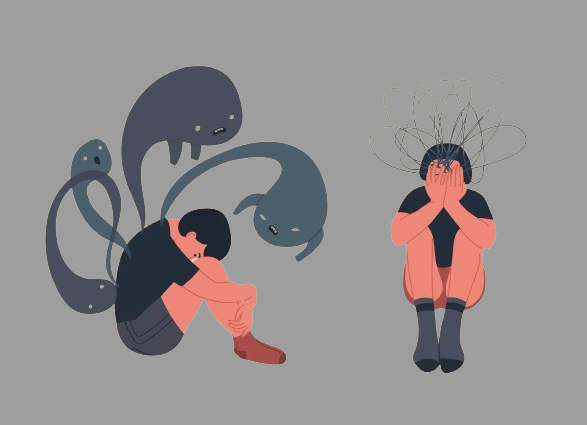
Feeling emotionally distressed for no clear reason can be frightening, isolating, and deeply confusing. You may wake up with a heavy emotional weight, experience sudden sadness, irritability, fear, or emotional numbness, yet find no obvious explanation. When life appears “fine” on the outside, unexplained emotional distress can lead to self-doubt, guilt, and fear of losing control.

Many people assume emotional distress must always be linked to depression, trauma, or a major life event. In reality, emotional distress without an obvious reason is far more common than most realize and does not automatically mean something is “wrong” with you.
What Is Emotional Distress?
Emotional distress is a state of psychological suffering that affects how you think, feel, and function. It may involve intense emotions, emotional instability, or a sense of internal unease that disrupts daily life.
Unlike clinical depression, emotional distress:
- May come and go
- Often lacks a clear trigger
- Can occur even when life circumstances seem stable
- Does not always include persistent sadness
Emotional distress exists on a spectrum—from mild emotional discomfort to overwhelming psychological strain.
What Is Emotional Distress in Psychology?
In psychology, emotional distress is understood as a dysregulated emotional response to internal or external stressors, even when those stressors are not consciously recognized.
Psychologists associate emotional distress with:
- Stress-response system overload
- Nervous system dysregulation
- Accumulated emotional suppression
- Unprocessed experiences or emotions
- Cognitive-emotional imbalance
Importantly, the brain does not require a current threat to activate distress. Past experiences, chronic stress, or subconscious emotional processing can all trigger distress without conscious awareness.
Is It Normal to Feel Emotional for No Reason?
Yes—it is completely normal to feel emotional without a clear reason.
Human emotions are influenced by:
- Brain chemistry
- Hormonal fluctuations
- Sleep quality
- Nervous system state
- Past emotional experiences
- Chronic stress accumulation
Your brain and body process far more information than your conscious mind can track. Emotional distress often signals that something internal needs attention, not that something is wrong with you.
Feeling emotional without a reason does not mean:
- You are weak
- You are “crazy”
- You are developing a mental illness
- Your feelings are invalid
It means your nervous system is communicating in the only language it has—emotion.
What Are the Symptoms of Emotional Damage?
Emotional damage refers to the lingering effects of prolonged emotional strain, stress, or invalidation. These symptoms may occur even without trauma or depression.
Common Emotional Symptoms
- Sudden sadness or tearfulness
- Emotional numbness or emptiness
- Irritability or anger without cause
- Feeling overwhelmed easily
- Emotional sensitivity
- Fear or unease without danger
- Loss of emotional resilience
Cognitive Symptoms
- Racing thoughts
- Overthinking
- Difficulty concentrating
- Negative self-talk
- Feeling detached from reality
Physical Symptoms Linked to Emotional Distress
- Fatigue or low energy
- Tight chest or shortness of breath
- Headaches or muscle tension
- Digestive issues
- Sleep disturbances
- Increased heart rate
These symptoms are real physiological responses, not imagined ones.
What Causes Psychological Distress?
Psychological distress rarely comes from a single cause. It usually develops from multiple overlapping factors.
1. Chronic Stress Accumulation
Long-term stress—even low-level daily stress—can overwhelm the nervous system over time.
2. Emotional Suppression
Suppressing emotions like anger, sadness, or fear trains the brain to store emotional energy rather than release it.
3. Nervous System Dysregulation
When the nervous system stays in fight-or-flight mode too long, emotional distress becomes the body’s default state.
4. Burnout
Emotional burnout doesn’t only come from work—it can come from caregiving, emotional labor, or constant responsibility.
5. Unprocessed Life Experiences
Events that were emotionally significant but never processed can resurface as unexplained distress.
6. Hormonal and Biological Factors
Changes in cortisol, serotonin, dopamine, or estrogen can strongly affect emotional stability.
Emotional Distress Without Depression
Many people confuse emotional distress with depression, but they are not the same.
Emotional Distress:
- Emotions fluctuate
- Hope is still present
- Functioning may be impaired but not lost
- Emotional pain feels situational or internal
Depression:
- Persistent low mood
- Loss of interest or pleasure
- Hopelessness
- Significant functional impairment
You can experience emotional distress without being depressed.
Emotional Distress vs Anxiety
Although they overlap, emotional distress and anxiety differ.
Emotional Distress
- Broad emotional discomfort
- Emotional overwhelm
- May include sadness, numbness, or irritability
Anxiety
- Fear-based
- Future-focused worry
- Physical tension and alertness
Many people experience emotional distress without anxiety symptoms.
Why Emotional Distress Feels So Intense
Emotional distress often feels overwhelming because:
- The brain seeks reasons but finds none
- Emotional pain lacks visible validation
- Society expects constant emotional control
- People fear emotional vulnerability
When distress is unexplained, the mind tries to “solve” it, increasing mental strain.
Coping With Emotional Distress Without Medication
Not everyone needs medication for emotional distress. Many people benefit from nervous-system-based coping strategies.
Grounding Techniques
- Slow breathing
- Sensory awareness (5-4-3-2-1 method)
- Gentle movement
Emotional Regulation Skills
- Naming emotions without judgment
- Journaling emotional experiences
- Allowing emotions without fixing them
Lifestyle-Based Support
- Consistent sleep routines
- Balanced nutrition
- Reduced caffeine and alcohol
- Regular physical activity
Nervous System Reset Practices
- Vagus nerve exercises
- Cold exposure (gentle)
- Mindfulness-based body awareness
How to Reduce Emotional Distress Naturally
- Practice self-compassion
- Reduce overstimulation (screens, noise)
- Set emotional boundaries
- Normalize emotional rest
- Seek emotional connection
- Spend time in nature
Healing emotional distress is not about eliminating emotions—it’s about restoring balance.
When to Seek Professional Help
You should consider professional support if:
- Emotional distress persists for months
- Daily functioning is impaired
- You experience dissociation or emotional numbness
- Distress worsens over time
- You feel unsafe emotionally
Therapy does not mean something is “wrong” with you—it means you want support.
Living a Normal Life With Emotional Distress
Yes, people live meaningful, functional lives while experiencing emotional distress—especially when they understand it.
With awareness and support:
- Emotional distress becomes manageable
- Emotional intelligence increases
- Resilience strengthens
- Emotional regulation improves
Healing is not linear, and emotional experiences do not define your worth.
(FAQs)
What does emotional distress feel like?
Emotional distress can feel like sadness, heaviness, anxiety, numbness, or emotional overwhelm without a clear cause.
Can emotional distress happen without trauma?
Yes. Chronic stress, emotional suppression, burnout, or nervous system dysregulation can cause distress without trauma.
Is emotional distress a mental illness?
No. Emotional distress is a psychological state, not a diagnosis.
Can emotional distress go away on its own?
Mild distress can resolve naturally, but persistent distress benefits from coping strategies or professional support.
Is emotional distress the same as depression?
No. Emotional distress does not always include hopelessness or loss of pleasure.
Can emotional distress cause physical symptoms?
Yes. Fatigue, tension, headaches, and digestive issues are common.
How long does emotional distress last?
It varies. Without support, it can persist. With understanding and care, it often improves.
Should I ignore emotional distress?
No. Ignoring distress often worsens symptoms. Compassionate attention is key.