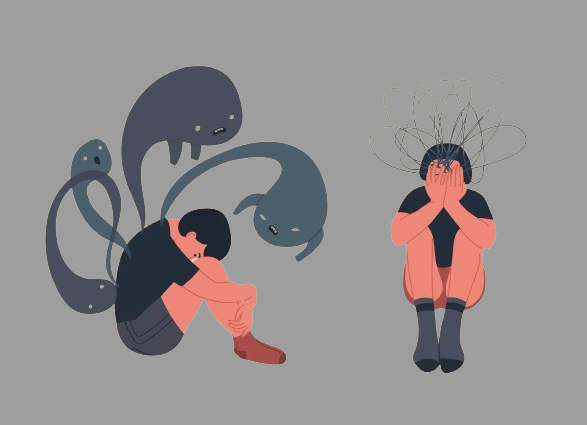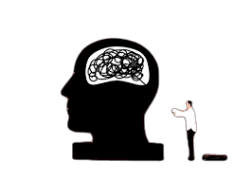
Human thinking is incredibly complex. Sometimes, people misinterpret reality in small, harmless ways, and other times, their beliefs disconnect far from what is real. This is where the terms deluded and delusional often come in — but many people use these words incorrectly or interchangeably. Understanding them is especially important in psychology, mental health awareness, emotional intelligence, and recognizing the early signs of deeper cognitive distortions.
This article explores what it actually means to be deluded or delusional, how these concepts overlap, and how they differ. You’ll also learn what delusional behavior looks like, what a deluded mindset involves, what causes these beliefs, and the four core types of delusions recognized in clinical psychology.

This is a clear, comprehensive guide covering:
- Is deluded and delusional the same thing?
- What is a deluded behavior?
- What does being delusional mean?
- What are the 4 types of delusions?
- Psychology behind distorted beliefs
- Real-life examples
- Emotional and cognitive patterns
- Myths, misconceptions, and the difference between everyday denial and clinical delusions
Let’s begin by breaking down what these terms actually mean.
Is “Deluded” and “Delusional” the Same Thing?
Many people believe the words deluded and delusional mean the same thing, but there are important differences — especially in psychology.
“Deluded” – Everyday Use
Someone who is deluded generally holds a belief that is unrealistic, naive, or based on false assumptions.
Examples:
- Believing a toxic partner will magically change despite years of behavior
- Thinking you’re the best singer in the world despite never practicing
- Assuming someone loves you because they smiled at you once
A delusion in the non-clinical sense often comes from:
- Wishful thinking
- Emotional bias
- Denial
- Misinterpretation
- Overconfidence
- Lack of information
These beliefs can be false, but they are usually flexible. When shown clear evidence, many people eventually adjust their perception.
“Delusional” – Clinical Meaning
A person who is delusional has a fixed, rigid belief that is completely disconnected from reality, even when overwhelming evidence disproves it.
Clinical delusions are recognized symptoms of:
- Psychotic disorders
- Schizophrenia
- Bipolar disorder with psychosis
- Delusional disorder
- Major depression with psychosis
- Some neurological conditions
These beliefs are unshakeable, persistent, and feel absolutely real to the person experiencing them.
Key Difference
| Term | Meaning | Flexibility | Severity |
|---|---|---|---|
| Deluded | Misguided belief; unrealistic thinking | Can change with evidence | Mild |
| Delusional | Fixed false belief disconnected from reality | Cannot be changed even with proof | Severe; clinical |
In short:
All delusional belief is deluded, but not all deluded thinking is delusional.
What Is a Deluded Behavior?
Being deluded refers to non-clinical unrealistic beliefs that come from emotional bias, overconfidence, misunderstanding, immaturity, or denial.
Here are common forms of deluded behavior:
1. Believing Something Against All Logic
Example:
Someone who thinks they will become a billionaire overnight without effort, skill, or planning.
2. Ignoring Obvious Red Flags
This is common in relationships.
People may believe:
- “He’s not cheating; he’s just always busy.”
- “She yells because she loves me.”
Emotional attachment creates distorted thinking.
3. Inflated Self-Perception
A person may believe they are:
- The smartest
- The most talented
- The attractive
- The most important
…despite strong evidence showing otherwise.
4. Justifying Dysfunctional Behavior
Someone may think:
- “I’m fine; I don’t have a problem.”
- “Everyone else is wrong.”
This resistance protects self-image.
5. Misreading Social Cues
People may interpret friendliness as:
- Romantic interest
- Admiration
- Loyalty
This is especially common in individuals with low social awareness.
6. Believing in Unrealistic Fantasies
For example:
- Thinking you’re destined for fame without preparation
- Believing the universe will solve everything for you
This isn’t harmful unless it affects functioning.
Why Do People Become Deluded?
- Emotional needs
- Cognitive biases
- Lack of knowledge
- Fear of the truth
- Social influence
- Wishful thinking
- Ego protection
Delusion in this sense is not a mental illness, but rather a psychological coping mechanism.
What Does Being Delusional Mean? (Clinical Explanation)
To be delusional is to hold a belief that is:
- False
- Fixed
- Unshakeable
- Not shared by the culture
- Held despite clear proof that it’s wrong
Delusional thinking is a clinical symptom, not just unrealistic thinking.
Common Characteristics of Delusional Thinking
1. Absolute Conviction
The person believes their idea 100%, even when it is irrational.
Example:
“I know the government implanted a chip in my brain.”
2. Evidence Does Not Change the Belief
Even if you show undeniable facts, they remain convinced.
3. The Belief Is Not Culturally Shared
Example:
Claiming aliens control your thoughts is delusional.
Believing in astrology is a cultural belief — not a delusion.
4. Strong Emotional Reaction
Delusions often trigger intense:
- Fear
- Anxiety
- Anger
- Suspicion
- Grandiosity
5. Significant Impact on Daily Life
Delusions can cause:
- Social withdrawal
- Conflict with loved ones
- Job loss
- Paranoia
- Unsafe behavior
Examples of Delusional Thinking
- “My neighbors are spying on me through the walls.”
- “My thoughts are being controlled by a device.”
- “I am a chosen prophet sent to save humanity.”
- “My partner is cheating with 50 people, even though we live together 24/7.”
These beliefs feel as real as gravity to the person experiencing them.
What Are the 4 Types of Delusions?
In clinical psychology, delusions are classified into several types. The four most common and foundational are:
1. Persecutory Delusions
Belief that someone is:
- Watching
- Following
- Spying
- Conspiring
- Planning to harm
This is the most common delusion in psychotic disorders.
Examples:
- “My boss installed cameras to monitor my thoughts.”
- “Strangers are following me everywhere.”
2. Grandiose Delusions
Belief that the person has:
- Special powers
- Exceptional talent
- Unique identity
- Divine mission
- Supernatural abilities
Examples:
- “I am chosen by God to save the world.”
- “I have genius intelligence beyond scientists.”
3. Somatic Delusions
Belief that something is physically wrong with the body despite medical proof otherwise.
Examples:
- “There are insects crawling inside my skin.”
- “My organs have been replaced.”
These delusions can lead to self-harm if untreated.
4. Erotomanic Delusions
Belief that someone—usually of higher status—is secretly in love with them.
Examples:
- “My doctor is sending me hidden love messages.”
- “The celebrity looks at the camera because they want me.”
This can sometimes lead to stalking or dangerous behavior.
Other Notable Types of Delusions
• Jealous Delusions
Belief that a partner is cheating without evidence.
• Mixed Delusions
More than one type combined.
• Bizarre Delusions
So impossible that they defy all logic.
Example: “Aliens removed my liver last night.”
• Referential Delusions
Belief that random events have personal meaning.
Example: “The radio is speaking directly to me.”
Deluded Thinking vs Delusional Thinking: Clear Comparison
| Feature | Deluded | Delusional |
|---|---|---|
| Reality distortion | Mild | Severe |
| Change with evidence | Yes | No |
| Clinical illness | No | Often yes |
| Functioning affected | Sometimes | Usually |
| Emotional intensity | Mild to moderate | Strong |
| Root causes | Bias, denial, emotions | Psychosis, illness |
A deluded person can still function.
A delusional person may require psychiatric intervention.
What Causes Delusions?
Clinical delusions stem from complex factors such as:
- Imbalance of brain chemicals
- Genetic predisposition
- Trauma
- Severe stress
- Sleep deprivation
- Drug or substance use
- Neurological conditions
- Schizophrenia
- Bipolar disorder with mania
- Major depression with psychosis
These delusions are not a choice — they are symptoms of a mental health condition.
How to Talk to Someone Who Is Deluded or Delusional
What not to do:
- Don’t say “you’re crazy.”
- Don’t force them to accept your viewpoint.
- Don’t argue aggressively.
- Don’t mock their beliefs.
What you should do:
- Stay calm.
- Encourage professional help.
- Validate emotions (not the belief).
- Gently ask questions.
- Set boundaries.
Myths & Misconceptions About Delusions
Myth 1: People with delusions are dangerous.
Most are not violent. Fear is more common than aggression.
Myth 2: Delusions happen because of low intelligence.
Delusions affect people of all IQ levels.
Myth 3: You can “logic” someone out of a delusion.
This almost never works. The belief feels real.
Myth 4: Delusions are the same as imagination.
Delusions are rigid, persistent, and distressing.
Final Thoughts
Understanding the difference between deluded and delusional is essential for mental health awareness.
While deluded thinking reflects everyday unrealistic beliefs, delusional thinking is a clinical symptom involving fixed false beliefs that disconnect a person from reality.
To recap:
- Being deluded = unrealistic, biased thinking that can change with evidence.
- Being delusional = fixed false beliefs that persist despite all proof.
- The 4 major types of delusions include: persecutory, grandiose, somatic, and erotomanic.
- Delusional thinking is a complex symptom influenced by psychological, biological, and environmental factors.
Understanding these concepts helps reduce stigma, increases awareness, and provides a foundation for recognizing when someone may need professional mental health support.