Love is one of the most beautiful human experiences, yet also one of the most confusing. People write poetry about it, cry because of it, build their lives around it, and sometimes lose themselves in it. We often grow up hearing that love is simple—“When you know, you know.”
But the reality is very different.
Love can be messy, layered, contradictory, and deeply complex.
The most meaningful relationships are rarely straight lines. They are filled with moments of clarity and moments of uncertainty, moments of deep connection and moments of distance, moments of comfort and moments of emotional chaos.
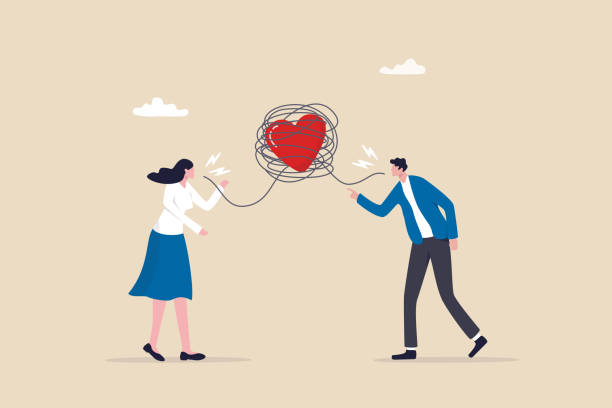
This article explores the true meaning of complex love, why relationships aren’t as simple as fairy tales describe, and how psychological, emotional, and developmental factors shape the way we love. We will also break down concepts like what a complex relationship is, the four levels of love, and whether love is meant to be complicated.
What Does Complex Love Mean?
Complex love refers to love that involves multiple emotional layers, conflicting feelings, and deep psychological connections that are not always easy to understand.
It goes far beyond the romanticized version of love often shown in movies.
✔ Complex love includes:
- Deep emotional contradictions
- Intense vulnerability
- Unspoken expectations
- Personal insecurities
- Attachment wounds
- Fears of loss
- Longing mixed with resistance
- Love mixed with uncertainty
- Passion mixed with confusion
Many people experience love as something multidimensional—not purely joyful, not purely painful, but a blend of both.
✔ Why is it called “complex”?
Because love is not a single emotion.
It is a combination of:
- attachment
- desire
- admiration
- fear
- safety
- longing
- anxiety
- comfort
- hope
- identity
When these emotions collide, the experience becomes layered, unpredictable, and hard to define.
✔ Real-life example
A person may deeply love someone but also:
- fear getting too attached
- fear abandonment
- fear losing control
- feel insecure
- feel unworthy
- feel overwhelmed
- miss them intensely
- push them away
The contradiction itself makes love complex.
✔ In simple terms:
Complex love = love + inner conflict + emotional depth + attachment patterns.
What Is a Complex Relationship?
A complex relationship is a relationship where emotional, psychological, or situational factors make the dynamic more challenging than a simple, straightforward love connection.
These relationships can still be deeply meaningful—but they require awareness and emotional maturity.
1. Relationships with mixed emotions
These relationships involve love, but also:
- resentment
- fear
- insecurity
- confusion
- longing
You may love the person but also feel hurt or misunderstood.
2. Relationships influenced by past trauma
People with childhood wounds or past relationship trauma often carry emotional triggers into their romantic lives.
For example:
- Fear of abandonment
- Difficulty trusting
- Anxiety when someone gets close
- Overthinking small behaviors
- Jealousy without clear cause
This makes love feel heavy and complex.
3. Relationships with unclear boundaries
Sometimes the relationship becomes complicated because boundaries are:
- unspoken
- unclear
- constantly shifting
This creates emotional instability.
4. On-and-off relationships
This pattern—together, broken apart, reunited—creates emotional confusion and an addictive cycle that makes the love feel even more complicated.
5. Relationships affected by life circumstances
Sometimes love is simple but circumstances are complex, such as:
- long distance
- cultural differences
- family pressure
- financial stress
- work schedules
- health issues
These external forces make love harder, even when the connection is strong.
6. Relationships where both partners are still growing
Love becomes more complex when both individuals are:
- finding themselves
- healing
- learning emotional intelligence
- building self-worth
- maturing mentally
Growth changes dynamics, which creates complexity.
What Are the 4 Levels of Love?
Love evolves. It is not a single event. It moves through various psychological and emotional stages. Many relationship experts describe four major levels of love that help explain why love can feel simple at first but grow more complicated over time.
1. Attraction (Infatuation Stage)
This is the stage of:
- excitement
- butterflies
- chemistry
- desire
- idealization
Here, the brain releases dopamine, making love feel magical and effortless.
In this stage:
- flaws are ignored
- people feel perfect
- everything feels “meant to be”
- there is little conflict
This stage is simple—because the emotional complexity hasn’t surfaced yet.
2. Connection (Bonding Stage)
Once the initial attraction settles, couples begin forming deeper emotional bonds.
Here, people begin to:
- share vulnerabilities
- reveal fears
- build trust
- open up emotionally
This is where complexity begins.
Why?
Because emotional connection exposes insecurities and attachment patterns.
3. Reality (Challenge Stage)
This is the most complex and defining stage of love.
Here, the couple starts noticing:
- flaws
- differences
- needs
- weaknesses
- emotional baggage
This stage may include:
- conflicts
- misunderstandings
- emotional triggers
- communication problems
- unmet expectations
Many couples mistakenly believe love is “failing” here, but this stage is essential for growth and emotional maturity.
4. Commitment (Mature Love Stage)
This level represents deep, intentional love.
Here, love becomes:
- steady
- compassionate
- realistic
- secure
- emotionally regulated
- supportive
- deeply intimate
This stage is complex in a healthy way—it requires effort, communication, repair, understanding, emotional regulation, and mutual respect.
True love is not found; it is built.
Is Being in Love Really as Complex as People Say?
Yes—because being in love requires emotional vulnerability, which is one of the hardest things for a human to experience.
✔ Here’s why being in love feels complex:
1. Love exposes wounds
When you love someone deeply, childhood attachment patterns resurface.
These may include:
- fear of abandonment
- fear of rejection
- fear of losing yourself
- fear of not being enough
Love brings these fears to the surface.
2. Love requires emotional risk
You can’t love without giving someone the power to hurt you.
This risk creates anxiety, uncertainty, and emotional intensity.
3. Love challenges identity
Love makes you question:
- Who am I?
- What do I want?
- What am I afraid of?
- What do I need from someone?
Self-discovery is never simple.
4. Love is unpredictable
No matter how much you love someone, you cannot control:
- their choices
- their feelings
- their growth
- their timing
This lack of control feels complex.
5. Love is influenced by emotional history
Every person brings a unique emotional blueprint:
- secure
- anxious
- avoidant
- fearful
- disorganized
These attachment styles shape how love is experienced.
6. Love requires skills we are rarely taught
These include:
- communication
- emotional regulation
- conflict resolution
- empathy
- patience
- understanding
Because people don’t learn these early in life, love feels harder than it needs to be.
Is Love Supposed to Be Complicated?
Love itself is not supposed to be complicated.
But people are complex, and therefore relationships become complex.
✔ Love becomes complicated when:
1. Unhealed emotional wounds are present
People with trauma or insecurity often experience love through fear rather than trust.
2. Expectations are unspoken
Couples assume the other person “should know,” which creates tension.
3. People confuse attachment with love
Sometimes the relationship is intense—not loving.
Intensity feels like:
- obsession
- anxiety
- jealousy
- emotional highs and lows
But that is not real love.
It is unhealed attachment.
4. Timing is wrong
Right person, wrong time = complicated love.
5. People fall in love with potential, not reality
This creates disappointment and emotional conflict.
6. Personal values don’t align
Even when two people love each other, incompatible values create constant friction.
7. Emotional communication is poor
Most relationship problems come from:
- misunderstanding
- assumptions
- avoidance
- emotional shutdown
- lack of expression
The relationship becomes complicated—even if the love is real.
Why Complex Love Can Still Be Healthy
Complex love is not always dysfunctional.
Sometimes complexity is a sign of:
- depth
- growth
- emotional courage
- transformation
- bonding
- learning
- healing
Healthy complexity is different from chaos.
✔ Healthy complexity includes:
- learning each other’s emotional language
- growing together
- understanding differences
- working through challenges
- strengthening intimacy
- building deep trust
This is the kind of complexity that enriches love, not destroys it.
When Complexity Becomes Toxic
Love becomes unhealthy when it involves:
- manipulation
- control
- disrespect
- emotional volatility
- gaslighting
- lack of accountability
- constant conflict
- walking on eggshells
- unpredictable mood swings
This is not complex love—this is emotional instability or trauma bonding.
How to Simplify a Complex Relationship
1. Communicate openly
Say what you feel without fear of being misunderstood.
2. Understand your attachment style
Knowing your emotional patterns helps you love more consciously.
3. Set healthy boundaries
Boundaries clarify expectations and reduce conflict.
4. Slow down
Fast relationships become emotionally chaotic.
5. Heal past wounds
Unhealed trauma is the biggest creator of complicated love.
6. Choose emotional maturity
Not everything needs a reaction.
Not every trigger needs drama.
7. Prioritize clarity
Ambiguity creates emotional confusion.
Clarity brings stability.
Final Thoughts: Love Isn’t Meant to Be Perfect—It’s Meant to Be Real
Complex love is part of the human experience.
It is not a sign that something is wrong.
It is a sign that people bring their histories, hopes, fears, and dreams into the relationship.
Love becomes complicated because:
- people are complicated
- emotions are layered
- attachment wounds resurface
- expectations clash
- vulnerability is difficult
But complexity is not the enemy of love.
It is the pathway to deeper intimacy, stronger connection, and mature emotional bonding.
If love is complex, it doesn’t mean it’s broken.
It means it’s alive, evolving, and real.