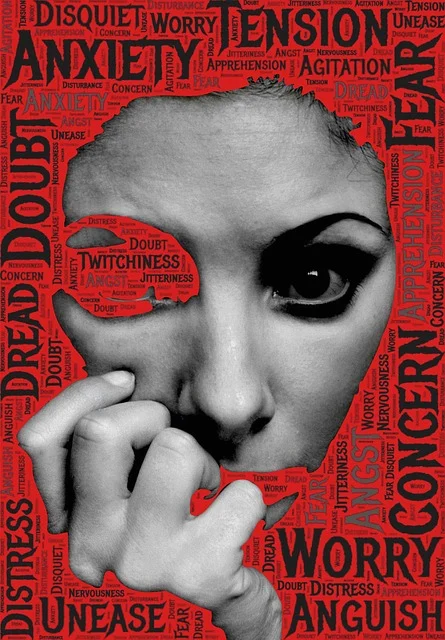
Can chronic stress cause random pain, the kind that shows up without an injury, without warning, and without any clear explanation? If you have found yourself pressing on a sore shoulder or rubbing a tight jaw and wondering where this pain even came from, you are asking a question that a surprising number of people quietly carry for months before ever voicing it out loud. Pain is supposed to make sense.

It is supposed to follow an injury, an overexertion, an illness, something identifiable. When it does not, when it simply appears in the neck one week and the lower back the next, it can feel unsettling in a way that goes beyond the physical discomfort itself. The good news is that this experience has a real, well-documented explanation, and understanding it can be the difference between living in quiet worry and finally addressing the actual source of what your body is trying to tell you.
What It Means When Pain Shows Up Without an Obvious Cause
For most of our lives, we are taught to think of pain as a direct signal of physical damage. You lift something heavy and your back hurts. You sleep in an awkward position and your neck aches. This model works well for acute injuries, but it falls apart when pain begins showing up with no clear trigger at all, migrating from one part of the body to another, lingering for weeks, or intensifying during periods that have nothing to do with physical exertion.
When this happens, people often assume they must be missing something, some injury they cannot remember or some illness that has not yet been diagnosed. In reality, the explanation is frequently much closer to home, and it has nothing to do with a hidden injury.
Chronic stress does not stay confined to the mind. It has a direct, measurable relationship with the body’s muscles, nerves, and pain-processing systems, and for many people, physical pain becomes one of the loudest ways that unresolved stress finally announces itself. This does not mean the pain is imagined or exaggerated. It means the source of the pain is different from what most people assume, and once that source is understood, the pain stops feeling so random and starts making a great deal more sense.
The Physiology Behind Stress-Related Pain
To understand why chronic stress can cause pain that seems to come from nowhere, it helps to look at what stress actually does to the body over time. When you experience stress, whether from a demanding job, a difficult relationship, financial pressure, or an anxious mental loop, your nervous system activates a response designed to prepare you for immediate danger.
This response, often called fight-or-flight, causes your muscles to tense in preparation for action, your heart rate to increase, and stress hormones like cortisol and adrenaline to flood your bloodstream. In short bursts, this system works exactly as intended and resolves once the stressful moment passes.

The problem arises when stress does not resolve, when it becomes a near-constant background state rather than an occasional spike. Muscles that are meant to tense briefly and then release instead remain in a low-grade state of tension for days, weeks, or months at a time, particularly around the neck, shoulders, jaw, and lower back, which are common holding points for stress-related tension.
Sustained elevated cortisol also plays a role in how the body processes inflammation and pain signals, and prolonged stress has been shown to increase sensitivity within the nervous system’s pain-processing pathways, meaning the same physical stimulus can begin to feel more painful than it would under normal circumstances. In effect, chronic stress does not just make you feel tense; it can genuinely lower your body’s threshold for pain while simultaneously creating the physical tension that becomes painful in the first place.
The Most Common Types of Stress-Related Pain
Stress-related pain tends to concentrate in recognizable patterns, and learning to recognize these patterns is often one of the most reassuring steps a person can take, because it turns a mysterious, seemingly random symptom into something explainable.
Tension headaches are among the most frequently reported forms of stress-related pain, typically presenting as a tight, band-like pressure around the head or a dull ache that builds gradually rather than striking suddenly. Neck and shoulder pain often accompanies this, since these areas are common sites where the body physically holds tension, especially for people who spend long hours hunched over screens while under mental strain.
Lower back pain is another frequent complaint, and while it is always worth ruling out structural or mechanical causes, chronic stress is well documented as a contributing factor to persistent lower back discomfort, particularly when the pain does not correlate clearly with any specific movement or injury. Jaw pain and facial tension are also common, often resulting from unconscious clenching or grinding that intensifies during periods of stress, sometimes without the person even realizing they are doing it, especially during sleep.
Some people experience chest tightness that can feel alarming and closely resemble cardiac symptoms, which is part of why stress-related chest pain so often leads to emergency room visits before anxiety or stress is identified as the cause. Finally, many people describe a more generalized, migrating ache that seems to move from one area of the body to another over the course of days or weeks, which tends to reflect the nervous system’s widespread involvement in the stress response rather than any single localized injury.
Why the Connection to Stress Often Isn’t Obvious
One of the more confusing aspects of stress-related pain is that the connection to stress frequently is not obvious in the moment, and that disconnect is exactly why the pain feels random in the first place. Chronic stress often builds gradually, accumulating over weeks or months rather than arriving as a single dramatic event, which means the body’s response to it can also build slowly and appear delayed.
A person under significant stress at work, for example, might not notice increased muscle tension day to day, only to find weeks later that their shoulders and neck have become chronically painful, seemingly overnight from their own perspective. The pain feels new and sudden even though the underlying cause has been quietly accumulating the entire time.

There is also a psychological layer to this disconnect. Many people become skilled at managing stress mentally, pushing through demanding periods through sheer willpower or distraction, without ever consciously registering how much strain they are actually under. In these cases, the body often ends up carrying what the mind has learned to override or ignore, and physical pain becomes the signal that finally forces attention onto a stress load that was never properly acknowledged.
This is part of why stress-related pain so often surprises people who describe themselves as coping well; the pain is not necessarily a sign that stress has gotten worse, but rather a sign that it has finally become impossible for the body to keep absorbing quietly.
Telling the Difference Between Stress-Related Pain and a Medical Concern
It is important to be clear that stress-related pain, however common and well understood, should never be assumed without appropriate medical evaluation, particularly when pain is new, severe, persistent, or accompanied by other symptoms. Chronic pain can have many causes, ranging from musculoskeletal issues to inflammatory conditions to nerve-related problems, and stress should generally be considered one possible contributing factor rather than an automatic explanation, especially before a proper evaluation has taken place.
Seeking medical care is not an overreaction; it is the responsible first step that allows you to approach a stress-related explanation with genuine confidence rather than lingering doubt about whether something else was missed.
That said, there are patterns that often distinguish stress-related pain from other causes, and clinicians use these patterns regularly during evaluation. Stress-related pain frequently fluctuates in intensity alongside stress levels, easing somewhat during calmer periods and intensifying during demanding ones, even if the person does not immediately notice the correlation.
It also tends to migrate or shift location over time rather than remaining fixed in a single structural area, and it often occurs alongside other stress symptoms such as disrupted sleep, digestive changes, or a racing mind. None of this replaces a proper diagnosis. Any pain that is severe, sudden, accompanied by numbness or weakness, unrelieved by rest, or simply feels different from anything you have experienced before warrants prompt medical attention, and pursuing that evaluation is always the right decision regardless of how likely stress may seem as the underlying cause.
What Actually Helps Reduce Stress-Related Pain
Once medical causes have been appropriately ruled out and stress has been identified as a meaningful contributor to your pain, there is a great deal that can genuinely help, much of which works by addressing the nervous system directly rather than only managing the pain symptomatically.
Regular movement, particularly gentle stretching and activities that encourage the release of chronically tense muscles, can interrupt the cycle of sustained tension that stress creates, especially in the neck, shoulders, and lower back. Practices that activate the parasympathetic nervous system, such as slow diaphragmatic breathing, progressive muscle relaxation, or mindfulness-based approaches, have been shown to reduce the baseline muscle tension that accumulates during chronic stress, even when practiced for just a few minutes daily.
Sleep plays a critical and often underappreciated role as well, since poor or insufficient sleep both worsens pain sensitivity and reduces the body’s capacity to recover from daily physical tension. Addressing the actual sources of chronic stress, rather than only managing its physical symptoms, tends to produce the most lasting relief, and this is where therapy approaches such as cognitive behavioral therapy can be particularly valuable, helping to identify and work through the underlying pressures that keep the nervous system in a sustained state of activation.
For pain that has become significant or persistent, physical therapy or bodywork can also help release accumulated tension directly, and working alongside a physician ensures that any physical component of the pain is being appropriately addressed in parallel with the stress that may be contributing to it.
The Broader Mind-Body Relationship in Pain
Perhaps the most important reframe when it comes to stress-related pain is recognizing that calling it “stress-related” does not make it any less real or any less deserving of care. There is a tendency, once stress is identified as a contributing factor, to mentally downgrade the pain as though it matters less because its origin is not purely structural. This framing does a disservice to what is actually a well-established area of medical understanding.
Psychosomatic pain, meaning pain genuinely influenced by psychological and nervous system factors, involves measurable physiological changes, including altered muscle tension, changed inflammatory markers, and heightened activity in the brain’s pain-processing regions. The pain in your shoulders is not a metaphor. The ache in your jaw is not exaggerated. What differs is not whether the pain is real, but what is generating it and, crucially, what will actually help resolve it.
Understanding this distinction changes how you can respond to your own body. Rather than either dismissing persistent pain as “just stress” or fearing that something more serious must be wrong, you can hold both possibilities with appropriate seriousness: ruling out medical causes where necessary, while also giving genuine attention and care to the accumulated stress that so often sits quietly behind pain that otherwise seems to make no sense.
Frequently Asked Questions About Stress and Pain
Can stress really cause pain in a specific part of the body, or is it always vague and generalized?
Stress-related pain can absolutely localize to specific areas, most commonly the neck, shoulders, jaw, and lower back, which tend to be common holding points for muscular tension. While some people experience more generalized, migrating discomfort, it is entirely normal for stress-related pain to concentrate consistently in one particular region depending on individual patterns of tension.
Why does my stress-related pain seem to appear days after a stressful event rather than during it?
This delay is common and reflects how the body’s stress response can accumulate gradually rather than resolving immediately after a stressful event ends. Muscle tension and elevated stress hormones can persist for some time even after the triggering situation has passed, which means pain often surfaces once the nervous system finally has a chance to register what it has been carrying.
Is it possible to have stress-related pain even if I don’t feel particularly anxious or overwhelmed?
Yes, this is quite common, particularly among people who manage stress primarily through mental coping strategies without consciously registering its physical toll. The body can hold and express stress through pain even when a person does not subjectively feel highly stressed, especially if they have become accustomed to pushing through demanding periods without pause.
How long does stress-related pain typically take to improve once the underlying stress is addressed?
This varies considerably depending on how long the pain has been present and how effectively the underlying stress is managed, but many people notice gradual improvement within several weeks of consistent nervous system regulation, movement, and stress reduction. Pain that has been present for a long time may take longer to fully resolve, particularly if muscular tension patterns have become deeply established.
Should I still see a doctor if I’m fairly confident my pain is caused by stress?
Yes, particularly if the pain is new, has changed in character, or has not been formally evaluated before. A medical evaluation allows you to rule out other contributing factors and approach a stress-related explanation with genuine confidence, rather than continuing to wonder whether something else has been overlooked.
Can stress-related pain come back even after it improves?
It can, particularly during future periods of significant stress, since the underlying patterns of muscular tension and nervous system sensitivity that produced the pain initially do not disappear permanently simply because symptoms have resolved. Continuing to practice stress management and nervous system regulation, even after pain improves, tends to reduce both the frequency and intensity of future episodes.
Moving Forward When Pain Doesn’t Seem to Make Sense
If pain has been showing up in your body without a clear explanation, that experience is far more common, and far more understandable, than it may feel in the moment. Chronic stress has a genuine, well-documented relationship with physical pain, working through sustained muscle tension, altered stress hormone levels, and a nervous system that has become more sensitive to pain signals over time.
Once medical concerns have been appropriately addressed, understanding this connection can transform pain that once felt mysterious and frightening into something explainable and, importantly, something you can actually work to improve. With attention to both the physical tension your body is holding and the deeper sources of stress behind it, it becomes possible not just to manage the pain itself, but to address what has actually been causing it all along.