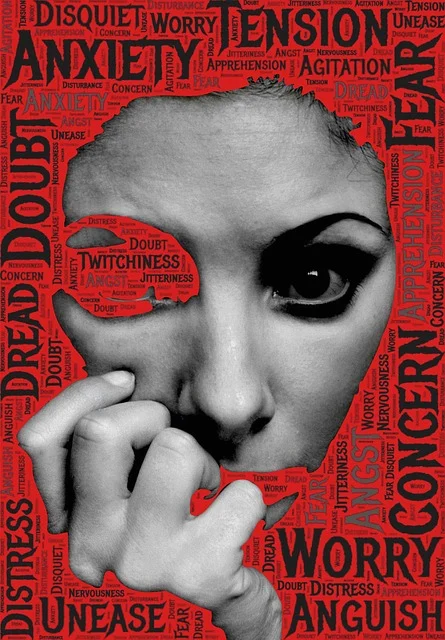
Agoraphobia is a complex anxiety disorder that involves an intense fear of situations where escape might be difficult or help may not be available. People with agoraphobia often avoid places like crowded areas, public transport, or even leaving their homes due to overwhelming anxiety.

This condition goes beyond simple fear. It can significantly impact daily life, relationships, and independence. Many individuals feel trapped—not just physically, but emotionally—leading to isolation and reduced quality of life.
Understanding agoraphobia is the first step toward recovery. With the right knowledge, support, and treatment, it is possible to regain control and live a fulfilling life.
Agoraphobia Meaning
The term agoraphobia meaning refers to a fear of situations that may trigger panic, helplessness, or embarrassment. While commonly associated with fear of open spaces, it actually includes a wide range of environments.
From a psychological perspective, agoraphobia is classified as an anxiety disorder often linked with panic disorder. Individuals may fear:
- Crowded places
- Public transportation
- Being outside alone
- Enclosed spaces
The core issue is not the place itself but the fear of losing control or being unable to escape.
Agoraphobia can develop gradually. It often begins with panic attacks in specific situations. Over time, the brain associates those environments with danger, leading to avoidance behavior.
Unlike normal fear, which is temporary and situational, agoraphobia is persistent and can worsen if left untreated. It affects both emotional and physical well-being, creating a cycle of fear and avoidance.
Types of Agoraphobia
Understanding the types of agoraphobia helps identify triggers and patterns.
1. Open Space Fear
- Fear of large, open areas like parks or malls
2. Crowd-Related Agoraphobia
- Anxiety in crowded places such as markets or events
3. Travel-Related Fear
- Fear of using buses, trains, or airplanes
4. Home-Bound Agoraphobia
- Severe cases where individuals avoid leaving home
5. Situational Agoraphobia
- Triggered by specific environments or scenarios
Each type varies in severity. Some people manage mild discomfort, while others experience debilitating anxiety that restricts daily life.
Symptoms of Agoraphobia
Agoraphobia symptoms can be physical, emotional, and behavioral.
Physical Symptoms
- Rapid heartbeat
- Shortness of breath
- Sweating
- Dizziness
Emotional Symptoms
- Intense fear
- Panic attacks
- Feeling out of control
Behavioral Symptoms
- Avoiding certain places
- Staying home excessively
- Dependence on others
These symptoms often occur in situations where the person feels unsafe or unable to escape.
Causes of Agoraphobia
Agoraphobia develops due to multiple factors:
1. Panic Disorder
- Repeated panic attacks create fear of recurrence
2. Trauma
- Stressful or traumatic experiences
3. Brain Chemistry
- Imbalances affecting anxiety response
4. Environmental Factors
- Learned behavior or upbringing
Agoraphobia Treatment
Effective agoraphobia treatment focuses on reducing fear and improving daily functioning.
1. Therapy
- First-line treatment
2. Medication
- Anti-anxiety or antidepressants
3. Lifestyle Changes
- Exercise
- Healthy routine
Treatment plans are personalized based on severity and individual needs.
Agoraphobia Therapies
Various agoraphobia therapies help individuals regain control.
Cognitive Behavioral Therapy (CBT)
- Identifies negative thoughts
- Replaces them with healthier patterns
Exposure Therapy
- Gradual exposure to feared situations
Counseling
- Emotional support and guidance
These therapies are highly effective when practiced consistently.
Cure for Agoraphobia
The idea of a cure for agoraphobia depends on understanding that it is a manageable condition.
While there may not be an instant cure:
- Many people recover fully
- Symptoms can be significantly reduced
- Normal life can be restored
Recovery involves:
- Consistent therapy
- Patience
- Gradual progress
Agoraphobia vs Social Anxiety
Though similar, they differ:
Agoraphobia
- Fear of being trapped or unable to escape
Social Anxiety
- Fear of judgment or embarrassment
Daily Life with Agoraphobia
Agoraphobia affects:
- Work
- Relationships
- Independence
Avoidance behavior can limit life experiences, making support essential.
How to Overcome Agoraphobia
Practical Strategies
- Gradual exposure
- Breathing exercises
- Positive thinking
Consistency is key in overcoming fear.
When to Seek Professional Help
Seek help if:
- Fear limits daily life
- Panic attacks are frequent
- Avoidance increases
Early treatment leads to better outcomes.
Conclusion
Agoraphobia is challenging but treatable.
You are not alone
Recovery is possible
Help is available
With the right support, individuals can regain confidence and freedom.