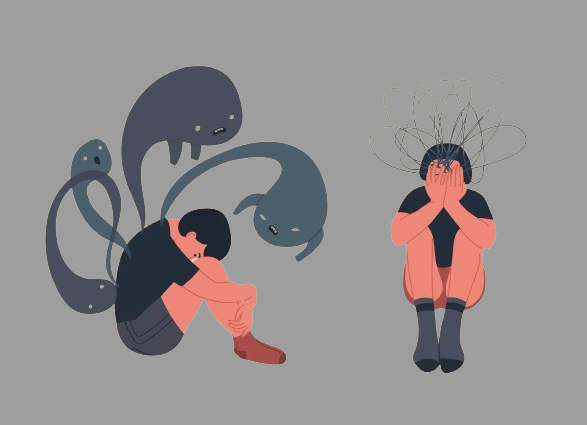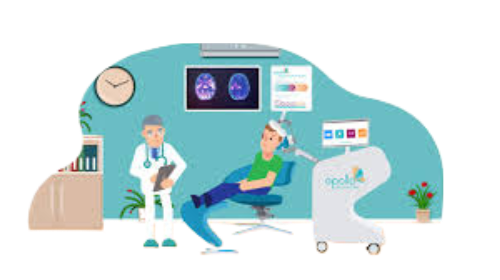
Adjustment Disorder is a common but often overlooked mental health condition that occurs when someone struggles to cope with a major life change or stressful event. Whether it’s a breakup, job loss, relocation, or personal loss, the emotional impact can feel overwhelming and difficult to manage.

Unlike other mental health disorders, Adjustment Disorder is directly linked to a specific stressor. However, its effects can significantly disrupt daily life, relationships, and emotional well-being. In this complete guide, we’ll explore symptoms, causes, treatment, and practical ways to cope.
What Is Adjustment Disorder?
Adjustment Disorder is a stress-response condition that develops when a person has difficulty adapting to a significant life change.
Common Triggers
- Relationship breakups or divorce
- Job loss or financial problems
- Moving to a new place
- Serious illness or injury
- Death of a loved one
Key Characteristics
- Emotional or behavioral symptoms appear within 3 months of the stressor
- Symptoms are more intense than expected for the situation
- Difficulty functioning in daily life
Adjustment Disorder Symptoms
Symptoms vary depending on the individual and type of stressor.
Emotional Symptoms
- Persistent sadness or hopelessness
- Anxiety or excessive worry
- Feeling overwhelmed
- Frequent crying
- Loss of interest in activities
Behavioral Symptoms
- Social withdrawal
- Avoiding responsibilities
- Changes in sleep patterns
- Difficulty concentrating
- Reduced work or school performance
Physical Symptoms
- Fatigue
- Headaches
- Body aches
- Digestive issues
Types of Adjustment Disorder
Adjustment Disorder can present in different forms:
- With depressed mood – feelings of sadness and hopelessness
- With anxiety – excessive worry and nervousness
- Mixed anxiety and depressed mood
- With disturbance of conduct – behavioral issues
- Unspecified type – symptoms that don’t fit neatly into one category
What Causes Adjustment Disorder?
The condition is triggered by identifiable stressors.
1. Life Changes
Major transitions can overwhelm coping abilities.
2. Stress Sensitivity
Some individuals are more emotionally sensitive to stress.
3. Lack of Support
Limited emotional or social support increases vulnerability.
4. Previous Mental Health Issues
A history of anxiety or depression may increase risk.
Adjustment Disorder vs Depression
| Feature | Adjustment Disorder | Depression |
|---|---|---|
| Trigger | Specific event | May occur without trigger |
| Duration | Usually short-term | Can be long-term |
| Severity | Situational | More pervasive |
| Recovery | Improves when stress resolves | May require long-term treatment |
How Is Adjustment Disorder Diagnosed?
Diagnosis is made by a mental health professional based on:
Evaluation Process
- Discussion of recent life events
- Assessment of emotional and behavioral symptoms
- Duration and severity of symptoms
Symptoms must:
- Occur within 3 months of a stressor
- Cause significant distress or impairment
Is Adjustment Disorder Serious?
Yes, especially if left untreated.
Potential Risks
- Development of anxiety disorders
- Progression to depression
- Substance misuse
- Relationship and work problems
Early treatment can prevent complications.
Adjustment Disorder Treatment
Treatment is highly effective and focuses on coping and recovery.
1. Psychotherapy (First-Line Treatment)
Cognitive Behavioral Therapy (CBT)
- Helps reframe negative thoughts
- Builds coping strategies
Talk Therapy
- Provides emotional support
- Helps process stressful events
2. Medication (If Needed)
Doctors may prescribe:
- Anti-anxiety medications
- Antidepressants (short-term use)
3. Lifestyle Changes
- Regular exercise
- Healthy sleep routine
- Balanced diet
- Stress management techniques
How to Cope With Adjustment Disorder
Practical Coping Strategies
- Break problems into manageable steps
- Stay connected with supportive people
- Practice mindfulness and relaxation
- Maintain a daily routine
- Avoid isolation
After a Breakup or Job Loss
- Allow time to process emotions
- Focus on rebuilding routine
- Set small, achievable goals
Adjustment Disorder in Relationships
Stress can affect how individuals interact with others.
Common Challenges
- Irritability
- Emotional withdrawal
- Miscommunication
Improving Relationships
- Open communication
- Seeking couples or family therapy
- Practicing patience and understanding
Living With Adjustment Disorder
Adjustment Disorder is usually temporary—but its impact can feel intense.
Daily Challenges
- Emotional instability
- Reduced motivation
- Difficulty focusing
Positive Outlook
With proper support:
- Symptoms improve within months
- Coping skills strengthen
- Emotional resilience grows
How Long Does Adjustment Disorder Last?
- Typically lasts up to 6 months after the stressor ends
- May persist longer if stress continues
Chronic cases are rare but possible without treatment.
Can Adjustment Disorder Go Away on Its Own?
In some cases, yes—but support and treatment significantly speed up recovery and reduce suffering.
When to Seek Professional Help
Seek help if:
- Symptoms last longer than a few weeks
- Daily functioning is affected
- Emotional distress feels overwhelming
- You experience hopelessness or severe anxiety
Final Thoughts
Adjustment Disorder is a natural response to life’s challenges—but when stress becomes overwhelming, it’s important to seek support.
With the right tools, therapy, and lifestyle changes, individuals can recover, adapt, and build stronger emotional resilience for the future.