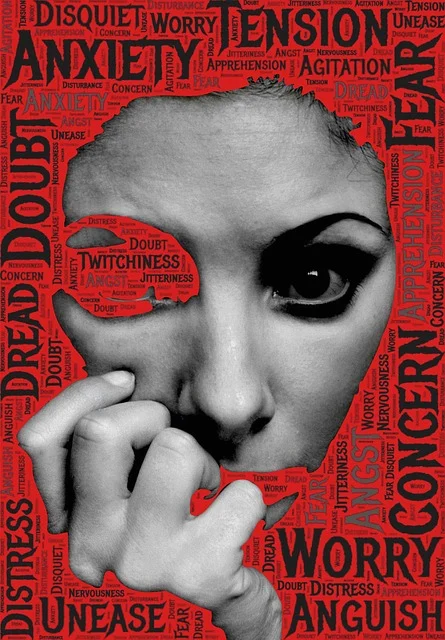
Cyclothymic Disorder is a chronic mood condition characterized by ongoing emotional ups and downs that are less severe than bipolar disorder but still disruptive to daily life. Often called cyclothymia, this condition involves periods of mild depression and hypomanic symptoms that can last for years.

Because symptoms are not as extreme as full bipolar disorder, many people go undiagnosed—yet the impact on relationships, work, and emotional stability can be significant. In this comprehensive guide, we’ll explore symptoms, causes, diagnosis, treatment, and how to effectively manage life with cyclothymic disorder.
What Is Cyclothymic Disorder?
Cyclothymic Disorder is part of the bipolar spectrum disorders and involves:
- Recurrent mood swings
- Periods of elevated mood (hypomania)
- Periods of mild depression
Key Duration Criteria
- At least 2 years in adults
- At least 1 year in children/adolescents
Unlike bipolar I or II, symptoms do not meet full criteria for major depressive or manic episodes—but they are persistent and cyclical.
Cyclothymic Disorder Symptoms
Symptoms vary between emotional highs and lows.
Hypomanic Symptoms (Emotional Highs)
- Increased energy or activity
- Elevated or irritable mood
- Reduced need for sleep
- Increased confidence or impulsivity
- Talking more than usual
Depressive Symptoms (Emotional Lows)
- Persistent sadness
- Low energy or fatigue
- Loss of interest in activities
- Difficulty concentrating
- Feelings of hopelessness
Emotional Pattern
People with cyclothymia often:
- Experience frequent mood fluctuations
- Feel emotionally unstable
- Struggle with consistency in behavior
What Causes Cyclothymic Disorder?
The exact cause is unknown, but several factors contribute:
1. Genetics
A family history of mood disorders increases risk.
2. Brain Chemistry
Imbalances in neurotransmitters like serotonin and dopamine may play a role.
3. Environmental Factors
- Stressful life events
- Trauma or emotional neglect
- Unstable upbringing
4. Personality Traits
People who are emotionally sensitive may be more vulnerable.
Cyclothymic Disorder vs Bipolar Disorder
| Feature | Cyclothymic Disorder | Bipolar Disorder |
|---|---|---|
| Severity | Mild to moderate | Moderate to severe |
| Mood Episodes | Less intense | Full manic/depressive episodes |
| Duration | Chronic | Episodic |
| Diagnosis | Sub-threshold symptoms | Meets full criteria |
Cyclothymia is sometimes considered a milder form of bipolar disorder, but it still requires attention and care.
How Is Cyclothymic Disorder Diagnosed?
Diagnosis is made by a mental health professional based on:
Evaluation Process
- Psychological assessment
- Medical history review
- Mood pattern tracking
DSM-5 Criteria Includes:
- Long-term mood instability
- No symptom-free period longer than 2 months
- Symptoms present for required duration
Is Cyclothymic Disorder Serious?
Yes. Even though symptoms are milder, the long-term effects can be significant.
Potential Risks
- Progression to bipolar disorder
- Relationship instability
- Poor work or academic performance
- Increased anxiety or depression
Ignoring symptoms can worsen the condition over time.
Cyclothymic Disorder Treatment
Treatment focuses on stabilizing mood and improving quality of life.
1. Psychotherapy
Cognitive Behavioral Therapy (CBT)
- Helps manage mood swings
- Identifies negative thought patterns
Interpersonal Therapy
- Improves relationships and communication
2. Medication
Doctors may prescribe:
- Mood stabilizers
- Antidepressants (with caution)
- Anti-anxiety medications
3. Lifestyle Changes
- Maintain a consistent sleep schedule
- Regular physical activity
- Stress management techniques
- Avoid alcohol and drugs
How to Cope With Cyclothymic Disorder
For Individuals
- Track mood changes daily
- Build structured routines
- Practice mindfulness
- Avoid impulsive decisions during mood highs
- Seek consistent therapy
For Family & Friends
- Learn about the disorder
- Offer support without judgment
- Encourage treatment adherence
- Be patient with mood fluctuations
Cyclothymic Disorder in Relationships
Mood instability can affect relationships in many ways:
Common Challenges
- Emotional unpredictability
- Miscommunication
- Impulsive behavior during highs
- Withdrawal during lows
Improving Relationships
- Open communication
- Therapy (individual or couples)
- Setting healthy boundaries
Living With Cyclothymic Disorder
Living with cyclothymia can be challenging, but many people manage it successfully.
Daily Challenges
- Emotional inconsistency
- Difficulty maintaining routines
- Fluctuating motivation
Positive Outlook
With proper care:
- Mood swings can become manageable
- Stability improves over time
- Life satisfaction increases
Early Signs of Cyclothymic Disorder
Recognizing early signs is key to early intervention.
Warning Signs
- Frequent mood changes
- Alternating energy levels
- Periods of mild depression
- Occasional bursts of high energy
Can Cyclothymic Disorder Turn Into Bipolar Disorder?
Yes, in some cases, cyclothymia may develop into bipolar disorder if untreated.
Risk Factors
- Lack of treatment
- High stress levels
- Genetic predisposition
Early treatment significantly reduces this risk.
Is Cyclothymic Disorder Curable?
Cyclothymia is not typically “curable,” but it is highly manageable.
With proper treatment:
- Symptoms can be controlled
- Mood stability improves
- Individuals can lead fulfilling lives
When to Seek Professional Help
Seek help if:
- Mood swings affect daily life
- Relationships become unstable
- Emotional highs or lows feel uncontrollable
- You notice long-term patterns
Final Thoughts
Cyclothymic Disorder is often overlooked because its symptoms are less intense than bipolar disorder—but its long-term impact is real.
With awareness, proper treatment, and lifestyle adjustments, individuals can manage their mood swings effectively and build a stable, meaningful life.