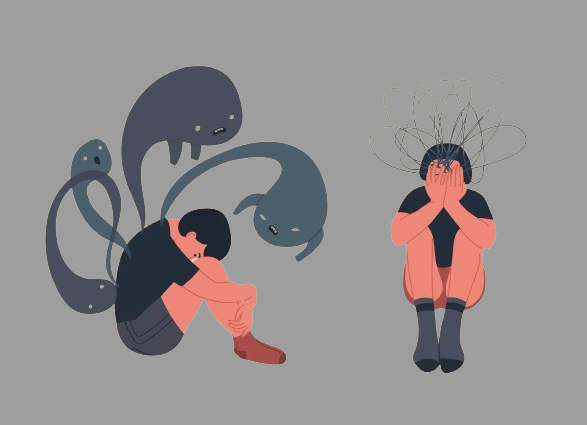
Tourette Syndrome is a neurological condition that affects the nervous system and causes repetitive, involuntary movements and sounds known as tics. These tics can include blinking, facial movements, throat clearing, or vocal expressions that occur suddenly and repeatedly. Tourette Syndrome usually begins in childhood and may vary greatly in severity from one person to another.

Although Tourette Syndrome is often misunderstood, it is a recognized neurological disorder that affects brain circuits involved in movement and behavior. Health organizations such as the Centers for Disease Control and Prevention and the World Health Organization classify Tourette Syndrome as a neurodevelopmental disorder. This means the condition develops early in life and is related to how the brain and nervous system grow and function.
People with Tourette Syndrome experience both motor tics (physical movements) and vocal tics (sounds or speech-related tics). While some individuals have mild symptoms that barely interfere with daily life, others may face challenges at school, work, or in social situations. However, with proper understanding, support, and treatment, many individuals with Tourette Syndrome lead successful and fulfilling lives.
What Is Tourette Syndrome?
Tourette Syndrome is a neurological disorder characterized by repeated, involuntary movements and vocalizations called tics. These tics occur suddenly and may appear difficult or impossible to control.
The condition was first described by the neurologist
Georges Gilles de la Tourette, after whom the disorder is named.
Tourette Syndrome is also recognized in diagnostic manuals such as the
Diagnostic and Statistical Manual of Mental Disorders.
Features of Tourette Syndrome
- presence of both motor and vocal tics
- symptoms beginning before age 18
- tics lasting for more than one year
- symptoms that fluctuate over time
Tourette Syndrome is considered a tic disorder, meaning it primarily affects movement and vocal control rather than intelligence or personality.
Symptoms of Tourette Syndrome
The main symptoms of Tourette Syndrome are tics, which are sudden, repetitive movements or sounds. These tics can vary in frequency, intensity, and type.
Motor Tics
Motor tics involve physical movements.
Common examples include:
- blinking rapidly
- facial grimacing
- head jerking
- shoulder shrugging
- arm movements
Some motor tics are simple and involve a single muscle group, while others are more complex and involve coordinated patterns of movement.
Vocal Tics
Vocal tics involve sounds produced through the nose, mouth, or throat.
Examples include:
- throat clearing
- sniffing
- coughing
- humming
- repeating words or phrases
In rare cases, individuals may experience coprolalia, which involves involuntary use of socially inappropriate words. However, this symptom occurs in only a small percentage of people with Tourette Syndrome.
What Exactly Causes Tourette Syndrome?
Researchers believe Tourette Syndrome develops due to a combination of neurological, genetic, and environmental factors.
Genetic Factors
Studies suggest that Tourette Syndrome often runs in families. Certain genetic patterns may increase the likelihood of developing tic disorders.
However, the exact genes involved are still being studied.
Brain Chemistry and Neurotransmitters
Tourette Syndrome appears to involve imbalances in brain chemicals called neurotransmitters, especially dopamine, which plays a role in movement and behavior.
Changes in neurotransmitter activity may contribute to the development of tics.
Differences in Brain Structure
Brain imaging studies show that people with Tourette Syndrome may have differences in certain areas of the brain responsible for movement control.
These include regions that regulate motor coordination and impulse control.
Environmental Influences
Some environmental factors may influence the development or severity of Tourette Syndrome, such as:
- prenatal complications
- infections during childhood
- exposure to stress
While these factors may contribute to symptoms, Tourette Syndrome is primarily considered a neurological condition.
Is Tourette Triggered by Stress?
Stress does not cause Tourette Syndrome, but it can significantly affect the frequency and intensity of tics.
Many individuals report that tics become worse during times of:
- emotional stress
- anxiety
- excitement
- fatigue
- illness
On the other hand, tics may decrease when a person is focused on activities such as sports, art, or hobbies.
Learning stress-management techniques can help reduce the impact of stress on tic symptoms.
Is Tourette’s a Mental Illness?
Tourette Syndrome is not classified as a mental illness. Instead, it is a neurological disorder affecting the brain and nervous system.
However, some people with Tourette Syndrome may also experience other conditions, including:
- Attention Deficit Hyperactivity Disorder
- Obsessive-Compulsive Disorder
These conditions may occur alongside Tourette Syndrome and can affect concentration, behavior, and emotional regulation.
It is important to distinguish between neurological conditions and psychiatric disorders, even though they may sometimes overlap.
How Tourette Syndrome Affects Daily Life
The effects of Tourette Syndrome vary depending on the severity of symptoms.
Some individuals experience only mild tics that do not interfere with daily activities. Others may face challenges in social, educational, or professional settings.
Social Challenges
People with Tourette Syndrome may feel self-conscious about their tics, especially in public settings where others may misunderstand the condition.
School and Workplace Difficulties
Frequent tics can sometimes make it harder to concentrate or participate in structured environments such as classrooms or offices.
Emotional Impact
Living with a visible neurological condition can sometimes lead to stress, anxiety, or reduced self-confidence.
Despite these challenges, many individuals with Tourette Syndrome develop strong coping skills and achieve success in various fields.
How to Deal With Tourette Syndrome
Managing Tourette Syndrome often involves a combination of education, support, and coping strategies.
Understanding Triggers
Keeping track of situations that increase tic frequency can help individuals reduce triggers when possible.
Stress Management
Relaxation techniques such as deep breathing, mindfulness, and exercise can help reduce stress-related tic increases.
Behavioral Therapy
Behavioral interventions can teach individuals ways to recognize and manage tics.
One effective therapy is Comprehensive Behavioral Intervention for Tics (CBIT).
Support From Family and Friends
Supportive environments can make a significant difference. Understanding from family members, teachers, and colleagues helps reduce stigma and stress.
Education and Awareness
Learning about Tourette Syndrome helps both individuals and communities respond with empathy rather than misunderstanding.
Treatment for Tourette Syndrome
Treatment depends on how severe the symptoms are and how much they affect daily life.
Behavioral Therapy
Behavioral therapy focuses on teaching individuals strategies to manage and reduce tics.
CBIT is one of the most effective therapies for Tourette Syndrome.
Medication Options
In cases where symptoms are severe, doctors may prescribe medications to help regulate brain chemicals involved in movement control.
Medication is usually considered when tics interfere with daily functioning.
Psychological Support
Counseling can help individuals cope with emotional challenges associated with living with a neurological condition.
Lifestyle Adjustments
Healthy lifestyle habits can support overall well-being, including:
- regular exercise
- adequate sleep
- balanced nutrition
- stress reduction
Living With Tourette Syndrome
Living with Tourette Syndrome requires patience, understanding, and resilience. Over time, many people learn to manage their symptoms effectively.
Important strategies include:
- building confidence and self-acceptance
- connecting with support groups
- educating others about the condition
- focusing on personal strengths and talents
Many successful individuals have lived with Tourette Syndrome and have achieved remarkable accomplishments in fields such as sports, entertainment, and science.
Frequently Asked Questions
Can Tourette Syndrome go away with age?
In many cases, tic symptoms become less severe during adolescence or adulthood, although some individuals continue to experience them throughout life.
What triggers Tourette tics?
Stress, anxiety, excitement, fatigue, and illness can increase tic frequency.
Is Tourette Syndrome hereditary?
Genetic factors appear to play a role, and the condition may run in families.
Can adults develop Tourette Syndrome?
Tourette Syndrome usually begins in childhood. Adult-onset tic disorders are less common and may have different causes.
How common is Tourette Syndrome?
Tourette Syndrome affects approximately 1 in 160 children, according to the Centers for Disease Control and Prevention.
Conclusion
Tourette Syndrome is a neurological condition that causes involuntary movements and vocalizations known as tics. Although the exact causes are not fully understood, research suggests that genetic, neurological, and environmental factors all play a role.
While stress can increase tic symptoms, Tourette Syndrome itself is not caused by emotional factors and is not considered a mental illness. Instead, it is a neurodevelopmental condition affecting the brain’s movement-control systems.
With proper understanding, therapy, and supportive environments, individuals with Tourette Syndrome can successfully manage their symptoms and lead fulfilling lives. Increasing awareness and education about the condition helps reduce stigma and promotes greater acceptance within society.