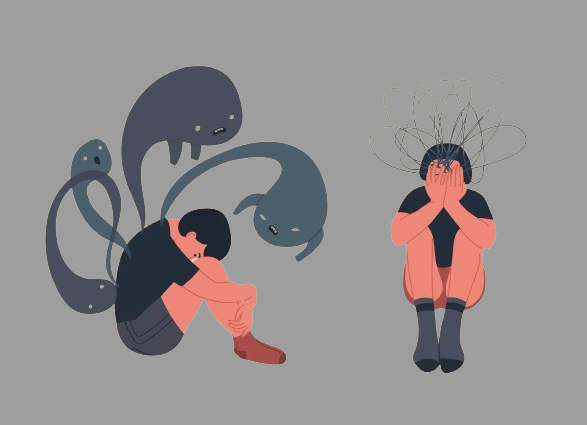
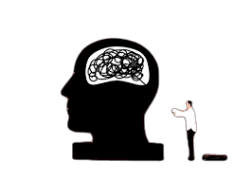
Emotional pain does not always come with a clear story. Many people live with deep anxiety, sadness, shame, or fear while genuinely believing that “nothing bad ever happened” to them. This confusing experience is known as emotional trauma without memory . a condition where the emotional and physical effects of trauma remain, even though conscious memories of the traumatic event are missing or unclear.

If you feel emotionally wounded but cannot point to a specific cause, you are not broken, dramatic, or imagining things. Trauma does not require memory to be real. The human brain and nervous system are designed to protect us, and sometimes that protection means hiding experiences too overwhelming to process at the time.
What Is Emotional Trauma Without Memory?
Emotional trauma without memory occurs when a person experiences the emotional, behavioral, or physical consequences of trauma without having conscious recall of the original event. This does not mean the trauma did not happen. It means the brain stored it differently.
Trauma is not defined by what happened, but by how the nervous system experienced it. When an event feels overwhelming, unsafe, or inescapable—especially in childhood—the brain may prioritize survival over memory formation.
Explicit vs. Implicit Memory
To understand this, it helps to know how memory works:
- Explicit memory stores facts, events, and narratives (what you can consciously remember).
- Implicit memory stores emotions, body sensations, reactions, and learned responses.
Trauma is often stored as implicit memory. The body remembers fear, tension, or danger even when the mind cannot recall the event itself. This is why someone may feel intense emotions without knowing why.
Why Childhood Trauma Is Often Forgotten
Emotional trauma without memory is especially common in childhood trauma. Children lack the cognitive development and language skills needed to process overwhelming experiences. As a result, the brain may store trauma as emotional patterns rather than stories.
This can include:
- Emotional neglect
- Chronic criticism
- Feeling unsafe, unseen, or unloved
- Growing up with unpredictable caregivers
None of these require a single dramatic incident to cause trauma.
What If I Don’t Remember My Trauma?
One of the most common and painful questions people ask is: “What if I don’t remember my trauma?”
Not remembering does not invalidate your pain.
Memory loss around trauma is a protective survival mechanism. When the brain perceives a situation as too threatening to process, it may block conscious recall to keep functioning.
This can result in:
- Emotional reactions without context
- Strong responses to seemingly small triggers
- A persistent sense that something is “wrong” internally
Many people only realize later in life that their struggles may be trauma-related, even though they always believed they had a “normal” past.
Trauma Does Not Need Memory to Affect You
You may experience:
- Anxiety without a clear cause
- Deep sadness that feels older than your current life
- Fear of closeness or abandonment
- Emotional numbness or detachment
These are not personality flaws. They are adaptive responses learned during times when your nervous system did not feel safe.
Is Forgetting Things a Trauma Response?
Yes, forgetting can be a trauma response.
When faced with overwhelming stress, the brain may use strategies such as dissociation, suppression, or compartmentalization. These responses allow a person to survive emotionally—but at a cost.
Dissociation and Memory Loss
Dissociation is a state where the mind disconnects from thoughts, feelings, memories, or identity. It exists on a spectrum and can be subtle.
Signs include:
- Feeling emotionally numb
- “Spacing out” frequently
- Poor memory for emotional experiences
- Feeling disconnected from yourself or your past
In trauma, dissociation helps the brain escape when physical escape is impossible. Over time, this can lead to emotional trauma without memory.
Suppression vs. Repression
- Suppression is a conscious effort to avoid thinking about something.
- Repression is unconscious—the memory is inaccessible without intentional therapeutic work.
Both are common trauma responses and neither are signs of weakness.
How Trauma Lives in the Body When the Mind Forgets
Even when the mind forgets, the body remembers.
Trauma is stored in the nervous system, not just the brain. This is why emotional trauma without memory often shows up physically.
Common Body-Based Trauma Symptoms
- Chronic muscle tension
- Digestive problems
- Fatigue
- Headaches
- Tight chest or shallow breathing
- Unexplained aches and pains
The body remains in a state of alert, prepared for danger that no longer exists.
Emotional Flashbacks Without Images
Unlike traditional flashbacks, emotional flashbacks involve sudden emotional states without visual memory. A person may feel intense shame, fear, or sadness seemingly out of nowhere.
These experiences are common in unresolved emotional trauma and are often misunderstood.
What Does Unresolved Trauma Look Like in Adults?
Unresolved trauma does not always look dramatic. In adults, it often hides behind socially accepted behaviors.
Emotional Signs
- Chronic anxiety or emptiness
- Difficulty feeling joy
- Overreacting to stress
- Persistent shame or guilt
Behavioral Patterns
- People-pleasing
- Perfectionism
- Avoidance of conflict
- Emotional withdrawal
- Self-sabotage
Relationship Struggles
- Fear of abandonment
- Difficulty trusting others
- Attracting emotionally unavailable partners
- Feeling unsafe with closeness
These patterns are not flaws. They are learned survival strategies that once served a purpose.
The Science Behind Trauma and Memory Loss
Trauma changes how the brain functions.
Key Brain Areas Involved
- Amygdala: Detects danger and activates fear responses
- Hippocampus: Organizes memory and context
- Prefrontal cortex: Handles reasoning and emotional regulation
During trauma:
- The amygdala becomes overactive
- The hippocampus may go offline
- Memories are stored without time or context
This explains why trauma can feel ever-present, even when it belongs to the past.
Stress Hormones and Memory Encoding
High levels of cortisol and adrenaline interfere with normal memory processing. The brain prioritizes survival, not storytelling.
This is why logic alone cannot heal trauma.
How to Heal the Brain After Emotional Trauma
Healing emotional trauma without memory is not about digging for forgotten events. It is about creating safety in the nervous system.
Neuroplasticity and Healing
The brain is capable of change throughout life. With consistent support, new neural pathways can replace trauma-based responses.
Regulation Comes Before Recollection
Healing focuses on:
- Emotional regulation
- Body awareness
- Building safety
- Developing self-compassion
Remembering trauma is not required for recovery.
Trauma-Informed Healing Approaches
- Somatic practices
- Mindfulness-based regulation
- Trauma-informed therapy
- Safe relational experiences
The goal is not to relive pain, but to teach the nervous system that the present is safe.
Practical Steps to Begin Healing (Without Remembering Trauma)
You can begin healing now, even without answers.
Grounding Techniques
- Slow breathing
- Noticing physical sensations
- Gentle movement
Nervous System Regulation
- Consistent routines
- Adequate rest
- Reducing chronic stress
Self-Compassion
Trauma often creates an inner critic. Learning to respond to yourself with kindness is a powerful healing tool.
When to Seek Professional Support
You do not need to be “sure” you experienced trauma to seek help.
Consider support if:
- Emotional distress interferes with daily life
- You feel stuck in repeating patterns
- Symptoms feel overwhelming or confusing
Trauma-informed professionals work with symptoms, not just memories.
Seeking help is not weakness—it is self-respect.
Frequently Asked Questions About Emotional Trauma Without Memory
Can emotional trauma exist without memory?
Yes. Trauma can be stored in the body and nervous system as implicit memory, affecting emotions and behavior without conscious recall.
Is emotional trauma real if I can’t remember it?
Absolutely. Trauma is defined by its impact, not by memory clarity.
Can trauma be healed without remembering it?
Yes. Healing focuses on regulation, safety, and integration—not memory recovery.
How long does healing take?
Healing is not linear. Many people notice improvement within months, though deeper healing may take longer.