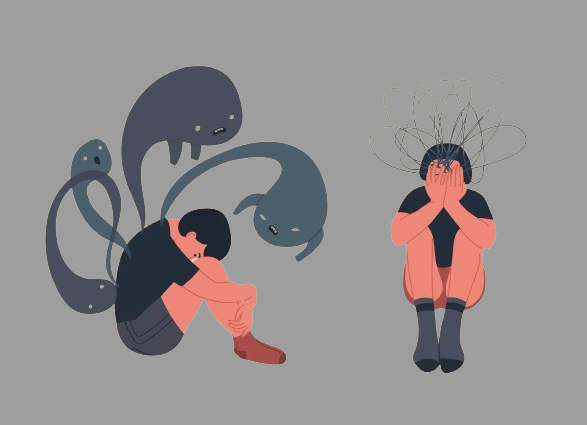
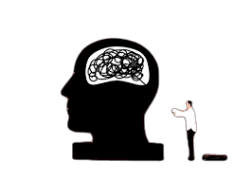
Subconscious fear anxiety is one of the most confusing emotional experiences a person can face. You may feel anxious, tense, or suddenly scared without being able to explain why. There is no clear threat, no obvious trigger—yet your body reacts as if danger is present. This is the nature of subconscious fear anxiety, where fear operates below conscious awareness.
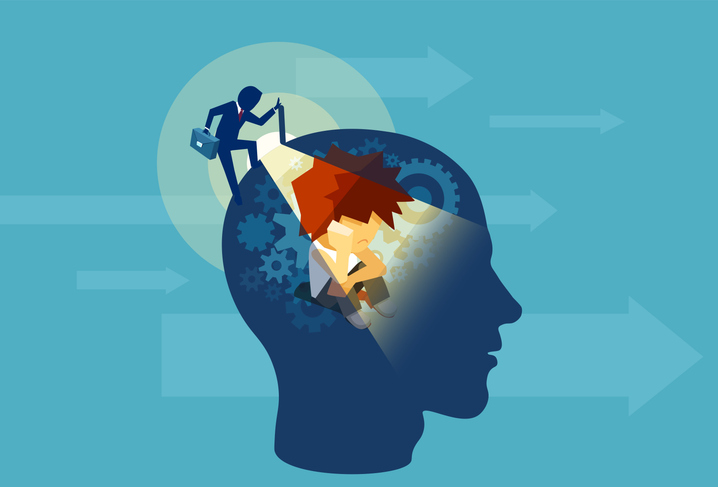
Unlike rational fear, subconscious anxiety is driven by emotional memory, past experiences, and deeply stored beliefs. It often shows up as unexplained nervousness, chronic worry, self-doubt, or a constant sense that something is wrong. These feelings are real, valid, and far more common than people realize.
What Is Subconscious Anxiety?
Subconscious anxiety refers to fear-based emotional responses that occur without conscious thought or awareness. The subconscious mind continuously scans for potential threats based on past experiences, learned patterns, and emotional memories. When it detects something familiar—even symbolically—it can trigger anxiety automatically.
This type of anxiety often feels sudden and illogical because the brain is reacting to internal cues rather than present danger.
Common signs of subconscious anxiety include:
- Persistent nervousness without a clear reason
- Sudden waves of fear or dread
- Muscle tension and restlessness
- Overthinking and rumination
- Difficulty relaxing or feeling safe
Subconscious anxiety is not imagined. It is a real mind-body response shaped by experience.
How the Subconscious Mind Creates Fear
The subconscious mind stores emotional information differently than conscious memory. It remembers feelings, sensations, and patterns rather than detailed events.
When a current situation resembles a past emotional experience—even slightly—the subconscious may respond with fear as a protective mechanism. This happens faster than conscious thought.
Key contributors include:
- Emotional conditioning
- Unresolved stress
- Learned fear responses
- Survival-based brain wiring
The brain’s goal is safety, not logic.
Why Do I Suddenly Feel Scared for No Reason?
Feeling scared for no reason is one of the hallmark experiences of subconscious fear anxiety. While it feels random, the reaction usually has an internal cause.
Possible reasons include:
- Emotional memories being activated
- Stress accumulation
- Unprocessed past fear
- Nervous system overstimulation
Often, the conscious mind simply hasn’t connected the dots yet.
What Is a Subconscious Fear?
A subconscious fear is an emotional fear response stored beneath conscious awareness. It forms when the brain associates certain feelings or situations with danger, even if the threat no longer exists.
Examples of subconscious fears include:
- Fear of abandonment
- Fear of failure
- Fear of rejection
- Fear of losing control
These fears influence behavior, emotions, and self-perception without being clearly identified.
Physical Symptoms of Subconscious Fear Anxiety
Subconscious anxiety frequently expresses itself through physical symptoms. Because the mind and body are connected, emotional fear can appear as physical discomfort.
Common symptoms include:
- Tight chest
- Shortness of breath
- Digestive discomfort
- Headaches
- Fatigue
- Sleep disturbances
These symptoms are the body’s way of signaling internal stress.
Is Self Doubt a Form of Anxiety?
Yes, self-doubt is often closely connected to anxiety. Subconscious fear anxiety can undermine confidence by creating constant internal questioning and insecurity.
Self-doubt linked to anxiety may include:
- Fear of making mistakes
- Constant second-guessing
- Feeling not good enough
- Avoiding decisions
At its core, self-doubt often reflects a fear of negative outcomes or rejection.
Subconscious Fear Anxiety and Trauma
Not all trauma is dramatic or obvious. Emotional trauma can be subtle and cumulative.
Experiences that may contribute include:
- Chronic stress
- Emotional neglect
- Inconsistent caregiving
- Repeated criticism
- Unresolved fear
The subconscious stores these experiences as emotional memory, influencing future responses.
Difference Between Conscious Fear and Subconscious Fear
| Conscious Fear | Subconscious Fear |
|---|---|
| Clear trigger | Hidden trigger |
| Rational | Emotional |
| Short-term | Persistent |
| Situational | Pattern-based |
Understanding this difference helps reduce confusion and self-blame.
How Subconscious Fear Anxiety Affects Daily Life
Subconscious fear anxiety can quietly shape daily behavior.
It may lead to:
- Avoidance of situations
- Difficulty trusting others
- Overthinking interactions
- Emotional exhaustion
- Reduced confidence
Over time, life may feel smaller and more restricted.
How to Calm Subconscious Fear Anxiety
Healing subconscious fear anxiety involves calming the nervous system and increasing emotional awareness.
1. Build Body Awareness
Practices such as slow breathing, gentle stretching, and mindfulness help signal safety to the brain.
2. Name the Emotion
Labeling emotions reduces their intensity and brings subconscious patterns into awareness.
3. Reduce Chronic Stress
Sleep, nutrition, and rest play a major role in anxiety regulation.
4. Challenge Fear-Based Thoughts Gently
Rather than forcing positivity, question whether fear reflects current reality.
5. Develop Emotional Safety
Creating routines, boundaries, and supportive relationships builds internal security.
Mind-Body Techniques for Subconscious Anxiety
Helpful approaches include:
- Breath regulation
- Progressive muscle relaxation
- Somatic awareness
- Grounding exercises
These techniques communicate safety to the nervous system.
Subconscious Fear Anxiety vs General Anxiety
Subconscious anxiety differs from generalized anxiety in that triggers are often unclear. Both can coexist and overlap.
Understanding this distinction helps guide appropriate coping strategies.
When to Seek Professional Support
Support may be helpful when subconscious fear anxiety:
- Interferes with daily functioning
- Causes persistent distress
- Leads to avoidance or isolation
Therapy can help uncover emotional patterns and build regulation skills.
Conclusion
Subconscious fear anxiety is not weakness—it is a protective response shaped by experience. When fear operates below awareness, it can feel overwhelming and confusing, but it is also deeply understandable.
With patience, compassion, and the right tools, subconscious anxiety can soften. Healing begins by listening to the body, understanding emotional signals, and creating a sense of safety within yourself.
Frequently Asked Questions (FAQs)
What is subconscious fear anxiety?
Subconscious fear anxiety refers to fear responses that arise without conscious awareness, driven by emotional memory and learned patterns.
Why do I feel anxious without a reason?
Anxiety without a clear reason often comes from subconscious triggers related to past experiences or stress.
Can subconscious anxiety go away?
Yes. With awareness, nervous system regulation, and support, subconscious anxiety can significantly improve.
Is self-doubt linked to subconscious fear?
Yes. Self-doubt often reflects hidden fears of failure, rejection, or judgment.
Does therapy help subconscious fear anxiety?
Therapy can help identify emotional patterns and teach regulation strategies for long-term relief.