Tension headaches are one of the most common types of headaches in the world—and also one of the most misunderstood. Many people experience them regularly without realizing what they are, why they happen, or how deeply they’re connected to stress, posture, muscle tension, and the nervous system.
Unlike migraines, tension headaches often feel “manageable,” which leads many people to ignore them, push through the pain, or rely on painkillers without addressing the root cause. Over time, this can turn an occasional headache into a chronic, recurring condition that affects productivity, mood, sleep, and overall quality of life.
What Does a Tension Headache Feel Like?
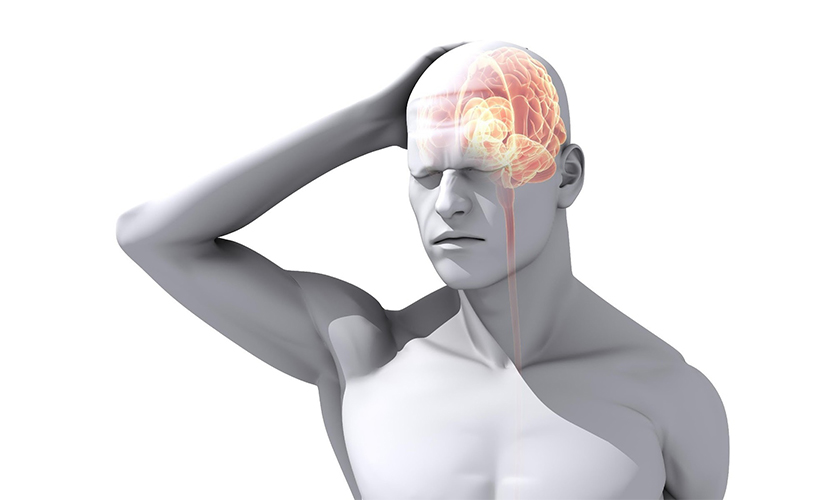
A tension headache usually causes a dull, aching pain rather than sharp or throbbing discomfort. Many people describe it as a tight band or pressure around the head.
Common Sensations of a Tension Headache
- A squeezing or tightening feeling around the forehead or temples
- Pressure on both sides of the head
- Tenderness in the scalp, neck, shoulders, or jaw
- Mild to moderate pain (not usually severe)
- A feeling of heaviness in the head
Unlike migraines, tension headaches typically:
- Do not cause nausea or vomiting
- Do not worsen significantly with physical activity
- Do not usually involve visual disturbances
However, that doesn’t mean they’re harmless. Chronic tension headaches can become exhausting and emotionally draining.
Duration and Frequency
Tension headaches can last:
- 30 minutes to several hours
- Sometimes days in chronic cases
They may occur:
- Occasionally (episodic)
- Frequently (chronic—15 or more days per month)
Chronic tension headaches often develop when stress, muscle tension, or poor posture go unaddressed for long periods.
How Tension Headaches Affect Daily Life
Even when mild, tension headaches can:
- Reduce concentration
- Increase irritability
- Disrupt sleep
- Lower productivity
- Contribute to anxiety and low mood
Many people normalize them—but persistent head pain is a sign that the body is under strain.
What Can Trigger Tension Headaches?
Tension headaches rarely have a single cause. Instead, they are triggered by a combination of physical, emotional, and lifestyle factors.
Physical Triggers
Muscle Tension
Tight muscles in the:
- Neck
- Shoulders
- Upper back
- Jaw and scalp
are among the most common triggers.
Poor Posture
- Slouching at a desk
- Forward head posture
- Long hours on phones or laptops
These positions strain neck and shoulder muscles, leading to tension headaches.
Eye Strain
- Staring at screens for long periods
- Poor lighting
- Uncorrected vision problems
Eye strain often contributes to forehead and temple pain.
Emotional and Psychological Triggers
Stress is one of the biggest triggers of tension headaches.
Common emotional contributors include:
- Chronic stress
- Anxiety
- Emotional suppression
- Mental overload
- Perfectionism
When stress activates the nervous system, muscles tighten automatically—and stay tight if stress is ongoing.
Lifestyle Triggers
- Lack of sleep
- Dehydration
- Skipping meals
- Caffeine overuse or withdrawal
- Sedentary habits
These factors increase nervous system sensitivity and muscle tension.
Environmental Triggers
- Noise
- Bright lights
- Poor air quality
- Uncomfortable work environments
Over time, environmental stress adds up.
Causes of Tension Headaches
Tension headaches are often called “stress headaches,” but their causes go deeper than stress alone.
Muscle Tension and Myofascial Pain
Prolonged muscle contraction reduces blood flow and oxygen, leading to:
- Muscle fatigue
- Pain signal buildup
- Trigger points
This pain can radiate into the head, causing headaches.
Nervous System Dysregulation
The nervous system controls muscle tone and pain perception. Chronic stress keeps the body in fight-or-flight mode, increasing muscle tension and pain sensitivity.
Stress Hormones and Inflammation
Elevated cortisol and adrenaline:
- Increase muscle tension
- Heighten pain perception
- Delay muscle recovery
Over time, this creates a cycle of recurring headaches.
Central Sensitization
In chronic cases, the brain becomes more sensitive to pain signals. This means:
- Mild tension feels more painful
- Headaches occur more frequently
- Pain lasts longer
This is why tension headaches can persist even after the original trigger is gone.
Why Tension Headaches Become Chronic
They often become chronic when:
- Stress is ongoing
- Posture issues aren’t corrected
- Painkillers are overused
- Emotional stress isn’t addressed
The body learns the pain pattern and repeats it.
How Do You Get Rid of a Tension Headache?
Effective treatment focuses on relief now and prevention long-term.
Immediate Relief Strategies
- Gentle neck and shoulder stretches
- Applying heat to tight muscles
- Cold compress on the forehead
- Hydration
- Rest in a quiet, dim environment
These reduce muscle tension and calm the nervous system.
Over-the-Counter Medications
Common options include:
- Acetaminophen
- Ibuprofen
- Aspirin
They can be effective short-term but should not be relied on daily, as overuse can cause rebound headaches.
Physical Therapy and Massage
Targeted therapy helps:
- Release muscle knots
- Improve posture
- Restore normal movement patterns
Massage therapy reduces muscle tension and improves circulation.
Ergonomics and Posture Correction
Small changes can make a big difference:
- Adjust chair and monitor height
- Keep screens at eye level
- Take regular movement breaks
Good posture reduces constant muscle strain.
Stress Management Techniques
Because tension headaches are closely tied to stress, managing stress is essential.
Effective methods include:
- Deep breathing exercises
- Progressive muscle relaxation
- Mindfulness meditation
- Yoga or tai chi
These techniques calm the nervous system and reduce muscle tension.
Natural Remedies and Supplements
Some people benefit from:
- Magnesium
- Riboflavin (Vitamin B2)
- Herbal teas (peppermint, chamomile)
Always consult a healthcare professional before starting supplements.
Cognitive Behavioral Therapy (CBT)
CBT helps by:
- Reducing stress reactivity
- Changing pain-related thought patterns
- Improving coping strategies
It’s especially helpful for chronic tension headaches.
Can Alcohol Help with Tension Headaches?
This is a common question—and the short answer is no, not reliably.
Short-Term Effects
Alcohol may temporarily:
- Relax muscles
- Reduce stress perception
This can make a headache feel better briefly.
Long-Term Consequences
However, alcohol:
- Dehydrates the body
- Disrupts sleep
- Increases inflammation
- Triggers rebound headaches
For many people, alcohol causes or worsens tension headaches rather than relieving them.
Alcohol as a Trigger
Regular alcohol use can:
- Increase headache frequency
- Lower pain thresholds
- Worsen chronic headaches
Relying on alcohol for relief often backfires.
When to Seek Medical Care
Consult a healthcare professional if:
- Headaches are frequent or worsening
- Pain interferes with daily life
- Headaches are accompanied by neurological symptoms
- Over-the-counter medications no longer help
Persistent headaches deserve proper evaluation.
Frequently Asked Questions (FAQ)
Are tension headaches dangerous?
They are usually not dangerous, but chronic tension headaches can significantly impact quality of life.
Can tension headaches turn into migraines?
They are different conditions, but some people experience both.
How long do tension headaches last?
They can last from 30 minutes to several days, depending on triggers and treatment.
Can anxiety cause tension headaches?
Yes. Anxiety increases muscle tension and nervous system sensitivity, making headaches more likely.
What’s the best long-term treatment?
A combination of stress management, posture correction, movement, and healthy habits works best.
Final Thoughts: Finding Long-Term Relief
Tension headaches are your body’s way of signaling overload—physical, emotional, or mental. Treating them effectively means listening to those signals rather than silencing them.
By addressing posture, stress, muscle tension, and nervous system health, it’s possible not just to relieve tension headaches—but to prevent them altogether.
Your head doesn’t hurt for no reason. Relief starts with understanding.