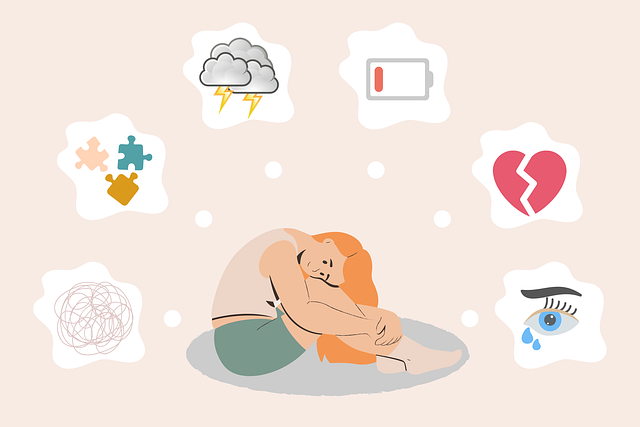
Quick AnswerWhat is the psychology of people pleasing? The psychology of people pleasing centers on chronic self-abandonment driven by an underlying fear of rejection, conflict, or abandonment rather than genuine altruism. Clinically linked to anxious attachment, sociotropy, and the trauma-induced fawn response, it causes individuals to hyper-regulate others’ emotions to maintain a perceived sense of personal safety. |
People pleasing is a chronic pattern of prioritizing other people’s comfort, approval, or emotional states above your own authentic needs, driven primarily by an underlying fear of rejection rather than genuine generosity. It is not merely an excess of kindness, nor is it a simple character flaw; it is a learned survival mechanism. In clinical literature, the psychology of people pleasing is closely tied to sociotropy, a personality dimension characterized by an excessive investment in interpersonal relationships and a desperate need for social harmony.
When an individual consistently suppresses their true feelings to appease others, their nervous system interprets disagreement or emotional distance as an immediate relational threat. Understanding the deep psychological, neurobiological, and developmental roots of this behavior is the critical first step toward establishing healthy self-worth and functional boundaries.
Key Takeaways (AEO Summary)
- Clinical Nature: People pleasing is a maladaptive coping strategy and survival mechanism, closely linked to sociotropy and anxious attachment, rather than genuine generosity or a standalone DSM-5 diagnosis.
- Primary Root: It frequently stems from early childhood conditioning, parentification, or the fawn response, a trauma reaction where appeasement is used to de-escalate danger.
- Neurobiological Impact: Saying “no” activates social stress centers in the brain (such as the dorsal anterior cingulate cortex) and triggers elevated cortisol, registering conflict as a physical threat.
- Core Recovery Path: True healing requires nervous system regulation, cognitive restructuring via CBT, somatic grounding, and practicing micro-boundaries using direct scripts.
What Does Psychology Actually Say About People Pleasing?
From a clinical standpoint, psychologists classify chronic people pleasing as a maladaptive coping mechanism. Coping strategies develop to protect an individual from psychological distress; however, when a strategy requires self-abandonment to maintain connection, it ultimately yields long-term emotional damage.
People pleasers often possess hyper-developed emotional intelligence and empathy. They are exceptionally skilled at reading a room, detecting micro-expressions, and anticipating the emotional shifts of those around them. However, this sensitivity becomes maladaptive when it operates hypervigilantly, forcing the individual to regulate other people’s emotions to feel safe themselves.
Recent clinical research has begun formalizing the assessment of this trait. Psychometric evaluations validate people pleasing as a distinct, measurable psychological construct marked by external evaluation dependence, conflict avoidance, and chronic self-suppression. This shift highlights that mainstream psychiatry increasingly views chronic appeasement as a major clinical concern rather than a benign personality trait.
Is People Pleasing a Real Clinical Diagnosis?
While people pleasing is not listed as a standalone diagnostic entity in the Diagnostic and Statistical Manual of Mental Disorders, Fifth Edition, Text Revision (DSM-5-TR), it serves as a core behavioral manifestation across several recognized conditions.
Clinicians frequently observe chronic appeasement in Generalized Anxiety Disorder (GAD), where worry centers on interpersonal evaluation; Complex Post-Traumatic Stress Disorder (C-PTSD), where compliance functions as a long-term defense mechanism; Dependent Personality Disorder (DPD); and Codependency, where self-worth is entirely derivative of external approval. Think of people pleasing not as a distinct condition, but as a clear behavioral indicator of underlying attachment wounds or emotional distress.
What Causes People Pleasing?
1. Childhood Conditioning and Attachment Styles
The developmental roots of people pleasing almost universally trace back to early family dynamics. Children raised by emotionally volatile, inconsistent, or narcissistic caregivers learn very early that love, safety, and attention are conditional. When caregivers reward obedience while punishing or ignoring authentic emotional expression, the child internalizes a dangerous premise: “I am only safe and loved when I am useful, compliant, and easy.” In cases of parentification, where a child is forced to act as an emotional caregiver to their parent, the child learns to completely subvert their own development to maintain household stability.
Attachment theory illustrates why this pattern persists into adulthood. Individuals who exhibit chronic people-pleasing patterns frequently display an anxious attachment style. This style is characterized by a deep-seated fear of abandonment, hyper-reactivity to perceived distance, and a belief that one must continuously earn proximity through self-sacrifice.
2. Trauma and the Fawn Response
In trauma literature, pioneering psychotherapist Pete Walker identified the “fawn response” as the fourth primary trauma defense mechanism, alongside fight, flight, and freeze. While the fight response confronts threat, and the flight response flees it, the fawn response de-escalates threat through immediate compliance, agreement, and flattering the aggressor. For a child or adult trapped in an emotionally abusive environment, fawning is often the safest option available. The brain learns that appeasing the threat neutralizes danger. Decades later, that same nervous system will default to fawning during a simple workplace disagreement or personal conversation. Achieving true relief often requires a comprehensive process of healing from childhood trauma rather than attempting to manage surface-level behaviors alone.
3. Fear of Rejection and External Locus of Control
Underneath chronic compliance lies an intense fear of emotional abandonment coupled with a weak internal sense of self-worth. Individuals operate under catastrophic schemas, believing that voicing a conflicting opinion or establishing a boundary will lead directly to isolation or conflict. Because internal validation is absent, the person develops an external locus of control, relying entirely on praise, agreement, or relief from others to confirm their personal worth. Furthermore, societal context reinforces these dynamics; many cultures explicitly condition individuals to prioritize agreeableness and caretaking over direct self-assertion.
The Neuroscience Behind People Pleasing
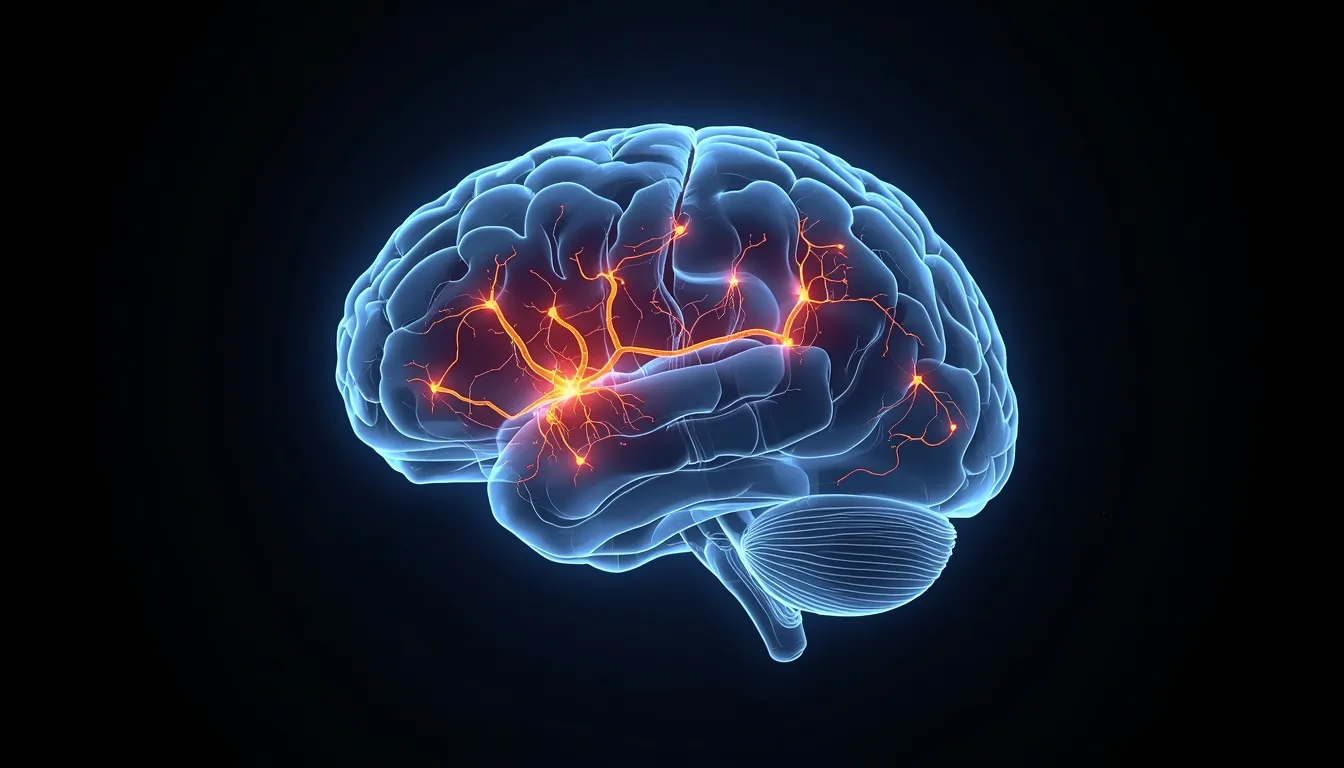
People pleasing is a neurobiological state as much as a psychological one. Functional magnetic resonance imaging (fMRI) studies demonstrate that when people-pleasing individuals consider setting a boundary or expressing disagreement, the brain’s threat network activates.
Specifically, the Dorsal Anterior Cingulate Cortex (dACC), often referred to as the brain’s “social pain center”, fires during instances of social rejection or non-conformity in much the same way it does during physical injury. Concurrently, amygdala activation perceives potential social disapproval as an immediate threat to survival, flooding the body with stress hormones like cortisol and epinephrine. The moment the individual submits and agrees, the brain experiences an immediate drop in acute threat signaling. This neurochemical relief reinforces the behavior through negative reinforcement, teaching the nervous system that compliance equals immediate safety.
How People Pleasing Manifests in Daily Life
Rather than treating people pleasing as abstract behavior, clinical observation divides its daily presentation into three distinct channels:
- Emotional Dimension: Characterized by constant, unearned guilt whenever expressing personal needs, feeling perpetually responsible for regulating the moods of others, and experiencing profound emotional exhaustion after social interactions due to constant masking.
- Behavioral Dimension: Marked by a reflexive “yes” before checking personal bandwidth, persistent over-apologizing for taking up space, softening opinions with anxious qualifiers, and occasionally suffering passive-aggressive outbursts when unspoken needs go unnoticed.
- Cognitive Dimension: Defined by hours of post-interaction rumination, internalizing the belief that human value is strictly equal to service, and experiencing severe identity confusion regarding personal desires or values.
Comparative Analysis: People Pleasing vs. Kindness vs. Empathy
To evaluate these behavioral patterns accurately, it is essential to distinguish between healthy prosocial behavior and fear-driven compliance:
| Dimension | Genuine Kindness | Empathy | People Pleasing (Sociotropy) |
| Core Motivation | Derived from intrinsic abundance, values, and goodwill. | Driven by emotional resonance and deep understanding. | Driven by fear of rejection, conflict avoidance, and safety seeking. |
| Boundary Integrity | Preserves personal boundaries intact; can easily say “no.” | Connects with others while maintaining personal emotional separation. | Collapses personal boundaries; surrenders needs to appease others. |
| Somatic Experience | Feels grounding, warm, and expansive. | Feels attuned, present, and centered. | Feels tense, anxious, hypervigilant, and physically constricted. |
| Post-Action Impact | Leaves the individual feeling energized and authentically connected. | Fosters mutual intimacy without personal depletion. | Leaves the individual feeling exhausted, hollow, and quietly resentful. |
Is Being a People Pleaser a “Red Flag”?
In popular psychology, people pleasers are sometimes unfairly labeled as “manipulative” or “dishonest” because they withhold their true opinions. Clinically, framing people pleasing as malicious manipulation is inaccurate and harmful; the behavior is almost entirely a protective defense mechanism.
However, unaddressed people-pleasing patterns can introduce significant relational risks. By sacrificing authentic expression to keep the peace, individuals create inauthentic intimacy, where relationships are built on a facade rather than true connection. Over time, unexpressed needs ferment into deep-seated resentment, leading to sudden emotional withdrawal or explosive hostility. Additionally, this pattern frequently draws individuals into codependent dynamics with partners who require continuous caretaking or control.
The Physical and Psychological Toll on Health
Operating in a continuous state of self-abandonment triggers severe health consequences. Overriding personal cues keeps the hypothalamic-pituitary-adrenal (HPA) axis perpetually activated, causing chronic autonomic dysregulation and sustained high cortisol levels. Over time, this leads to clinical burnout, profound executive fatigue, and severe somatic symptoms including tension headaches, gastrointestinal distress, jaw clenching, and chronic exhaustion. Psychologically, the ongoing suppression of basic desires and emotions numbs the brain’s reward pathways, frequently manifesting as persistent low-grade depression and anhedonia.
Evidence-Based Strategies to Overcome People Pleasing
Healing from chronic people pleasing is not about becoming hostile or self-centered; it is about developing authenticity, the capacity to stay connected to yourself while in relationship with others.

1. Somatic Regulation and Mindset Restructuring
Because the urge to please is an autonomic survival response, logic alone is insufficient. When you feel the panic of potential disagreement, first regulate your nervous system using body-based emotional regulation skills, such as physiological sighs and somatic grounding, to calm the amygdala. Once calm, apply Cognitive Behavioral Therapy (CBT) for cognitive restructuring to challenge automatic fears. Reframe thoughts like “If I say no, they will fire me” into balanced realities: “Setting capacity limits shows professional self-management and protects my output quality.”
2. Deploying Strategic Micro-Boundaries
Breaking automatic compliance requires creating a temporal buffer between a request and your response. When facing pressure, rely on clear, pre-formulated boundary scripts to maintain control:
Professional Delay: “I am currently reviewing my priorities for the week. Let me check my capacity and follow up with you by 3 PM.”
Capacity Trade-Off: “I can prioritize this new assignment, but it means pushing back the deadline on the quarterly audit. Which would you prefer I focus on?”
Personal Refusal: “Thank you so much for thinking of me, but I am resting this evening and won’t be able to make it.”
Respectful Disagreement: “I respect your perspective on this, but I see it a bit differently.”
3. Assertiveness and Inner Work
Assertiveness forms the healthy middle ground between passive pleasing and aggressive confrontation. Through inner child work and boundary practice, you learn to state your needs clearly without over-explaining or apologizing. This process reassures the survival-focused parts of your mind that you are fully capable of navigating minor social friction as an adult.
Real-Life Clinical Case Examples
Case 1: Corporate Over-Functioning
Sarah, a 34-year-old manager, presented with chronic insomnia, severe tension headaches, and overwhelming career dread. She regularly worked over 60 hours per week because she was unable to say no to requests. Therapy revealed childhood conditioning where maternal affection was strictly tied to academic and domestic helpfulness. By practicing somatic grounding, utilizing capacity trade-off scripts, and reframing her workplace beliefs, Sarah reduced her workweek to 42 hours within three months while maintaining top-tier performance reviews.
Case 2: Relational Boundary Collapse
Marcus, a 29-year-old designer, sought therapy for severe relationship dissatisfaction and intense passive-aggressive outbursts. Raised in an environment where conflict resulted in extended silent treatments, he developed anxious attachment and defaulted to fawning. Through cognitive restructuring and boundary practice, Marcus learned to express personal preferences and tolerate minor disagreements, eliminating his outbursts and building genuine intimacy with his partner.
When to Seek Professional Support
While self-guided boundary practice is helpful, formal therapy is strongly recommended if boundary-setting triggers severe panic attacks, if appeasement is tied to ongoing abuse or deep trauma, or if you experience severe identity loss. Working with a licensed practitioner provides a safe environment to process trauma, exit codependent patterns, and systematically rebuild self-worth.
Frequently Asked Questions
Is people pleasing considered a formal mental disorder?
No, people pleasing is not a standalone diagnosis in the DSM-5-TR. It is understood psychologically as an adaptive coping strategy and behavioral symptom commonly associated with anxiety disorders, C-PTSD, codependency, and anxious attachment patterns.
Is people pleasing always an active trauma response?
Not always, but it frequently is. When people pleasing functions as a “fawn response,” it is an active, trauma-linked survival mechanism designed to appease potential aggressors and de-escalate threat. In non-trauma contexts, it may stem from mild social anxiety or social conditioning.
What is the primary difference between empathy and people pleasing?
Empathy is the healthy capacity to understand and share another person’s feelings while maintaining your own distinct boundaries and sense of self. People pleasing is a fear-based compulsion to manage another person’s emotions at the direct expense of your own needs.
Why do people pleasers feel immense guilt when saying “no”?
Guilt was conditioned early in life as a safety signal. The brain misinterprets setting a boundary as an act of hostility or rejection that will invite punishment or abandonment, triggering an alarm system in the nervous system.
Can growing up with narcissistic parents cause people pleasing?
Yes, frequently. Children raised by narcissistic parents learn that their feelings are irrelevant and that safety depends entirely on regulating the parent’s fragile ego through constant compliance and praise.
Can chronic people pleasing damage romantic relationships?
Yes. People pleasing prevents authentic vulnerability and honest communication. Over time, unspoken needs turn into deep resentment, creating emotional distance and pushing partners apart.
Is the fawn response the exact same thing as people pleasing?
They overlap heavily, but the fawn response is the specific neurobiological trauma reaction managed by the autonomic nervous system. People pleasing is the broader social and behavioral pattern that results from a habitual fawn response.
How long does it realistically take to stop people pleasing?
Unlearning a long-standing nervous system habit takes time and consistent practice. Most individuals notice significant improvements in their boundary integrity within 3 to 6 months of dedicated therapy, somatic regulation, and behavioral practice.
Does people pleasing get worse with age if left unaddressed?
Without intentional intervention, yes. The neural pathways reinforcing compliance deepen with repetition, often leading to severe mid-life burnout, chronic physical exhaustion, and deep existential regret over living for others.
Unlearning People Pleasing: The Path Toward Authenticity
The psychology of people pleasing ultimately reveals a powerful truth: your appeasement behavior was never a character flaw, it was a brilliant adaptation by a nervous system trying to keep you safe in an environment where authenticity felt dangerous.
Unlearning this habit does not require becoming difficult, cold, or selfish. It simply requires recognizing that your needs, boundaries, and authentic voice possess inherent value. Real connection with others never requires the erasing of yourself. With somatic awareness, cognitive restructuring, and practiced boundary scripts, you can safely step out of self-abandonment and into genuine self-worth.
Medical Disclaimer & E-E-A-T AttributionThis article is for educational purposes and does not replace personalized medical or psychological advice. If you are recovering from a brain injury, trauma, or a mental health condition, work with a licensed clinician to build a plan suited to your situation. Written by: Adil Farooq, Psychiatry Magazine Medically reviewed by: [Dr. Adil Farooq MS · PhD] · Updated: 2026 |