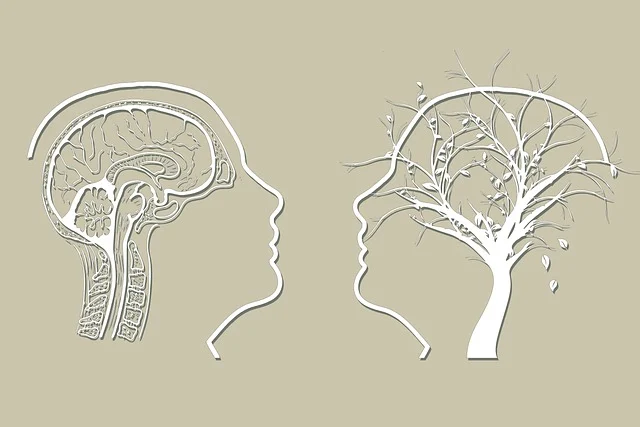
Emotional pain is often treated as something that exists only in the mind—heartbreak, grief, anxiety, shame, or fear. But science and psychology show that emotional pain has real, measurable effects on the body. When emotional distress goes unprocessed or becomes chronic, it can manifest as physical pain, illness, fatigue, and nervous system dysfunction.
The body and mind are deeply interconnected. Your nervous system, hormones, immune response, and muscles all respond to emotional stress. This is why emotional pain can feel just as real—and sometimes more overwhelming—than physical injury.

Can You Feel Physical Pain From Emotions?
Yes, emotional pain can cause genuine physical pain.
When you experience emotional distress, the brain activates the same neural pathways involved in physical pain. Stress hormones like cortisol and adrenaline are released, preparing the body for survival. If this response continues for long periods, it creates tension, inflammation, and pain.
Common ways emotional pain shows up physically include:
- Chest tightness or heart pain
- Headaches or migraines
- Muscle aches and stiffness
- Stomach pain or nausea
- Fatigue and weakness
Your body does not distinguish between emotional danger and physical danger—it reacts to both.
How Emotional Stress Affects the Nervous System
The nervous system plays a central role in how emotional pain affects the body.
Fight, Flight, Freeze, or Shutdown
Emotional stress activates the sympathetic nervous system, putting the body into survival mode. If stress is ongoing, the nervous system struggles to return to a relaxed state.
Over time, this can lead to:
- Constant tension and hypervigilance
- Poor digestion and sleep
- Rapid heartbeat or shortness of breath
- Emotional numbness or burnout
When emotional stress becomes overwhelming, the body may enter a shutdown or collapse response, leading to low energy, depression, and physical exhaustion.
Common Physical Symptoms of Emotional Pain
Emotional pain can affect nearly every system in the body.
Musculoskeletal Symptoms
- Chronic neck, shoulder, and back pain
- Jaw clenching or TMJ pain
- Body stiffness without injury
Digestive Symptoms
- Irritable bowel symptoms
- Acid reflux or stomach cramps
- Loss of appetite or emotional eating
Neurological Symptoms
- Brain fog
- Dizziness
- Tingling or numbness
Cardiovascular and Respiratory Symptoms
- Chest pain
- Heart palpitations
- Shallow breathing
These symptoms are real, even when medical tests appear normal.
Can Emotional Stress Cause Physical Pain?
Absolutely. Emotional stress is one of the most common causes of unexplained physical pain.
When stress becomes chronic:
- Muscles remain tense
- Inflammation increases
- Pain sensitivity rises
- Healing slows down
This is often referred to as psychosomatic pain, but that does not mean the pain is imaginary. It means emotions are influencing physical processes in the body.
How Long Does Emotional Pain Last?
Emotional pain has no fixed timeline.
It may last:
- Hours or days after a stressful event
- Weeks during grief or loss
- Months or years if emotions are suppressed or unresolved
Factors that affect duration include:
- Emotional support
- Coping skills
- Past trauma
- Nervous system resilience
Unprocessed emotional pain often stays in the body until it is acknowledged and released.
What Happens When Emotional Pain Is Suppressed?
Suppressing emotional pain doesn’t make it disappear—it pushes it deeper into the body.
Long-term suppression can lead to:
- Chronic pain conditions
- Autoimmune issues
- Anxiety disorders
- Emotional numbness
- Burnout and fatigue
The body becomes the messenger when emotions are ignored.
What to Do When You Are in Emotional Pain
Healing emotional pain requires both emotional and physical care.
Immediate Support Strategies
- Slow, deep breathing
- Gentle movement or stretching
- Grounding techniques
- Rest and reduced stimulation
Emotional Processing
- Naming your feelings
- Journaling
- Talking with a trusted person
- Therapy or counseling
Body-Based Healing
- Nervous system regulation exercises
- Somatic practices
- Mindfulness and relaxation
You don’t need to “fix” your emotions—your body needs safety and understanding.
Mind–Body Healing: Releasing Emotional Pain From the Body
Healing occurs when the nervous system feels safe enough to relax.
Helpful practices include:
- Breathwork to calm stress responses
- Gentle yoga or walking
- Progressive muscle relaxation
- Self-compassion and emotional validation
Consistency matters more than intensity.
Can Emotional Pain Turn Into Chronic Physical Conditions?
Yes, long-term emotional stress is linked to:
- Chronic fatigue
- Fibromyalgia
- Tension headaches
- Digestive disorders
- Anxiety-related neurological symptoms
This does not mean emotions caused the illness alone, but they play a powerful role in worsening and maintaining symptoms.
Signs Your Body Is Holding Emotional Pain
You may be holding emotional pain if you experience:
- Recurrent symptoms without clear medical cause
- Symptoms that worsen with stress
- Feeling emotionally overwhelmed or numb
- Difficulty relaxing or sleeping
Your body may be asking for emotional attention.
How to Support Emotional and Physical Recovery Together
True healing involves the whole system.
Support recovery by:
- Prioritizing rest and sleep
- Eating nourishing foods
- Reducing chronic stressors
- Creating emotional safety
- Seeking professional support when needed
Healing is not linear, and progress happens gently.
Conclusion
Emotional pain is not just “in your head.” It lives in the body, shapes your nervous system, and influences your physical health. When emotions are acknowledged, supported, and gently processed, the body can begin to heal too. Listening to your body is often the first step toward emotional and physical recovery.
FAQs
Can emotional pain really hurt physically?
Yes. Emotional pain activates the same brain pathways as physical pain and can cause real symptoms like muscle aches, headaches, chest tightness, and digestive problems.
Can emotional stress cause physical pain?
Chronic emotional stress can lead to muscle tension, inflammation, nervous system dysregulation, and increased pain sensitivity throughout the body.
How long does emotional pain last?
Emotional pain can last from days to years, depending on emotional processing, support, past trauma, and nervous system regulation.
What should I do when emotional pain affects my body?
Focus on calming the nervous system, expressing emotions safely, practicing self-care, and seeking professional support if symptoms persist.
Can therapy help physical symptoms caused by emotional pain?
Yes. Therapy, especially trauma-informed and body-based approaches, can help reduce physical symptoms linked to emotional distress.