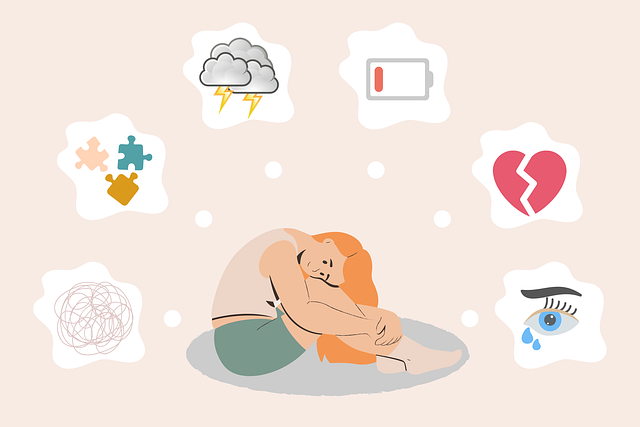
If you’ve ever sat in a room full of people and still felt empty, unseen, or disconnected, you may have asked yourself: why do I feel lonely around others? This experience can be deeply confusing and painful. After all, loneliness is often associated with being alone — yet here you are, surrounded by people, and still feeling isolated.

Feeling lonely around others does not mean you are broken, ungrateful, or socially incapable. It means that your emotional needs are not being met, even if your social needs appear fulfilled on the surface. Many people quietly experience this type of loneliness while maintaining friendships, relationships, careers, and busy lives.
Understanding Loneliness Beyond Being Alone
Loneliness is not the same as solitude. You can be alone and feel peaceful, or surrounded by people and feel painfully disconnected.
Emotional loneliness vs social loneliness
Psychologists often distinguish between two types of loneliness:
- Social loneliness – lacking a social network or companionship
- Emotional loneliness – lacking deep emotional connection or understanding
When people ask why do I feel lonely around others, the answer is usually emotional loneliness. You may have people to talk to, but not people who truly see you.
Why Do I Feel Lonely Even When Surrounded by People?
This is one of the most common — and misunderstood — forms of loneliness.
1. Lack of emotional intimacy
You may interact socially but never go beyond surface-level conversations. Without emotional depth, connection feels hollow.
2. Feeling unseen or misunderstood
When your thoughts, feelings, or values are not acknowledged, loneliness can grow even in close relationships.
3. Wearing a social mask
Many people hide their true selves to fit in. Over time, this creates connection with others — but disconnection from yourself.
4. Social anxiety or hyper-self-awareness
Being mentally preoccupied with how you’re perceived can block genuine connection.
5. Mismatch in values or emotional depth
You may crave deeper conversations while others prefer small talk, leading to loneliness in groups.
Feeling lonely around others often means you are present socially but absent emotionally — not by choice, but by circumstance or self-protection.
What Is Loneliness in Psychology?
In psychology, loneliness is defined as the subjective distress caused by a gap between desired and actual social or emotional connection.
This means:
- You can feel lonely with many friends
- You can feel connected with very few people
The psychology behind loneliness
Loneliness involves several psychological processes:
- Attachment patterns – early relationships shape how safe connection feels
- Cognitive beliefs – “I don’t belong,” “People don’t really know me”
- Emotional regulation – difficulty expressing or receiving emotions
Neuroscience shows that loneliness activates the same brain regions as physical pain. This is why emotional loneliness can feel so intense — your brain experiences it as a real threat.
What Are the Symptoms of Chronic Loneliness?
When loneliness becomes ongoing, it can affect mental, emotional, and physical health.
Emotional symptoms
- Persistent sadness or emptiness
- Feeling emotionally numb
- Low self-worth
- Hopelessness
Cognitive symptoms
- Negative self-talk
- Overthinking social interactions
- Feeling like an outsider
- Difficulty trusting others
Physical symptoms
- Fatigue
- Sleep problems
- Weakened immunity
- Increased stress response
Behavioral symptoms
- Social withdrawal
- People-pleasing
- Avoiding vulnerability
- Staying busy to avoid feelings
Chronic loneliness is not a personality flaw — it’s a signal that your need for connection is unmet.
The Hidden Reasons You Feel Lonely Around Others
Many causes of loneliness are subtle and invisible.
High sensitivity or empathy
Emotionally sensitive people often feel lonely when others don’t engage at the same depth.
Past rejection or abandonment
The brain learns to protect itself by limiting closeness.
Fear of vulnerability
If being open once led to pain, loneliness may feel safer than connection.
Trauma or emotional neglect
Even without clear memories, the body may associate closeness with danger.
Digital connection replacing emotional connection
Online interaction can increase social contact while reducing emotional fulfillment.
If you’ve wondered why do I feel lonely around others, the answer is often not “because something is wrong with me,” but because connection hasn’t felt safe, deep, or mutual.
How Loneliness Affects the Brain and Body
Loneliness is not just emotional — it’s physiological.
Research shows chronic loneliness:
- Increases cortisol (stress hormone)
- Disrupts sleep
- Weakens immune response
- Increases anxiety and depression risk
The brain stays in a low-grade threat state, constantly scanning for rejection. This makes connection even harder — creating a self-reinforcing loop.
Why Loneliness Hurts Even More in Groups
Being lonely alone can hurt — but being lonely in a crowd can feel devastating.
Why?
- It highlights the contrast between presence and absence
- reinforces the belief “I don’t belong”
- increases self-blame
This form of loneliness often leads people to ask why do I feel lonely around others but not when I’m alone?
The answer: solitude may feel safer than unfulfilled connection.
How to Overcome Feelings of Loneliness
Loneliness is not solved by “being more social.” It’s healed by building emotional safety.
1. Build connection with yourself
Self-connection creates a foundation for external connection.
2. Seek depth, not quantity
One emotionally safe relationship is more powerful than many shallow ones.
3. Practice gentle vulnerability
Connection grows through shared humanity, not perfection.
4. Choose aligned environments
Look for spaces that match your values and emotional depth.
5. Consider therapy or support groups
Professional support helps rewire attachment patterns safely.
When to Seek Professional Help
You may benefit from help if:
- Loneliness feels constant or worsening
- It affects your mental health
- You feel disconnected even in close relationships
Therapies that help include:
- Attachment-based therapy
- Cognitive Behavioral Therapy (CBT)
- Group therapy for connection practice
Is Loneliness Permanent?
No. Loneliness is a state, not an identity.
With emotional awareness, self-compassion, and safe connection, loneliness can soften — and often transform into deeper self-understanding.
Final Thoughts: You Are Not Broken — You Are Wired for Connection
If you’ve been asking why do I feel lonely around others, know this: your loneliness is not a weakness. It’s a sign of emotional depth and a nervous system that longs for real connection.
You don’t need to change who you are.
You need environments, relationships, and inner safety that allow you to be fully yourself.
Loneliness is not proof that you don’t belong.
It’s proof that belonging matters to you.