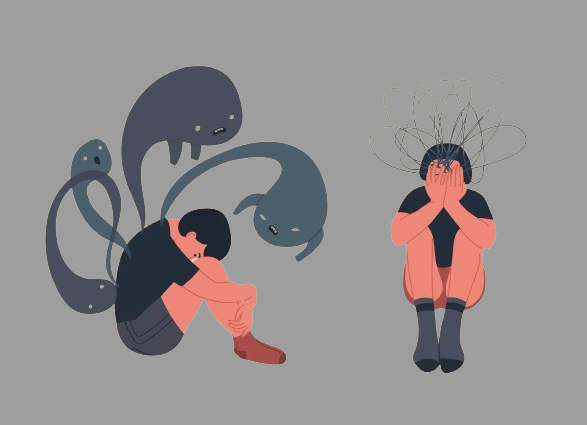
Sleep is one of the most fundamental biological needs, yet for millions of people, it is also one of the most elusive. Difficulty falling asleep, waking frequently during the night, early morning awakenings, or feeling unrefreshed despite adequate time in bed are all signs of sleep disturbances.
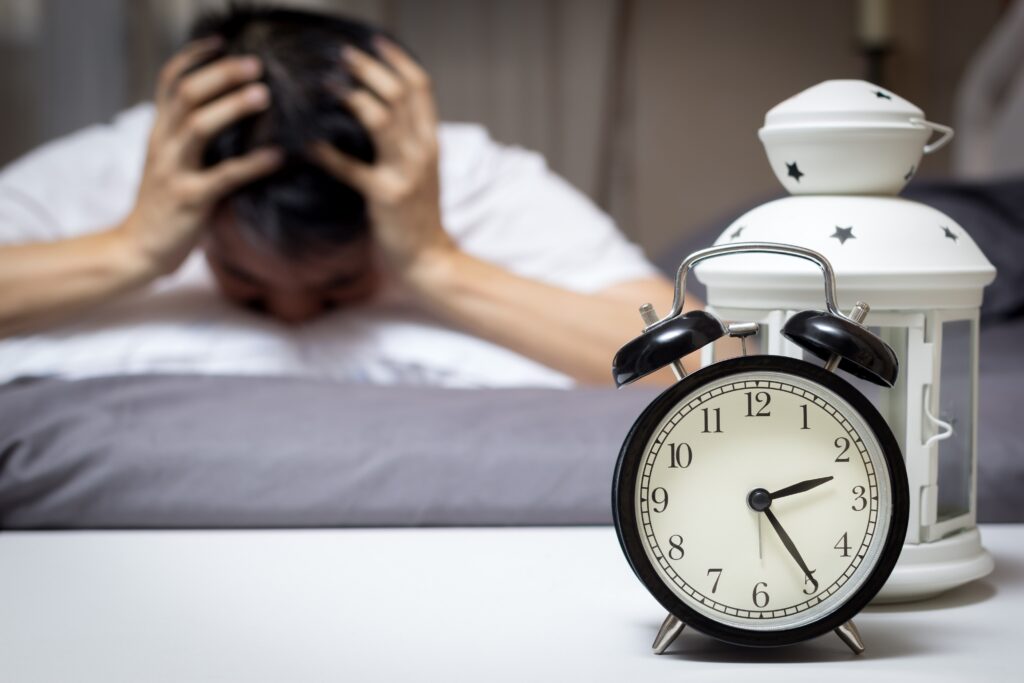
While occasional sleep disruption is a normal part of life, ongoing sleep problems can significantly impact physical health, mental well-being, emotional regulation, productivity, and quality of life. Over time, untreated sleep disturbances can increase the risk of chronic illness, mood disorders, accidents, and cognitive decline.
What Are Sleep Disturbances?
Sleep disturbances refer to persistent or recurring problems with the quality, timing, or duration of sleep that interfere with daily functioning. They may involve difficulty falling asleep, staying asleep, waking too early, abnormal movements or behaviors during sleep, or excessive sleepiness during the day.
Sleep Disturbances vs Sleep Disorders
- Sleep disturbances can be temporary or situational (stress, illness, travel).
- Sleep disorders are diagnosable medical conditions that require clinical evaluation and treatment.
Sleep disturbances become clinically significant when they:
- Occur at least 3 nights per week
- Persist for weeks or months
- Cause daytime impairment
What Are Examples of Sleep Disturbances?
Sleep disturbances can take many forms, ranging from mild disruptions to severe, chronic disorders.
1. Insomnia
- Difficulty falling asleep
- Difficulty staying asleep
- Waking too early
- Non-restorative sleep
Insomnia is the most common sleep disturbance, affecting up to one-third of adults at some point.
2. Sleep Apnea
- Repeated pauses in breathing during sleep
- Loud snoring
- Gasping or choking at night
- Excessive daytime sleepiness
Sleep apnea significantly increases the risk of cardiovascular disease and requires medical treatment.
3. Restless Legs Syndrome (RLS)
- Uncomfortable sensations in the legs
- Urge to move the legs, especially at night
- Difficulty relaxing into sleep
4. Parasomnias
Parasomnias involve abnormal behaviors during sleep, including:
- Nightmares
- Night terrors
- Sleepwalking
- Sleep talking
- REM sleep behavior disorder
5. Circadian Rhythm Sleep Disorders
These occur when the internal body clock is misaligned with external time cues:
- Delayed sleep-wake phase disorder
- Advanced sleep-wake phase disorder
- Shift-work sleep disorder
- Jet lag disorder
6. Hypersomnia
- Excessive daytime sleepiness
- Prolonged nighttime sleep
- Difficulty waking up
7. Trauma-Related Sleep Disturbances
- Nightmares
- Hyperarousal at night
- Fragmented sleep associated with PTSD
How Many Sleep Disturbances Are Normal?
Not all sleep disruptions indicate a disorder. Occasional sleep disturbance is normal, especially during periods of stress or life change.
Normal Sleep Disturbances May Include
- A few nights of poor sleep due to stress
- Temporary sleep issues during illness
- Short-term jet lag
- Occasional nighttime awakenings
When Sleep Disturbances Become a Problem
Sleep disturbances may require attention when they:
- Persist for more than 2–4 weeks
- Occur most nights
- Affect mood, concentration, or energy
- Lead to reliance on substances (alcohol, sleep aids)
Chronic sleep disturbance is not something to ignore, even if it has become familiar.
Causes of Sleep Disturbances
Sleep disturbances rarely have a single cause. They often result from interacting biological, psychological, and environmental factors.
Psychological and Emotional Factors
- Stress and chronic worry
- Anxiety disorders
- Depression
- Trauma and PTSD
- Hypervigilance
Medical and Neurological Conditions
- Chronic pain
- Respiratory disorders
- Hormonal imbalances
- Neurological conditions
- Gastrointestinal disorders
Lifestyle and Environmental Factors
- Irregular sleep schedules
- Excessive screen use
- Caffeine and alcohol
- Shift work
- Noise or light exposure
Medications and Substances
- Stimulants
- Antidepressants
- Steroids
- Decongestants
- Nicotine
Signs and Symptoms of Sleep Disorders
Physical Symptoms
- Daytime fatigue
- Headaches
- Muscle aches
- Weakened immune system
- Weight changes
Cognitive Symptoms
- Poor concentration
- Memory difficulties
- Slower reaction time
- Reduced decision-making ability
Emotional and Behavioral Symptoms
- Irritability
- Mood swings
- Anxiety
- Depression
- Reduced stress tolerance
How to Prevent Sleep Disorders
Prevention focuses on supporting the body’s natural sleep systems.
1. Sleep Hygiene Practices
- Consistent sleep and wake times
- Cool, dark, quiet bedroom
- Comfortable bedding
- Bed reserved for sleep and intimacy only
2. Lifestyle Habits
- Limit caffeine after midday
- Avoid alcohol before bed
- Regular physical activity (not late evening)
- Exposure to natural daylight
3. Evening Wind-Down Routine
- Reduce screen exposure
- Gentle stretching or reading
- Breathing or relaxation exercises
- Predictable bedtime routine
4. Stress Management
- Mindfulness practices
- Cognitive stress reduction
- Therapy or counseling
- Journaling before bed
What Are the 5 Types of Sleep Disorders Treatment?
Effective treatment depends on the underlying cause. Evidence-based approaches include:
1. Behavioral Treatments
- Cognitive Behavioral Therapy for Insomnia (CBT-I)
- Sleep restriction therapy
- Stimulus control therapy
CBT-I is considered the gold standard for chronic insomnia.
2. Lifestyle and Sleep Hygiene Interventions
- Schedule regulation
- Environmental adjustments
- Circadian rhythm alignment
3. Medical Treatments
- CPAP for sleep apnea
- Medication (short-term or targeted use)
- Treatment of underlying medical conditions
4. Psychological and Mental Health Treatment
- Therapy for anxiety or depression
- Trauma-informed care
- Treatment of PTSD-related sleep disturbances
5. Complementary and Integrative Therapies
- Relaxation training
- Mindfulness-based interventions
- Light therapy
- Biofeedback (where appropriate)
Sleep Disturbances and Mental Health
Sleep and mental health have a bidirectional relationship:
- Poor sleep worsens mental health
- Mental health conditions disrupt sleep
Conditions commonly linked to sleep disturbances include:
- Anxiety disorders
- Depression
- Bipolar disorder
- PTSD
- ADHD
Treating sleep often leads to significant improvement in mental health symptoms.
When to Seek Professional Help
Consider professional evaluation if:
- Sleep problems persist longer than a month
- Daytime functioning is impaired
- Snoring is loud or breathing stops during sleep
- Sleep disturbances are worsening
- Over-the-counter remedies are ineffective
Sleep specialists may recommend:
- Sleep diaries
- Actigraphy
- Polysomnography (sleep study)
Can Sleep Disturbances Be Cured?
Some sleep disturbances can be fully resolved, while others are managed long-term. The goal of treatment is:
- Restorative sleep
- Improved daytime functioning
- Reduced distress
- Sustainable sleep habits
With proper care, most people experience significant improvement.
FAQs
What are sleep disturbances?
Sleep disturbances are ongoing problems with sleep quality, timing, or duration that interfere with daily functioning.
Are sleep disturbances the same as insomnia?
No. Insomnia is one type of sleep disturbance. Others include sleep apnea, parasomnias, and circadian rhythm disorders.
How many nights of poor sleep are normal?
Occasional poor sleep is normal, but problems lasting more than 2–4 weeks may require attention.
Can sleep disturbances go away on their own?
Temporary disturbances may resolve, but chronic sleep issues usually need targeted treatment.
What is the most effective treatment for insomnia?
Cognitive Behavioral Therapy for Insomnia (CBT-I) is the most effective long-term treatment.
Can anxiety cause sleep disturbances?
Yes. Anxiety is a common cause of difficulty falling and staying asleep.
Compassionate Medical Disclaimer
This article is for educational purposes only and does not replace professional medical advice. If sleep disturbances are affecting your health or safety, consult a qualified healthcare provider.