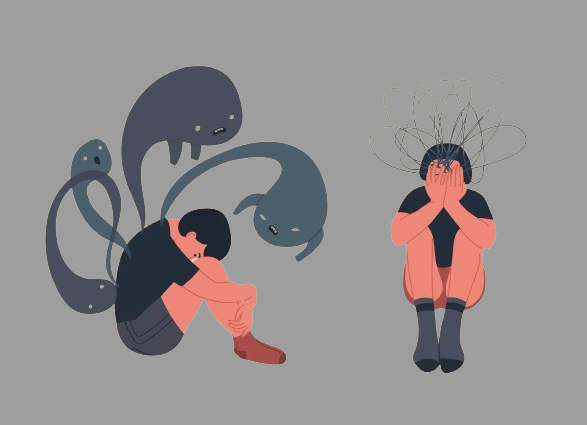
Selective Mutism is a complex anxiety disorder in which a person consistently fails to speak in certain social situations despite having the ability to communicate normally in others. Most commonly identified in childhood, selective mutism can significantly affect communication, education, social development, and emotional well-being. Children with the condition may speak freely at home with family members but remain completely silent in school, public places, or unfamiliar environments.

Although many people mistakenly believe selective mutism is simply extreme shyness, mental health professionals recognize it as a serious anxiety-related condition. According to the American Psychiatric Association, selective mutism is classified as an anxiety disorder and is formally described in the Diagnostic and Statistical Manual of Mental Disorders. The disorder involves intense social anxiety that prevents individuals from speaking in certain environments even when they want to.
Selective mutism typically begins during early childhood, often becoming noticeable when children start school and are expected to interact with teachers and peers. However, if untreated, the condition can continue into adolescence and adulthood, potentially affecting career opportunities, relationships, and daily functioning.
Understanding selective mutism is essential for parents, educators, and mental health professionals because early recognition and intervention can greatly improve outcomes. With proper treatment, therapy, and supportive environments, many individuals with selective mutism gradually develop confidence in speaking and communicating in social settings.
What Is Selective Mutism?
Selective mutism is an anxiety disorder characterized by a consistent inability to speak in certain social situations where speaking is expected, even though the individual can speak normally in other settings.
For example, a child with selective mutism may:
- speak comfortably at home
- talk freely with close family members
- remain completely silent at school
- avoid speaking with teachers or strangers
This silence is not intentional defiance or refusal to communicate. Instead, it results from intense anxiety that makes speaking extremely difficult or impossible in certain environments.
Age of Onset
Selective mutism usually begins between the ages of 3 and 6 years, but it often becomes more noticeable once children enter school.
Prevalence
Although relatively uncommon, research suggests that selective mutism affects approximately 0.3% to 1% of children, with girls being slightly more likely to develop the disorder than boys.
Difference Between Shyness and Selective Mutism
Shyness is a personality trait, while selective mutism is a clinical anxiety disorder. A shy child may take time to warm up socially, but a child with selective mutism experiences severe anxiety that prevents speech in specific situations.
Symptoms of Selective Mutism
The symptoms of selective mutism typically involve communication difficulties combined with signs of social anxiety.
Consistent Inability to Speak in Certain Situations
The most defining symptom is the inability to speak in environments where communication is expected, such as:
- classrooms
- social gatherings
- public places
- interactions with unfamiliar people
Despite this silence, individuals can usually speak normally in comfortable settings.
Anxiety Around Communication
Many individuals with selective mutism experience intense anxiety related to speaking. This anxiety may cause:
- fear of being judged
- worry about making mistakes
- avoidance of conversations
Avoidance of Eye Contact
Children and adults with selective mutism may avoid eye contact or appear uncomfortable when attention is directed toward them.
Limited Social Interaction
Social withdrawal is common. Individuals may:
- avoid group activities
- remain quiet in social settings
- communicate through gestures instead of speech
Physical Signs of Anxiety
Because selective mutism is strongly linked to anxiety, physical symptoms may also occur, including:
- muscle tension
- freezing or appearing “stiff”
- nervous facial expressions
- stomach discomfort before social interactions
What Causes Selective Mutism?
The exact causes of selective mutism are not completely understood, but research suggests that several psychological and environmental factors may contribute to its development.
Social Anxiety Disorder
Selective mutism is strongly linked to social anxiety disorder, a condition involving intense fear of social interactions.
People with selective mutism often experience overwhelming anxiety when they are expected to speak in public or unfamiliar situations.
Genetic Influences
Some children may have a genetic predisposition to anxiety disorders. If anxiety conditions run in a family, the risk of developing selective mutism may increase.
Temperament and Personality Traits
Children who are naturally:
- shy
- cautious
- sensitive to new environments
may be more vulnerable to developing selective mutism.
Environmental Factors
Certain environmental experiences may contribute to the disorder, such as:
- stressful social environments
- frequent moves or changes in school
- limited social exposure during early childhood
Developmental Factors
Speech or language development challenges can sometimes increase communication anxiety, making children more reluctant to speak in social settings.
Is Selective Mutism Anxiety or Autism?
One of the most common questions people ask is whether selective mutism is related to autism.
Selective mutism is primarily considered an anxiety disorder, not a developmental condition. However, some symptoms may appear similar to those seen in
Autism Spectrum Disorder.
Key Differences
Selective mutism usually involves:
- normal social understanding
- strong desire to communicate
- speech ability in comfortable environments
Autism spectrum disorder typically involves:
- broader communication challenges
- difficulties with social interaction across all settings
- repetitive behaviors or restricted interests
Although both conditions can affect communication, their underlying causes and behavioral patterns differ significantly.
How Do I Know If I Have Selective Mutism?
Recognizing selective mutism requires observing patterns of communication behavior over time.
Common signs include:
- speaking normally at home but not in public
- persistent silence at school or work
- anxiety when expected to speak
- using gestures instead of verbal communication
Diagnostic Process
Mental health professionals evaluate selective mutism through:
- psychological interviews
- behavioral observations
- developmental history
- communication assessments
Diagnosis usually requires symptoms to persist for at least one month and interfere with social or academic functioning.
How Selective Mutism Affects Daily Life
Selective mutism can influence many aspects of daily life, particularly when the condition is not recognized or treated early.
School Challenges
Children with selective mutism may struggle in school because they cannot:
- answer questions in class
- participate in discussions
- ask for help from teachers
Social Isolation
Because communication becomes difficult, individuals may withdraw from social interactions, leading to feelings of loneliness.
Emotional Stress
The inability to speak in certain situations can cause significant emotional distress and frustration.
Impact on Adulthood
If selective mutism continues into adulthood, it may affect:
- job interviews
- workplace communication
- forming relationships
Treatment for Selective Mutism
Effective treatment focuses on reducing anxiety and gradually building confidence in communication.
Cognitive Behavioral Therapy (CBT)
CBT is one of the most widely used therapies for selective mutism. It helps individuals identify anxious thoughts and replace them with healthier thinking patterns.
Behavioral Therapy Techniques
Therapists often use gradual exposure techniques, allowing individuals to slowly become comfortable speaking in new environments.
Examples include:
- speaking with one trusted person first
- gradually introducing new listeners
- practicing communication in safe settings
Family Involvement
Parents and caregivers play an important role in supporting recovery. Encouraging communication without applying pressure can help reduce anxiety.
Medication in Severe Cases
In some situations, doctors may recommend medication to help manage severe anxiety symptoms while therapy is ongoing.
Can You Cure Selective Mutism?
Selective mutism can often be successfully treated, especially when intervention begins early.
Many children gradually gain the confidence to speak in social environments through therapy and supportive environments.
However, progress may take time because treatment focuses on reducing anxiety rather than forcing speech.
How Long Does It Take to Overcome Selective Mutism?
Recovery timelines vary widely from person to person.
Several factors influence how quickly improvement occurs:
- age at diagnosis
- severity of anxiety
- consistency of therapy
- support from family and teachers
Some individuals show significant improvement within months, while others may need longer-term support.
Early intervention usually leads to the best outcomes.
How to Help Someone With Selective Mutism
Parents, teachers, and caregivers can support individuals with selective mutism through patience and understanding.
Helpful strategies include:
Create a Supportive Environment
Avoid putting pressure on the person to speak immediately.
Encourage Gradual Communication
Allow communication through gestures, writing, or nodding while confidence develops.
Celebrate Small Progress
Recognizing small communication achievements can boost motivation and confidence.
Work With Mental Health Professionals
Professional guidance can help develop structured treatment plans.
Frequently Asked Questions About Selective Mutism
Can adults have selective mutism?
Yes. Although selective mutism usually begins in childhood, some individuals continue experiencing symptoms into adulthood.
Is selective mutism rare?
Selective mutism is relatively uncommon but may be underdiagnosed because many children appear simply shy.
What triggers selective mutism?
Triggers often include social anxiety, unfamiliar environments, or situations involving communication pressure.
Is selective mutism linked to trauma?
While trauma is not always a cause, stressful experiences may increase anxiety levels and contribute to communication difficulties.
Can therapy improve selective mutism?
Yes. Evidence-based therapies such as cognitive behavioral therapy can significantly improve communication confidence and reduce anxiety.
Conclusion
Selective mutism is a complex anxiety disorder that affects a person’s ability to speak in certain social environments. Although individuals with the condition may communicate comfortably with trusted people, intense anxiety can prevent them from speaking in other situations such as school, work, or public settings.
Understanding the symptoms, causes, and treatment options for selective mutism is essential for providing effective support. Early recognition, professional therapy, and supportive environments can help individuals gradually build confidence in communication.
With patience, understanding, and appropriate mental health care, many people with selective mutism are able to overcome communication barriers and develop the skills needed to thrive socially and emotionally.