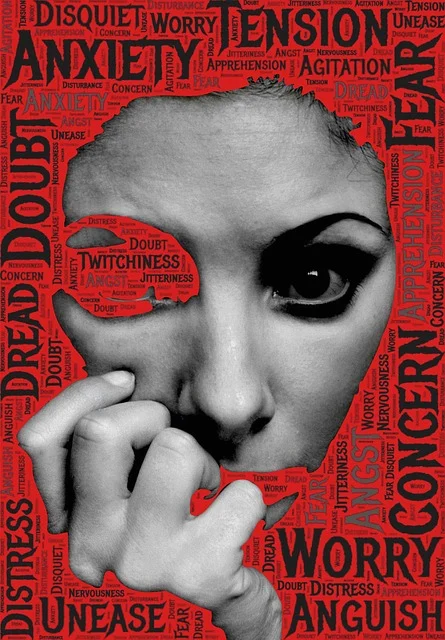
Persistent Depressive Disorder is a long-term form of depression that can quietly affect every aspect of a person’s life. Unlike major depressive episodes that may come and go, this condition involves a continuous low mood lasting for years.
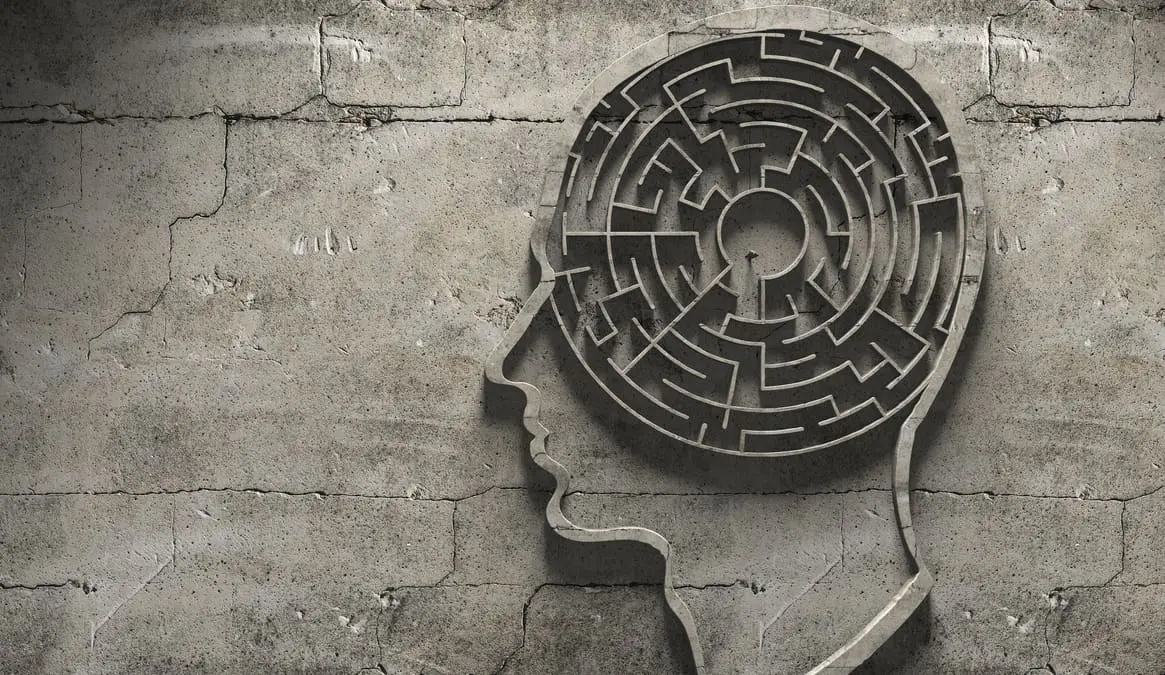
Often referred to as dysthymia, Persistent Depressive Disorder (PDD) may not always feel as intense as major depression—but its chronic nature can make it just as impactful. In this comprehensive guide, we’ll explore symptoms, causes, diagnosis, treatment options, and practical ways to cope and live a fulfilling life.
What Is Persistent Depressive Disorder?
Persistent Depressive Disorder is a chronic mood disorder characterized by a depressed mood that lasts for at least:
- 2 years in adults
- 1 year in children and adolescents
People with PDD often describe their mood as:
- Constantly low
- Hopeless or pessimistic
- Emotionally drained
Because symptoms can feel “normal” over time, many individuals don’t realize they are dealing with a treatable mental health condition.
Persistent Depressive Disorder Symptoms
Symptoms are typically less severe than major depression but last much longer.
Common Symptoms
- Ongoing sadness or low mood
- Loss of interest in daily activities
- Fatigue or low energy
- Poor concentration
- Low self-esteem
- Sleep disturbances (too much or too little)
- Changes in appetite
- Feelings of hopelessness
Emotional & Behavioral Patterns
People with PDD may:
- Struggle to feel joy (anhedonia)
- Avoid social interactions
- Be overly self-critical
- Feel “stuck” in life
What Causes Persistent Depressive Disorder?
There is no single cause, but several contributing factors:
1. Biological Factors
- Brain chemistry imbalances
- Neurotransmitter dysfunction (e.g., serotonin)
2. Genetics
A family history of depression increases risk.
3. Environmental Factors
- Chronic stress
- Trauma or loss
- Neglect or difficult upbringing
4. Personality Traits
People who are naturally more pessimistic or self-critical may be more vulnerable.
Persistent Depressive Disorder vs Major Depression
| Feature | Persistent Depressive Disorder | Major Depression |
|---|---|---|
| Duration | Long-term (years) | Shorter episodes |
| Severity | Mild to moderate | Moderate to severe |
| Pattern | Continuous | Episodic |
| Awareness | Often unnoticed | More noticeable |
Some people may experience “double depression”, where major depressive episodes occur on top of PDD.
How Is Persistent Depressive Disorder Diagnosed?
Diagnosis is made by a mental health professional using clinical criteria.
Diagnostic Process
- Psychological evaluation
- Medical history review
- Symptom duration assessment
Criteria often follow the DSM-5 guidelines, requiring persistent symptoms over a long period.
Is Persistent Depressive Disorder Serious?
Yes—while symptoms may seem mild, the long-term effects can be significant.
Potential Impacts
- Reduced quality of life
- Strained relationships
- Poor work or academic performance
- Increased risk of major depression
Ignoring the condition can lead to worsening mental health over time.
Persistent Depressive Disorder Treatment
Treatment is effective and often involves a combination of approaches.
1. Psychotherapy (First-Line Treatment)
Cognitive Behavioral Therapy (CBT)
- Helps identify negative thought patterns
- Teaches coping strategies
Interpersonal Therapy
- Focuses on relationships and communication
Psychodynamic Therapy
- Explores underlying emotional conflicts
2. Medication
Doctors may prescribe:
- Antidepressants (SSRIs, SNRIs)
- Mood stabilizers (in some cases)
Medication is often combined with therapy for best results.
3. Lifestyle Changes
- Regular exercise
- Healthy sleep routine
- Balanced diet
- Mindfulness and stress reduction
How to Cope With Persistent Depressive Disorder
For Individuals
- Set small, realistic goals
- Practice self-compassion
- Stay socially connected
- Track mood patterns
- Seek consistent therapy
For Family & Friends
- Offer emotional support
- Encourage professional help
- Avoid judgment or criticism
- Be patient with progress
Living With Persistent Depressive Disorder
Living with PDD can feel like carrying a constant emotional weight—but improvement is possible.
Daily Challenges
- Low motivation
- Difficulty experiencing joy
- Chronic fatigue
- Negative thinking loops
Positive Outlook
With treatment and support:
- Symptoms can become manageable
- Energy and mood can improve
- Life satisfaction can increase
Early Signs of Persistent Depressive Disorder
Recognizing early signs can prevent long-term impact.
Warning Signs
- Persistent sadness lasting months
- Lack of enthusiasm
- Withdrawal from social life
- Constant fatigue
- Negative self-image
Is Persistent Depressive Disorder Curable?
PDD is not always “curable,” but it is highly treatable.
Many people:
- Learn to manage symptoms effectively
- Experience long periods of improvement
- Lead productive and fulfilling lives
When to Seek Professional Help
Seek help if:
- Low mood lasts for months or years
- Daily functioning is affected
- You feel hopeless or stuck
- Relationships or work suffer
Early intervention leads to better outcomes.
Final Thoughts
Persistent Depressive Disorder is often overlooked because of its subtle but long-lasting nature. However, its impact is real—and so is the possibility of recovery.
With the right combination of therapy, lifestyle changes, and support, individuals can regain control over their mental health and build a meaningful life.