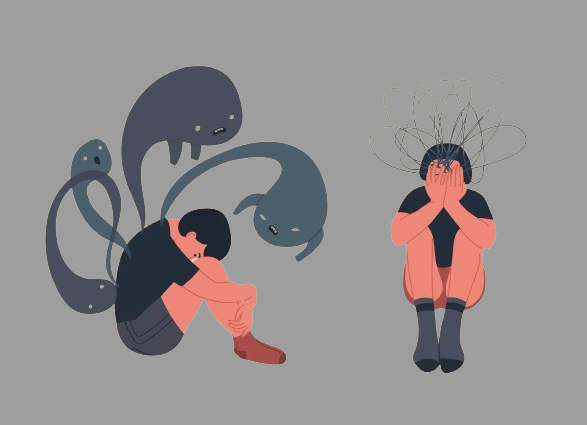
Histrionic Personality Disorder is a complex mental health condition characterized by intense emotionality and a strong desire for attention and approval. People with this disorder often display dramatic, expressive, and sometimes exaggerated behaviors to stay at the center of attention.

Understanding Histrionic Personality Disorder is essential—not just for those experiencing it, but also for families, partners, and mental health professionals. In this detailed guide, we’ll explore its symptoms, causes, diagnosis, treatment, and how it affects relationships and daily life.
What Is Histrionic Personality Disorder?
Histrionic Personality Disorder (HPD) is part of the Cluster B personality disorders, which are known for dramatic, emotional, and erratic behavior patterns.
People with HPD tend to:
- Constantly seek attention
- Feel uncomfortable when not the center of focus
- Display rapidly shifting emotions
- Use appearance or behavior to draw attention
This condition often begins in early adulthood and can impact relationships, work, and self-esteem.
Histrionic Personality Disorder Symptoms
Recognizing symptoms early can help in proper diagnosis and treatment.
Common Signs of Histrionic Personality Disorder
- Excessive emotional expression
- Strong need for approval and validation
- Dramatic or theatrical behavior
- Easily influenced by others
- Shallow and rapidly changing emotions
- Overly concerned with physical appearance
- Belief that relationships are more intimate than they are
Emotional and Behavioral Traits
People with HPD may:
- Speak in a vague or impressionistic way
- Overreact to minor situations
- Constantly seek reassurance
- Be highly sensitive to criticism
What Causes Histrionic Personality Disorder?
There is no single cause, but multiple factors contribute:
1. Genetic Factors
A family history of personality disorders or mental illness can increase risk.
2. Childhood Environment
- Lack of consistent attention
- Overly dramatic or rewarding environments
- Unpredictable parenting styles
3. Learned Behavior
Children who learn that dramatic behavior gets attention may carry this into adulthood.
How Is Histrionic Personality Disorder Diagnosed?
Diagnosis is typically made by a licensed mental health professional using criteria from the DSM-5 (Diagnostic and Statistical Manual of Mental Disorders).
Diagnosis Includes:
- Psychological evaluation
- Behavioral assessment
- Detailed personal and medical history
There is no single test—diagnosis is based on patterns of behavior over time.
Histrionic Personality Disorder in Men vs Women
Although diagnosed more frequently in women, HPD affects both genders.
In Women
- More likely to display emotional expressiveness
- May use physical appearance for attention
In Men
- Attention-seeking may appear as charm or dominance
- May engage in risk-taking or dramatic storytelling
Histrionic Personality Disorder in Relationships
Relationships can be challenging for individuals with HPD.
Common Relationship Issues
- Constant need for reassurance
- Emotional overreactions
- Misinterpretation of closeness
- Difficulty maintaining long-term stability
Impact on Partners
Partners may feel:
- Emotionally drained
- Manipulated unintentionally
- Confused by inconsistent emotions
Difference Between Histrionic and Narcissistic Personality Disorder
While both involve attention-seeking, they differ significantly:
| Trait | Histrionic | Narcissistic |
|---|---|---|
| Emotional Expression | Highly emotional | Less emotional |
| Attention Style | Dramatic, expressive | Dominant, superiority-based |
| Self-Image | Seeks approval | Feels superior |
Can Histrionic Personality Disorder Be Treated?
Yes, treatment is possible and often effective with consistency.
Histrionic Personality Disorder Treatment
1. Psychotherapy (Primary Treatment)
Talk therapy is the most effective approach.
Types of Therapy
- Cognitive Behavioral Therapy (CBT)
- Psychodynamic therapy
- Supportive therapy
2. Medication
There is no specific medication for HPD, but doctors may prescribe:
- Antidepressants
- Anti-anxiety medications
3. Group Therapy
Helps improve interpersonal skills and self-awareness.
How to Cope With Histrionic Personality Disorder
For Individuals
- Practice self-awareness
- Develop emotional regulation skills
- Avoid seeking validation externally
- Build healthy relationships
For Family & Friends
- Set clear boundaries
- Avoid reinforcing attention-seeking behavior
- Encourage professional help
Living With Histrionic Personality Disorder
Managing HPD requires ongoing effort, but improvement is possible.
Daily Challenges
- Maintaining stable relationships
- Managing emotional reactions
- Avoiding impulsive behavior
Positive Outlook
With proper treatment:
- Emotional stability improves
- Relationships become healthier
- Self-esteem becomes more internalized
Early Signs of Histrionic Personality Disorder
Early detection can help reduce long-term impact.
Warning Signs
- Excessive need for attention in childhood
- Dramatic emotional reactions
- Difficulty being alone
- Strong desire for approval
Is Histrionic Personality Disorder Curable?
HPD is not “curable” in the traditional sense, but it is highly manageable.
With therapy and support:
- Symptoms can significantly reduce
- Behavior patterns can change
- Quality of life improves
When to Seek Professional Help
You should consider professional help if:
- Behavior affects relationships
- Emotional reactions feel uncontrollable
- There is constant need for validation
- Daily functioning is impaired
Final Thoughts
Histrionic Personality Disorder is often misunderstood, but with awareness, compassion, and proper treatment, individuals can lead balanced and fulfilling lives.
If you or someone you know shows signs of this condition, seeking professional guidance can be a powerful first step toward healing and stability.