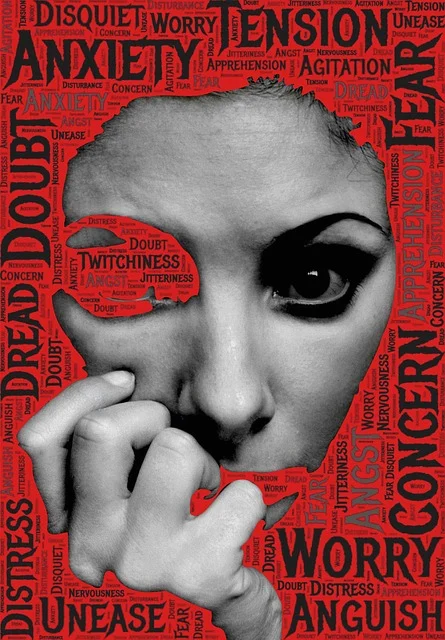
Gender dysphoria is a psychological experience in which a person feels distress because their gender identity does not align with the sex assigned to them at birth. While conversations about gender identity have become more visible in recent years, many people still have questions about what gender dysphoria is, how it feels, and what kind of support or treatment options exist.
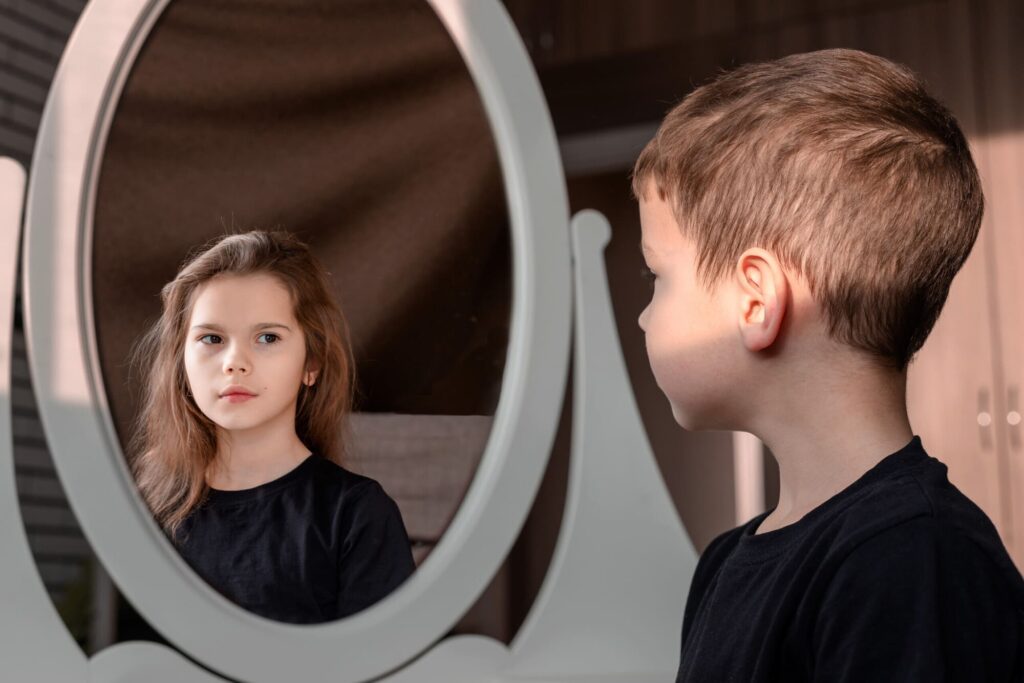
For some individuals, the feeling may appear early in childhood, while for others it may emerge later during adolescence or adulthood. The experience can range from mild discomfort to significant emotional distress that affects daily life, relationships, and mental health.
Understanding gender dysphoria requires compassion, accurate information, and awareness that every person’s experience is unique. Some people seek social changes, therapy, or medical care to align their identity with their lived experience, while others focus on psychological coping and identity exploration.
How Do You Explain Gender Dysphoria?
Gender dysphoria refers to emotional distress that arises when a person’s internal sense of gender does not match the gender they were assigned at birth.
To understand this concept clearly, it helps to distinguish between several related ideas.
Gender Identity
Gender identity refers to a person’s internal sense of being male, female, both, neither, or somewhere along a spectrum. It is how individuals experience their gender internally.
Biological Sex
Biological sex usually refers to physical characteristics such as chromosomes, hormones, and reproductive anatomy that are typically categorized as male or female.
Gender Expression
Gender expression describes how a person presents their gender outwardly through clothing, behavior, voice, and appearance.
When someone experiences gender dysphoria, there is often a disconnect between their internal identity and the body or social expectations associated with their assigned gender. This mismatch can lead to emotional discomfort, confusion, or distress.
It is important to note that not all people who question their gender identity experience gender dysphoria, and experiences vary widely between individuals.
What Are the Signs of Gender Dysphoria?
The signs of gender dysphoria can appear differently depending on the person, their age, and their social environment. Some people notice these feelings early in life, while others may only recognize them later.
Below are common signs often associated with gender dysphoria.
Persistent Discomfort With Assigned Gender
Individuals may feel uncomfortable being referred to or treated as the gender they were assigned at birth.
Strong Desire to Be Recognized as Another Gender
A person may express a strong wish to be perceived socially as another gender.
Distress About Physical Characteristics
Some individuals feel discomfort with specific physical traits associated with their assigned sex, such as:
- voice
- body shape
- facial features
- reproductive anatomy
Preference for Different Gender Roles
A person may prefer clothing, activities, or social roles traditionally associated with another gender.
Feeling That One’s True Gender Is Different
Some individuals feel strongly that their internal identity does not match the expectations placed upon them.
Emotional Distress Related to Gender Identity
In more severe cases, gender dysphoria can lead to:
- anxiety
- depression
- social withdrawal
- identity confusion
It is important to understand that experiencing one or two of these signs does not automatically mean someone has gender dysphoria. Professional assessment may be needed when distress significantly impacts well-being.
What Does It Feel Like to Experience Gender Dysphoria?
Many people ask: What does it feel like to experience gender dysphoria?
While each person’s experience is unique, several emotional themes commonly appear.
Identity Conflict
Some individuals describe feeling as though their internal identity does not match how others see them.
This can lead to confusion and frustration about how to express themselves authentically.
Emotional Distress
When identity and external expectations conflict, emotional discomfort may arise. People may feel misunderstood, isolated, or unable to fully express who they are.
Social Anxiety
Being addressed or treated in ways that conflict with one’s identity can lead to social discomfort. Some individuals may avoid social situations due to fear of judgment.
Feeling Misunderstood
Gender dysphoria may create a sense that others do not recognize or validate one’s identity.
This can contribute to feelings of loneliness or emotional isolation.
Body Discomfort
Some individuals experience distress when looking at or thinking about certain aspects of their body that feel inconsistent with their identity.
This experience can vary greatly in intensity.
Causes and Contributing Factors of Gender Dysphoria
Researchers agree that there is no single cause of gender dysphoria. Instead, it likely develops through a combination of biological, psychological, and environmental influences.
Biological Factors
Some researchers suggest that hormonal influences during early brain development may play a role in shaping gender identity.
However, scientific understanding is still evolving.
Psychological Development
Identity formation is a complex process that occurs throughout childhood and adolescence.
Personal experiences and self-reflection may influence how individuals understand their gender identity.
Social and Environmental Influences
Cultural expectations, family dynamics, and social experiences may also shape how individuals explore and express gender.
Individual Variation
Each person’s experience of gender identity is unique. Two individuals with gender dysphoria may have completely different life experiences, coping strategies, and perspectives.
Psychological Effects of Gender Dysphoria
Because gender dysphoria involves identity-related distress, it can sometimes impact mental health.
Common psychological effects may include:
- chronic stress
- anxiety
- low self-esteem
- social isolation
These effects often arise not only from internal conflict but also from external social pressures or lack of acceptance.
Supportive environments and mental health resources can significantly improve emotional well-being.
Can Gender Dysphoria Be Cured Without Transitioning?
A frequently asked question is whether gender dysphoria can be cured without transitioning.
The answer varies depending on the individual and their personal circumstances.
Some people manage gender dysphoria through:
- counseling
- identity exploration
- social support
- stress management strategies
Mental health professionals may help individuals explore their feelings, understand their identity, and develop coping mechanisms.
For some individuals, transitioning socially or medically may reduce distress. For others, therapy and self-understanding alone may be sufficient.
The most important factor is personal well-being and informed decision-making with professional guidance.
Treatment and Support Options
Support for gender dysphoria can involve several different approaches depending on the individual’s needs.
Mental Health Counseling
Therapists can help individuals explore their identity, cope with emotional distress, and build self-acceptance.
Identity Exploration
Some people benefit from exploring their gender identity through reflection, journaling, or discussions with supportive professionals.
Social Support
Supportive communities and peer groups can reduce feelings of isolation and provide understanding from others with similar experiences.
Medical Consultation
Some individuals choose to consult healthcare professionals about medical options. These decisions are typically made carefully with expert guidance.
Living With Gender Dysphoria
Living with gender dysphoria can be challenging, but many individuals find ways to improve their well-being and emotional resilience.
Helpful strategies may include:
Building Supportive Relationships
Connecting with understanding friends, family members, or community groups can provide emotional validation.
Practicing Self-Acceptance
Self-compassion and acceptance can reduce internal conflict and support mental health.
Developing Coping Skills
Stress management techniques such as mindfulness, therapy, and creative expression can help manage emotional distress.
Learning About Identity
Education about gender identity can help individuals better understand their experiences and feelings.
Supporting Someone With Gender Dysphoria
Family members and friends play an important role in emotional support.
Ways to provide support include:
- listening without judgment
- respecting identity and personal experiences
- educating oneself about gender identity
- encouraging access to professional mental health support
Supportive environments often reduce distress and improve mental well-being.
When to Seek Professional Help
Professional help may be beneficial if gender dysphoria leads to:
- persistent emotional distress
- anxiety or depression
- difficulty functioning in daily life
- identity confusion that feels overwhelming
Mental health professionals trained in identity-related issues can provide guidance, counseling, and support.
Conclusion
Gender dysphoria is a complex psychological experience that involves distress related to a mismatch between gender identity and assigned sex. While experiences vary greatly between individuals, understanding this condition can help reduce confusion, stigma, and misinformation.
Education, empathy, and supportive environments play a crucial role in helping individuals navigate identity challenges and emotional well-being.
For many people, access to accurate information, supportive communities, and mental health resources can significantly improve quality of life. Ultimately, every person deserves the opportunity to explore their identity in a safe, respectful, and informed environment.