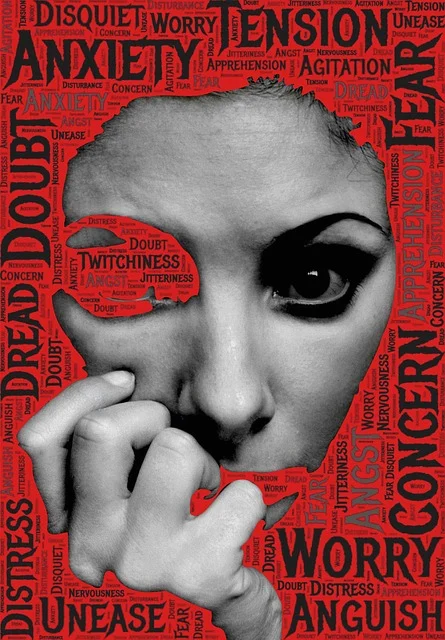
Understanding emotional flashbacks vs panic attacks is important because they come from different roots — even though they can feel similar on the surface.
When intense fear or overwhelming emotions hit, it can be hard to tell what’s happening inside your body. Your heart may race. Your chest may tighten. You may feel sudden dread, shame, or emotional collapse.

Many people wonder:
Is this anxiety? A panic attack? Or something deeper?
One is often linked to anxiety disorders.
The other is strongly connected to trauma — especially complex trauma.
Neither means you are weak.
Both are nervous system survival responses.
Let’s break this down clearly and gently.
What Are Emotional Flashbacks?
Emotional flashbacks are intense emotional regressions to past trauma — without necessarily seeing images or memories.
Unlike traditional PTSD flashbacks (which may include visual memories), emotional flashbacks are primarily felt experiences.
You suddenly feel:
- Deep shame
- Abandonment
- Worthlessness
- Terror
- Helplessness
- Rejection
And it feels current, even if nothing obvious just happened.
Key Characteristics
- No visual memory required
- Emotional intensity feels overwhelming
- Often linked to childhood trauma
- Can last minutes or hours
- May feel like becoming “younger” emotionally
Many people with complex PTSD (C-PTSD) describe emotional flashbacks as:
“Suddenly feeling like a terrified child again.”
What Are Panic Attacks?
Panic attacks are sudden surges of intense fear or discomfort that peak within minutes.
They activate the fight-or-flight response strongly.
According to the Diagnostic and Statistical Manual of Mental Disorders (DSM-5) published by the Diagnostic and Statistical Manual of Mental Disorders, panic attacks include intense physical symptoms.
Common Panic Attack Symptoms
- Racing heart
- Shortness of breath
- Sweating
- Trembling
- Chest pain
- Dizziness
- Fear of dying
- Fear of losing control
Panic attacks often feel life-threatening — even when they aren’t.
They are strongly linked to anxiety disorders, though trauma can also trigger them.
Emotional Flashbacks vs Panic Attacks – Key Differences
Here’s a clear comparison:
| Feature | Emotional Flashbacks | Panic Attacks |
|---|---|---|
| Root Cause | Trauma (often childhood) | Anxiety, stress, sometimes trauma |
| Emotional Core | Shame, abandonment, fear | Intense fear of danger or death |
| Physical Symptoms | May be mild or moderate | Often severe and physical |
| Memory Component | Emotional regression | Usually no trauma memory |
| Duration | Minutes to hours | Peaks in 10–20 minutes |
| Nervous System Mode | Freeze / collapse | Fight or flight |
Both activate the stress response — but differently.
What Are Emotional Flashbacks a Symptom Of?
Emotional flashbacks are most commonly associated with complex PTSD (C-PTSD).
While C-PTSD is not separately listed in the DSM-5, trauma-related symptoms are recognized under PTSD criteria.
Emotional flashbacks may stem from:
- Childhood emotional neglect
- Chronic criticism
- Attachment trauma
- Abuse
- Growing up in unpredictable environments
- Long-term invalidation
They are often signs of unresolved developmental trauma.
What Are Panic Attacks a Symptom Of?
Panic attacks may occur in:
- Panic disorder
- Generalized anxiety disorder
- Social anxiety disorder
- PTSD
- High stress periods
Some people experience isolated panic attacks without a long-term anxiety disorder.
Can Flashbacks Cause Panic Attacks?
Yes.
When comparing emotional flashbacks vs panic attacks, it’s important to understand they can overlap.
An emotional flashback may:
- Trigger intense shame or fear
- Overload the nervous system
- Escalate into fight-or-flight
- Become a panic attack
In this case, trauma activation comes first — panic follows.
Understanding which came first helps guide healing.
What Are the Symptoms of Psychological Trauma?
Psychological trauma affects both mind and body.
Common symptoms include:
- Hypervigilance
- Emotional numbness
- Dissociation
- Startle response
- Sleep disturbances
- Intrusive memories
- Avoidance
- Shame
- Difficulty trusting others
Trauma lives in the nervous system — not just in memory.
Why Emotional Flashbacks Feel Like You’re “Overreacting”
One painful part of emotional flashbacks is confusion.
You may think:
- “Why am I reacting so strongly?”
- “This doesn’t make sense.”
- “I must be too sensitive.”
But emotional flashbacks activate old survival states.
Your body is reacting to the past — even if your mind knows you are safe.
Why Panic Attacks Feel Life-Threatening
Panic attacks trigger intense adrenaline.
Your body believes:
“There is immediate danger.”
Even if you’re sitting safely at home.
This is why panic attacks feel:
- Urgent
- Physical
- Terrifying
- Hard to control
Your nervous system is trying to protect you.
The Nervous System Explanation (Simple Version)
Your body has three main survival responses:
- Fight
- Flight
- Freeze
These responses are automatic.
The concept is expanded in polyvagal theory, developed by Stephen Porges.
In Simple Terms:
- Panic attacks = fight or flight overload
- Emotional flashbacks = freeze or collapse response
Both are protective mechanisms.
Emotional Flashbacks in Relationships
Triggers often include:
- Conflict
- Silence
- Perceived rejection
- Tone of voice changes
- Feeling ignored
A minor disagreement may activate deep abandonment fear.
This isn’t about being dramatic.
It’s about attachment wounds.
Panic Attacks in Public or at Work
Common triggers:
- Presentations
- Crowded spaces
- Deadlines
- Health anxiety
Panic attacks often center around immediate physical fear.
They may feel embarrassing — but they are common.
Can You Have Both?
Yes.
Many trauma survivors experience both emotional flashbacks and panic attacks.
The nervous system may move from:
Freeze → Fight/Flight → Panic
Healing often requires addressing both trauma and anxiety patterns.
How to Heal Emotional Flashbacks
Healing emotional flashbacks focuses on trauma recovery.
Helpful Approaches
- Trauma-informed therapy
- EMDR
- Somatic experiencing
- Trauma-focused CBT
- Inner child work
- Nervous system regulation
Grounding Techniques
- Naming 5 things you see
- Slow breathing
- Cold water on wrists
- Gentle self-talk
- Movement
Healing is gradual — not instant.
How to Manage Panic Attacks
Panic responds well to:
- Breath retraining
- Cognitive restructuring
- Exposure therapy
- Reducing avoidance
- Physical grounding
Learning that panic is uncomfortable — but not dangerous — reduces fear cycles.
Supporting Someone Experiencing Either
What helps:
- Calm presence
- Gentle reassurance
- No shaming
- Slow breathing together
- Asking what they need
What doesn’t help:
- “Just relax.”
- “You’re overreacting.”
- Minimizing their experience
When to Seek Professional Help
Seek support if:
- Symptoms interfere with daily life
- You avoid many situations
- You feel emotionally overwhelmed often
- Trauma memories feel intrusive
- You fear losing control
Licensed mental health professionals can assess properly.
This article is informational and not a substitute for medical advice.
Long-Term Recovery Outlook
Healing is possible.
The nervous system is adaptable.
With consistent support:
- Panic attacks can reduce
- Emotional flashbacks can soften
- Triggers become manageable
- Emotional resilience grows
Trauma responses are not personality flaws.
They are survival adaptations.
Final Thoughts on Emotional Flashbacks vs Panic Attacks
Understanding emotional flashbacks vs panic attacks brings clarity.
One often stems from trauma memory stored emotionally.
The other is an anxiety surge centered around physical danger.
Both are protective.
Both can be healed.
Neither defines your strength or worth.
Recovery is possible — step by step.
If you recognize yourself in this article, consider reaching out to a trauma-informed therapist for personalized support.
You deserve safety — inside your body.