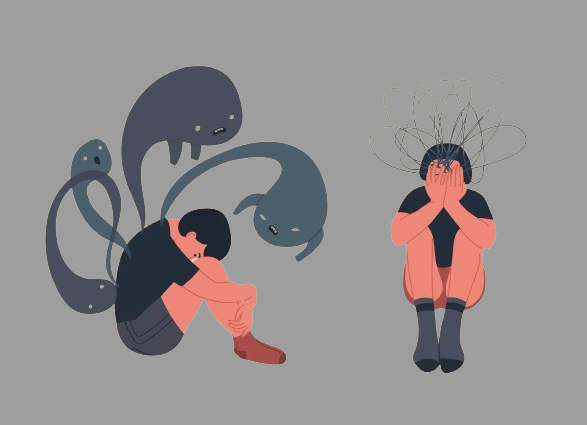
Chronic fear disorder symptoms can quietly take over a person’s life, creating a constant sense that something bad is about to happen—even when there is no real danger present. Unlike normal fear, which helps us respond to threats and then fades away, chronic fear lingers. It settles into the body and mind, affecting emotions, thoughts, physical health, and daily functioning.
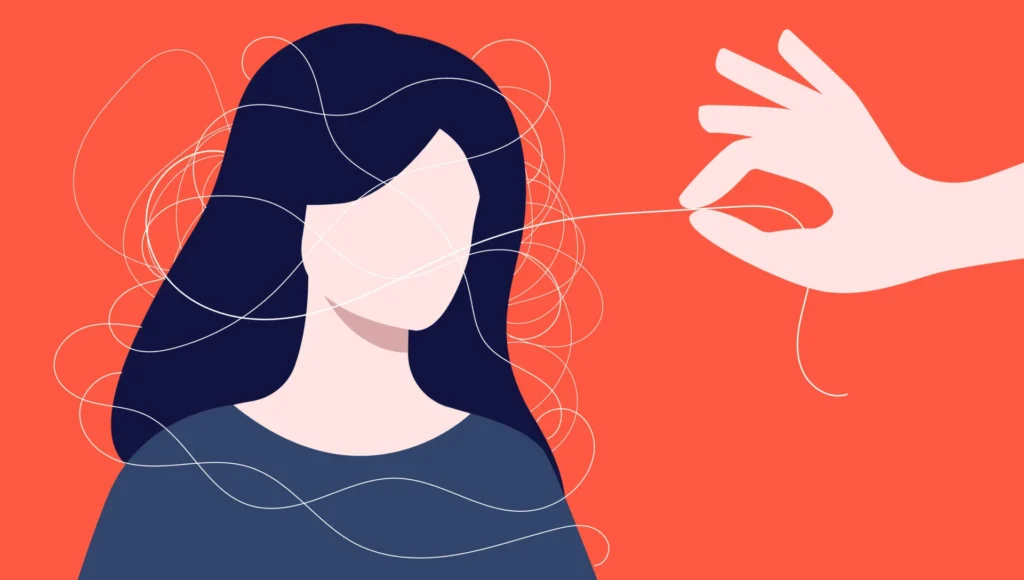
Many people live with persistent fear for years without realizing that what they are experiencing has a name or that it is treatable. They may describe it as always being on edge, never feeling safe, or constantly expecting the worst. Over time, this ongoing fear can evolve into a chronic anxiety condition that disrupts relationships, work, sleep, and overall well-being.
What Is Chronic Fear Disorder?
Chronic fear disorder is not always a formal diagnosis on its own, but it describes a persistent state of fear and anxiety that remains active for months or years. It is commonly associated with conditions such as:
- Generalized Anxiety Disorder (GAD)
- Panic disorder
- Trauma-related disorders
- Chronic stress and nervous system dysregulation
What makes chronic fear different from normal fear is duration and intensity. Normal fear arises in response to a threat and subsides once the danger passes. Chronic fear, on the other hand, stays present even in safe environments.
People with chronic fear often feel:
- Constantly alert or hyper-aware
- Unable to relax
- Emotionally exhausted
- Unsafe without knowing why
Over time, the body adapts to this state as if danger is always present, keeping the nervous system stuck in survival mode.
What Causes Chronic Fear?
Understanding what causes chronic fear is essential for healing. Chronic fear rarely comes from a single event; it is usually the result of multiple overlapping factors.
Psychological Causes
- Past emotional or physical trauma
- Long-term stress or instability
- Childhood environments marked by unpredictability
- Learned fear responses from caregivers
- Chronic worry and negative thinking patterns
When fear is experienced repeatedly, the brain learns to stay alert even when no threat exists.
Neurological and Nervous System Factors
- Overactivity of the amygdala (the brain’s fear center)
- Dysregulated fight-or-flight response
- Difficulty returning to a calm baseline after stress
- Prolonged cortisol (stress hormone) release
The nervous system begins to treat everyday life as dangerous.
Environmental Triggers
- Living in unsafe or chaotic environments
- Financial insecurity
- Chronic health concerns
- Ongoing interpersonal conflict
- Exposure to frightening media or constant bad news
Genetic and Biological Influences
- Family history of anxiety disorders
- Heightened sensitivity to stress
- Hormonal imbalances
These factors do not cause chronic fear on their own but can increase vulnerability.
What Are the Signs of Chronic Anxiety?
The signs of chronic anxiety often appear across emotional, physical, cognitive, and behavioral levels. Many people experience symptoms without connecting them to chronic fear.
Emotional Symptoms
- Persistent sense of dread
- Feeling unsafe without a clear reason
- Irritability and emotional overwhelm
- Difficulty experiencing joy or calm
- Fear that something terrible is about to happen
Physical Symptoms
- Muscle tension, especially in neck and shoulders
- Racing heart or chest tightness
- Shortness of breath
- Digestive problems (nausea, bloating, IBS-like symptoms)
- Headaches and fatigue
- Sleep disturbances and insomnia
The body remains tense because it believes danger is near.
Cognitive Symptoms
- Constant overthinking
- Catastrophizing small problems
- Difficulty concentrating
- Intrusive fearful thoughts
- Mental exhaustion
Behavioral Symptoms
- Avoidance of certain places or situations
- Reassurance-seeking
- Difficulty being alone
- Restlessness or inability to relax
- Procrastination due to fear of failure
These symptoms often feed into one another, strengthening the fear cycle.
Chronic Fear Disorder Symptoms vs Normal Anxiety
It is normal to feel anxious from time to time. However, chronic fear disorder symptoms differ in important ways.
| Normal Anxiety | Chronic Fear |
|---|---|
| Triggered by specific events | Persistent without clear cause |
| Temporary | Long-lasting |
| Fades after stress passes | Remains even in calm moments |
| Does not dominate life | Interferes with daily functioning |
Chronic fear is less about specific worries and more about a constant sense of danger.
What Are the Effects of Chronic Fear?
The effects of chronic fear extend far beyond emotional discomfort. Over time, persistent fear impacts nearly every system in the body.
Mental Health Effects
- Increased risk of anxiety disorders
- Depression and emotional numbness
- Low self-confidence
- Burnout and emotional exhaustion
Physical Health Effects
- Weakened immune system
- Increased inflammation
- Cardiovascular strain
- Hormonal imbalance
- Chronic pain and tension
Impact on Relationships
- Difficulty trusting others
- Emotional withdrawal
- Fear of abandonment or conflict
- Increased dependency or isolation
Effects on Daily Life
- Reduced productivity
- Difficulty making decisions
- Avoidance of opportunities
- Feeling stuck or limited
Left untreated, chronic fear can slowly shrink a person’s world.
How Chronic Fear Affects the Brain and Nervous System
Chronic fear keeps the nervous system locked in fight-or-flight mode. This survival response is useful in emergencies, but harmful when activated continuously.
Key effects include:
- The amygdala becomes hypersensitive
- The prefrontal cortex (logical thinking) becomes less active
- Stress hormones remain elevated
- The body struggles to return to calm
This creates a loop where fear reinforces itself, even without danger.
Can Anxiety Be Cured Permanently?
One of the most common questions people ask is: Can anxiety be cured permanently?
The honest answer is nuanced.
For many people, anxiety may not disappear forever, but it can be managed so effectively that it no longer controls life. Others experience long periods of complete remission.
Key points to understand:
- Anxiety is a learned nervous system response
- The brain is capable of rewiring itself (neuroplasticity)
- Healing focuses on regulation, not elimination
- Progress is often gradual, not instant
With the right tools, chronic fear can lose its power.
Diagnosis and When to Seek Help
Professional help may be needed if:
- Fear lasts longer than six months
- Symptoms interfere with daily life
- Sleep and relationships are affected
- Physical symptoms persist without medical cause
- Avoidance behaviors increase
Diagnosis often involves:
- Clinical interviews
- Symptom history
- Ruling out medical conditions
Seeking help is not a weakness—it is a step toward relief.
Treatment and Management Options
Therapy Approaches
- Cognitive Behavioral Therapy (CBT)
- Trauma-informed therapy
- Somatic therapies
- Exposure-based approaches
Therapy helps retrain the brain’s fear response.
Medication
- May be helpful for some individuals
- Often used alongside therapy
- Not always a long-term solution
Lifestyle and Self-Regulation
- Consistent sleep routines
- Gentle exercise
- Reduced caffeine and alcohol
- Mindfulness and grounding practices
Daily Coping Strategies for Chronic Fear
Practical strategies include:
- Slow breathing exercises
- Body-based grounding techniques
- Limiting reassurance-seeking
- Practicing emotional tolerance
- Building routines that signal safety
Small, consistent actions can create lasting change.
Living With Chronic Fear Disorder
Living with chronic fear can feel isolating, but recovery is possible. Many people gradually rebuild a sense of safety and confidence through patience, support, and self-compassion.
You are not broken. Your nervous system learned to protect you—and it can learn to feel safe again.
Conclusion
Chronic fear disorder symptoms can deeply affect emotional health, physical well-being, and quality of life. Understanding what causes chronic fear, recognizing the signs of chronic anxiety, and learning about the effects of chronic fear are essential steps toward healing.
While anxiety may not always disappear completely, it does not have to control your life. With the right support and tools, calm, confidence, and emotional safety can return.