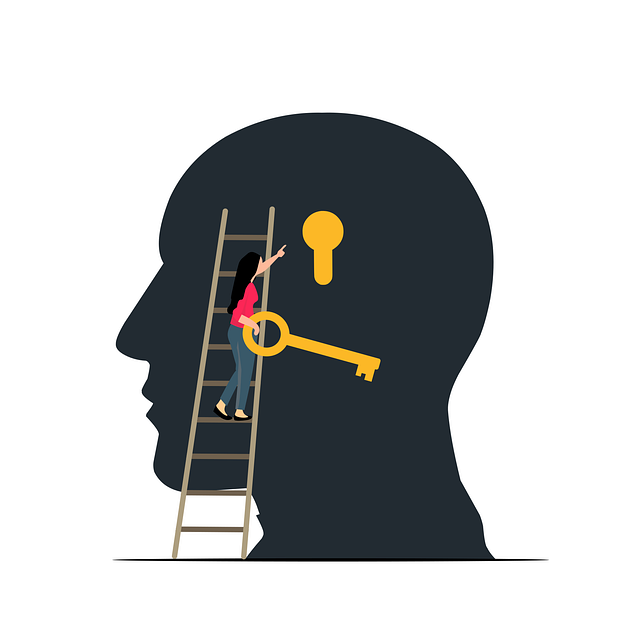
Imagine someone who keeps falling for partners who are emotionally distant. Each time, they promise themselves it will be different, and each time they end up in the same painful place, feeling unwanted and alone. Or picture a high-achieving professional who succeeds again and again, yet is haunted by a quiet voice insisting that they are not good enough. If you have ever wondered why you repeat the same patterns despite your best efforts, schema therapy may offer some answers.

Schema therapy is a deep, integrative form of psychotherapy designed to help people understand and change the long-standing life patterns that started in childhood. Rather than only treating symptoms, it looks at the emotional needs that went unmet and the beliefs that grew from them. It then helps you meet those needs in healthier ways today.
In this guide, you will learn what schema therapy is, how schemas and modes work, which techniques therapists use, what conditions it helps, and how it compares with other therapies. This article is for education only and is not a substitute for professional care.
Quick Answer: What Is Schema Therapy?
Schema therapy is an evidence-informed form of psychotherapy that helps people identify and heal deep, lifelong emotional patterns, called schemas, which formed when core childhood needs went unmet. It combines cognitive, behavioral, and emotion-focused methods with a supportive therapeutic relationship. The goal is to weaken unhelpful patterns and strengthen your healthy adult self.
What Is Schema Therapy and Who Developed It?
Schema therapy was developed in the 1980s and 1990s by the American psychologist Jeffrey Young. Young was a cognitive behavioral therapist who noticed that some clients did not improve with standard treatment. These were often people with long-standing difficulties in relationships, self-esteem, and emotional regulation, whose problems seemed to run deeper than a few unhelpful thoughts.
He began to see that many of these clients carried powerful, early-formed patterns, which he called early maladaptive schemas. To address them, he built a new approach that blended ideas from cognitive behavioral therapy, attachment theory, and experiential therapies such as Gestalt. The result was a framework that works with thoughts, feelings, behaviors, and the relationship with the therapist all at once.
In everyday language, a schema is a lens through which you see yourself, other people, and the world. Think of it like a pair of tinted glasses you started wearing so young that you forgot you had them on. If the tint is dark, everything looks a little bleak, and you may not realize that the color comes from the glasses and not from reality.
Schema therapy aims to help you notice those glasses, understand where they came from, and gradually exchange them for a clearer view. It was first created for people with complex, long-term problems, but it is now used for a wide range of concerns and in individual, group, and couples formats.
Early Maladaptive Schemas: Where Your Patterns Come From
To understand schema therapy, you need to understand how schemas form. Young proposed that children have a set of core emotional needs. These include safe attachment to others, a sense of autonomy and competence, freedom to express needs and feelings, spontaneity and play, and realistic limits.
When these needs are consistently met, children grow up with a stable, healthy sense of self. When they are not, the child adapts as best they can. A child who is repeatedly criticized may conclude, “I am not good enough.” A child whose caregiver is unreliable may decide, “People leave, so I should not get close.” These conclusions become deeply embedded beliefs, formed long before the child could question them.

Importantly, schemas do not always come from dramatic abuse or neglect. Sometimes they grow from quieter experiences, such as a parent who was physically present but emotionally unavailable, a family that valued achievement over feelings, or a painful experience of being bullied. Temperament plays a part as well, since two children in the same home can develop very different schemas.
Once a schema forms, it tends to stay with you. It becomes familiar, and familiarity can feel like truth. As adults, we often unconsciously seek out situations that match our schemas, because they feel like home, even when they hurt. That is why a person with an abandonment schema may feel drawn to unavailable partners, while someone with a defectiveness schema may feel anxious when others praise them.
Schemas are triggered when something in the present echoes the past. A delayed text message, a critical comment, or a small disagreement can set off an intense emotional reaction that seems out of proportion. The reaction makes sense once you see it as the old schema speaking.
If your childhood included harmful relationships, our article on emotional abuse explains how repeated criticism and control can shape a person’s sense of self, which can lay the groundwork for schemas.
The Main Schema Domains Explained in Simple Terms
Young identified eighteen early maladaptive schemas, grouped into five broad domains. You do not need to memorize them, but knowing the main themes can help you recognize your own patterns.
Disconnection and rejection
This domain includes schemas such as abandonment, mistrust and abuse, emotional deprivation, defectiveness and shame, and social isolation. People with these patterns often struggle to feel safe and accepted in close relationships. They may expect to be let down, feel fundamentally flawed, or believe that no one will truly understand them.
Impaired autonomy and performance
Here you will find schemas such as failure, dependence, vulnerability to harm, and enmeshment. People in this group may doubt their ability to manage life on their own, expect disaster, or feel too fused with a parent or partner to develop their own identity.
Impaired limits
This domain includes entitlement and insufficient self-control. It involves difficulty respecting limits, whether those of other people or one’s own. These patterns often develop when a child was either overindulged or given little structure.
Other-directedness
Schemas in this group include subjugation, self-sacrifice, and approval seeking. People with these patterns tend to put others’ needs first, suppress their own wishes, and rely heavily on approval from others to feel worthwhile.
Overvigilance and inhibition
This domain includes negativity and pessimism, emotional inhibition, unrelenting standards, and punitiveness. People with these patterns are often harsh with themselves, constantly worried, and uncomfortable with spontaneity or vulnerability.
Most people recognize themselves in more than one schema, and that is perfectly normal. Schema therapists often use a questionnaire and a detailed life history to map which schemas are strongest for you. You can think of this as drawing a personal map of the patterns that have shaped your story.
Schema Modes: The Different Parts of You
While schemas are long-term patterns, schema modes describe the emotional states and coping responses that take over from moment to moment. Think of modes as different parts of you that step forward depending on the situation, like characters taking turns on a stage.
Child modes
The vulnerable child mode holds the pain of unmet needs. It feels lonely, scared, ashamed, or abandoned. The angry child mode erupts when core needs are blocked, while the impulsive or undisciplined child acts on urges without thinking. The happy child mode, by contrast, is playful, curious, and carefree, and it is a part many people with difficult histories rarely get to experience.
Coping modes
Coping modes are the strategies you developed to survive painful feelings. Young described three broad styles, which resemble the fight, flight, and freeze responses. Some people surrender to the schema, becoming compliant and giving in to others. Some avoid, by detaching emotionally, withdrawing, or numbing out with distractions. Others overcompensate, by acting in the opposite direction, such as appearing superior, controlling, or aggressive to cover feelings of inadequacy.
These strategies often helped when you were small, but as an adult they can keep you stuck. Interestingly, some behaviors that look like arrogance or control can be an overcompensation for deep shame, which is one reason schema therapy has been used with people who have strong narcissistic traits. If you are curious about that, our guide to the difference between narcissism and narcissistic personality disorder offers helpful background.
Parent modes
The punitive parent and demanding parent modes are internalized voices that criticize, shame, or pressure you. They echo the way important adults treated you in the past. When this voice says, “You are pathetic” or “You must never make a mistake,” you are hearing an old script, not an objective truth.
The healthy adult mode
The healthy adult is the wise, balanced part of you that can care for the vulnerable child, set limits on harmful coping, and make good choices. Much of schema therapy is about strengthening this mode so that it can lead your inner team.
How Schema Therapy Works: The Four Core Strategies
Schema therapy is not a single technique but a flexible blend of approaches. Therapists typically work in four overlapping areas, adjusting the balance depending on your needs.
The first is cognitive work. Here you learn to identify your schemas, understand where they came from, and challenge the thoughts that keep them alive. You might keep a diary of triggers, or make a flashcard that reminds you of a more balanced view when a schema fires.
The second is experiential work, which focuses on emotions. Because schemas are rooted in feelings and early memories, talking alone is often not enough. Techniques such as imagery and role-play help you access and heal the emotions behind the patterns.

The third is behavioral pattern breaking. Insight is valuable, but change also requires new action. You and your therapist identify unhelpful habits, such as avoiding conflict or choosing unavailable partners, and you practice healthier responses step by step.
The fourth, and perhaps most distinctive, is the therapy relationship itself. Schema therapists use a stance called limited reparenting. Within professional boundaries, the therapist offers warmth, validation, and consistency that meet some of the needs your caregivers could not. This does not mean the therapist replaces your family, but that you experience a relationship in which it is safe to be vulnerable.
Another key element is empathic confrontation, in which the therapist kindly but firmly points out patterns that are holding you back. The balance of support and gentle challenge is what makes the work powerful.
Schema Therapy Techniques: Imagery Rescripting and Chairwork
Two techniques stand out in schema therapy, and both can feel surprisingly moving. They are designed to help you reach emotions that words alone cannot touch.
Imagery rescripting
In imagery rescripting, you close your eyes and picture a painful memory or situation from your past. With your therapist guiding you, you then imagine a different ending in which your needs are met. Your healthy adult self, or the therapist, may step into the scene to protect, comfort, or stand up for the child you once were.
This does not change what actually happened, but it can change how the memory is stored and how it feels. Many people find that the emotional charge of the memory softens, and they gain a stronger sense of compassion for themselves. Working with this kind of material can overlap with what many people call inner child work, which focuses on healing the younger parts of ourselves.
Chairwork
Chairwork, sometimes called mode dialogues, involves placing different chairs in the room to represent different parts of you, such as the vulnerable child, the punitive parent, and the healthy adult. You move between the chairs and speak from each perspective, so that the inner conflict can play out in the open.
For example, you might sit in the punitive parent chair and voice the harsh criticism you hear in your head. Then you switch to the healthy adult chair and respond with firmness and care. This gives you a chance to talk back to the critical voice rather than just absorbing it.
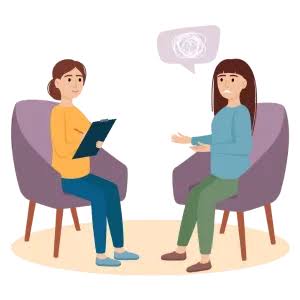
Because these exercises can bring up strong feelings, a skilled therapist will help you stay within what is often called the window of tolerance, the zone in which you can feel emotions without becoming overwhelmed or shutting down. Developing your emotional regulation skills alongside the deeper work makes the process safer and more effective.
Schema therapy also uses other tools, such as letter writing, flashcards, diaries, and behavioral experiments. Not every technique suits every person, so a good therapist tailors the plan to you.
What a Schema Therapy Session and Timeline Look Like
If you are considering schema therapy, you may wonder what actually happens in the therapy room. The process usually unfolds in stages.
The first phase is assessment and education. Your therapist asks about your history, current difficulties, and relationships. You may complete questionnaires that help identify your schemas and modes. You will learn the schema therapy model, which many people find validating because it explains why they have struggled.
The second phase is change work. This is the heart of the therapy, where you use experiential techniques, cognitive tools, and behavioral experiments to weaken your schemas and strengthen your healthy adult. Sessions may include imagery, chairwork, discussions of recent triggers, and plans for new behaviors between sessions.
The final phase focuses on consolidating gains and preparing for the future. You and your therapist look at how to handle setbacks, maintain progress, and eventually move toward ending therapy.
Sessions typically last around fifty minutes, and they are often weekly, although some programs for complex difficulties use more frequent sessions at the start. The length of treatment varies a great deal. For more specific issues, some people see benefits within several months. For deep, long-standing personality-related difficulties, treatment often lasts a year or two, sometimes longer.
Progress is usually gradual, and there may be times when feelings get stirred up before they settle. This is normal. If you find it hard to attend in person, many therapists offer sessions by video, and online therapy for anxiety and related concerns has made specialist support easier to reach.
What Conditions Can Schema Therapy Help?
Schema therapy was originally developed for difficulties that did not respond well to standard cognitive therapy, and it remains especially well known for treating personality-related problems. Over time, it has been applied to many other conditions.
The strongest research support is for borderline personality disorder, where schema therapy has performed very well in clinical trials. It has also been used for avoidant, dependent, and narcissistic personality patterns, and for people with chronic or recurring depression and anxiety who have not improved with shorter-term treatment.
Many people turn to schema therapy for relationship problems, such as repeating unhealthy dynamics, difficulty trusting, fear of abandonment, or ongoing conflict. It is also used for eating disorders, trauma-related difficulties, and long-standing low self-esteem or perfectionism.
People who have experienced controlling or manipulative relationships may also find it helpful, since these experiences often reinforce schemas such as defectiveness, subjugation, and mistrust. If you are rebuilding after a harmful relationship, you may find our overview of healing after narcissistic abuse a useful companion to therapy.
It is worth remembering that schema therapy is not the only helpful option, and it is not right for everyone. A qualified professional can help you decide whether it fits your needs, and they may recommend combining it with other treatments or medication when appropriate.
Schema Therapy vs CBT, DBT and Psychodynamic Therapy
Because schema therapy borrows from several traditions, it is natural to wonder how it differs from others you may have heard of.
Traditional cognitive behavioral therapy focuses mainly on present-day thoughts and behaviors, and it is usually structured and time-limited. It is highly effective for many conditions, such as depression and anxiety disorders. Schema therapy builds on these tools but goes deeper into childhood origins, emotions, and the therapy relationship, and it generally takes longer.
Dialectical behavior therapy emphasizes practical skills for tolerating distress, regulating emotions, and improving relationships, and it was designed particularly for people with intense emotions and self-harm. Schema therapy shares an interest in complex emotional difficulties, but it places more emphasis on understanding and healing the roots of patterns through experiential work.
Psychodynamic therapy also explores early experiences and unconscious patterns. Schema therapy differs by being more active and structured. The therapist takes a warmer, more engaged role, teaches a clear model, and uses specific techniques rather than staying mainly in an interpretive stance.
In short, you can think of schema therapy as bridging the gap between skills-based approaches and deeper, insight-oriented ones. Which approach works best depends on your history, your goals, and your preferences, and many people benefit from more than one.
Does Schema Therapy Work? What the Research Says
Schema therapy has a growing evidence base, though it is smaller than that of cognitive behavioral therapy. The best-known trials involve borderline personality disorder, where schema therapy was found to produce meaningful improvements and, in a notable Dutch trial, outperformed another established psychotherapy.
Studies have also suggested benefits for other personality-related problems, for chronic depression, and for certain anxiety and eating-related difficulties. Group formats of schema therapy have shown promise as well. At the same time, many studies are small, and research is still developing for several conditions, so it is wise to be cautious about sweeping claims.
It also helps to be realistic about what therapy can and cannot do. Schemas rarely vanish completely. The goal is for them to become weaker, less automatic, and less powerful, so that when they do get triggered, you recognize them and respond in healthier ways. Many people describe feeling more compassionate toward themselves, more able to form close relationships, and less ruled by old fears.
If you are interested in trying schema therapy, look for a licensed mental health professional with specific training in the approach. Many therapists list their schema therapy training or certification, and professional schema therapy organizations often provide directories. Do not hesitate to ask a prospective therapist about their training, experience with your concerns, and how they structure treatment.
Between sessions, you can support your progress by noticing your triggers, writing about strong emotional reactions, and practicing grounding techniques such as somatic grounding exercises when feelings feel too big. Treat yourself with the same kindness you would offer a child who was struggling.
If you ever feel unsafe or have thoughts of harming yourself, please contact local emergency services or a crisis line. In the United States, you can call or text 988 at any time, and many other countries have similar services.
Frequently Asked Questions
What is schema therapy used for?
Schema therapy is used for long-standing emotional and relationship patterns, including personality-related difficulties, chronic depression and anxiety, low self-esteem, and trauma-related problems. It is especially helpful when shorter-term therapies have not brought lasting change. A professional can assess whether it fits your needs.
How long does schema therapy take?
It varies. For focused issues, people may notice progress within several months. For deep, long-standing patterns or personality-related difficulties, treatment often runs a year or two, sometimes longer. Your therapist can give you a clearer estimate after assessing your history and goals.
What is the difference between schemas and modes?
Schemas are deep, long-term beliefs and patterns about yourself and others, formed in childhood. Modes are the emotional states and coping responses that take over in the moment, such as the vulnerable child or the punitive parent. Schemas are the underlying themes, while modes are the shifting expressions.
Is schema therapy better than CBT?
Not necessarily. CBT is highly effective for many conditions and is often shorter and more structured. Schema therapy may suit people with long-standing, complex patterns who have not improved with standard approaches. The best choice depends on your needs, and a clinician can help you decide.
Can I do schema therapy on my own?
Self-reflection can help you notice patterns, and books and worksheets can be informative. However, the core of schema therapy, including imagery rescripting and the therapeutic relationship, is best done with a trained therapist. Working alone with painful memories can sometimes be overwhelming.
What is limited reparenting?
Limited reparenting is when a schema therapist offers warmth, validation, and consistent support within professional boundaries, helping to meet some needs that went unmet in childhood. The therapist does not replace your family. Instead, they provide a safe relationship in which you can heal and grow.
Does schema therapy work for narcissistic traits?
Schema therapy has been adapted for people with narcissistic traits, who often have hidden feelings of shame beneath their coping style. Change depends heavily on motivation and consistent effort. If you want to learn more, you can read about whether a narcissist can change on our site.
Conclusion
Schema therapy offers a compassionate way to understand why you keep repeating the same painful patterns. By tracing them back to unmet childhood needs, it helps you see that these patterns were once survival strategies, not personal failings, and it gives you practical tools to build a healthier, more balanced life.
If you recognize yourself in these ideas, consider speaking with a licensed therapist trained in schema therapy, and start with small steps such as noticing your triggers and treating yourself with kindness. Healing deep patterns takes time, but change is possible, and you deserve relationships and a sense of self that feel safe, warm, and free.