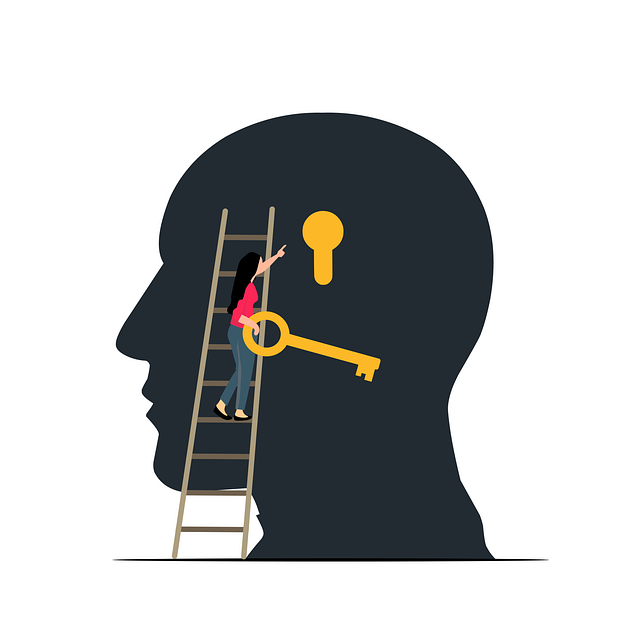
Art therapy, creative therapy, and art & creative therapy are transforming how mental health is approached. Instead of relying only on verbal communication, these methods use creativity as a tool for emotional healing, self-expression, and psychological growth.
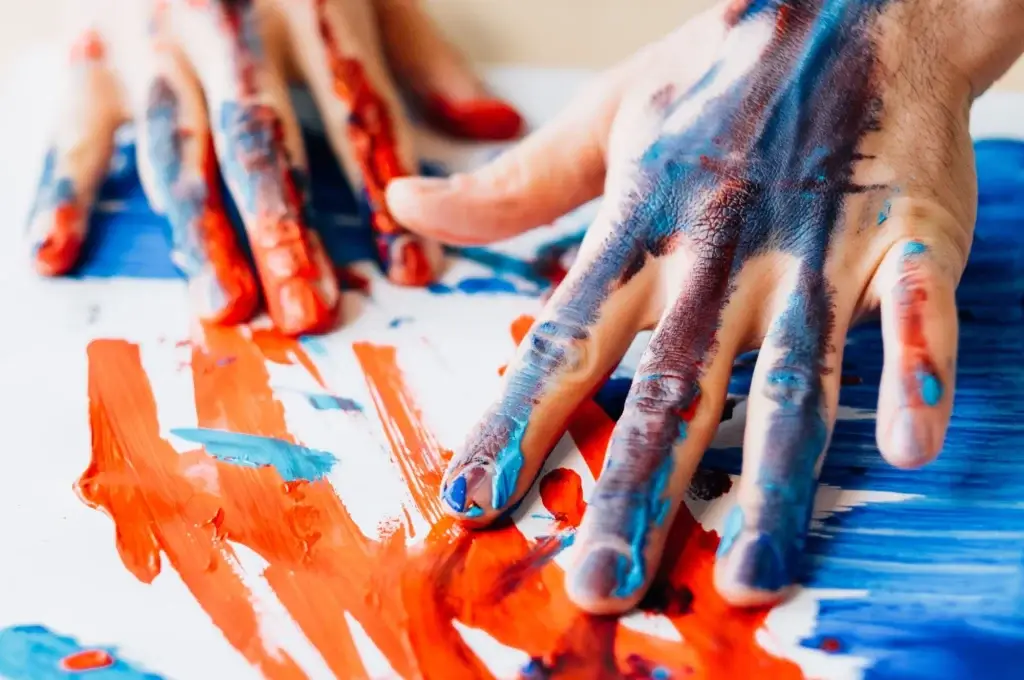
Many individuals find it difficult to express their thoughts and emotions through words alone, especially when dealing with anxiety, trauma, or depression. Expressive arts therapy provides an alternative by using nonverbal techniques that allow people to process emotions more naturally and effectively.
In today’s high-stress environment, healing through creativity offers a balanced approach that connects the mind, body, and emotional experience.
What Is Art Therapy?
Art therapy is a form of psychotherapy that uses creative processes such as drawing, painting, and sculpting to support mental health and emotional well-being.
The focus is not on artistic skill or talent. Instead, the emphasis is on expression, exploration, and meaning.
Creative therapy extends beyond visual art and includes:
- Music therapy
- Dance movement therapy
- Drama therapy
- Writing therapy and journaling therapy
Together, these approaches form what is known as creative arts therapy, combining psychological principles with creative expression.
How Art Therapy Works
Art therapy engages multiple psychological and physiological processes at the same time.
Emotional Release
Creative expression allows individuals to release suppressed or overwhelming emotions in a safe and structured way.
Cognitive Processing
Reflecting on creative work helps organize thoughts, identify patterns, and develop insight.
Mind-Body Connection
Physical engagement in creative activities reduces stress and promotes relaxation.
Nonverbal Communication
Art provides a channel for expressing experiences that may be difficult to verbalize.
Benefits of Art Therapy and Creative Therapy
Emotional Benefits
- Reduces anxiety and stress
- Helps manage symptoms of depression
- Supports emotional healing
- Improves mood stability
Cognitive Benefits
- Enhances creativity and problem-solving
- Improves focus and clarity
- Encourages healthier thinking patterns
Behavioral Benefits
- Develops coping strategies
- Improves emotional regulation
- Increases self-awareness
Physical Benefits
- Reduces stress-related tension
- Improves sleep quality
- Promotes overall relaxation
These benefits make creative therapy an effective holistic approach to mental wellness.
Types of Creative Therapy
Visual Art Therapy
Includes painting, drawing, and sculpting. It is widely used for emotional expression and trauma processing.
Music Therapy
Uses sound, rhythm, and music to regulate emotions and improve mental functioning.
Dance Movement Therapy
Focuses on body movement to release emotional tension and improve body awareness.
Drama Therapy
Uses role-playing and storytelling to explore emotions, relationships, and identity.
Writing and Journaling Therapy
Includes poetry, reflective journaling, and narrative exercises that help process thoughts and experiences.
Expressive Arts Therapy
Combines multiple creative methods into a single therapeutic approach for deeper emotional exploration.
Art Therapy for Mental Health Conditions
Art Therapy for Anxiety
Creative activities help calm the nervous system, reduce overthinking, and promote mindfulness.
Art Therapy for Depression
Encourages emotional expression, increases motivation, and helps individuals reconnect with a sense of purpose.
Art Therapy for Trauma and PTSD
Provides a safe way to process traumatic experiences without relying solely on verbal communication.
Art Therapy for Overthinking
Shifts focus away from repetitive thoughts toward action and present-moment awareness.
Art Therapy for ADHD
Improves concentration, engagement, and creative problem-solving.
Art Therapy for Autism
Supports communication, emotional understanding, and developmental growth.
Art Therapy Across Different Age Groups
Children
Helps develop emotional awareness, improves communication, and supports behavioral development. It is especially useful for children with special needs.
Teens
Supports identity development, emotional regulation, and coping with academic and social stress.
Adults
Helps manage stress, anxiety, and trauma while improving overall emotional balance.
Elderly
Improves cognitive function, reduces feelings of isolation, and enhances quality of life.
Art Therapy Techniques and Exercises
Free Drawing
Creating without a specific goal allows spontaneous emotional expression.
Emotion Color Mapping
Using colors to represent different emotions helps increase awareness and understanding.
Journaling Prompts
Writing responses to guided questions such as “What am I feeling?” or “What is causing my stress?” can provide clarity.
Collage Therapy
Combining images and materials to represent internal thoughts and emotions.
Mindful Painting
Focusing on the process of painting while maintaining awareness of breathing and sensations.
How to Do Art Therapy at Home
Art therapy can be practiced independently with simple steps:
- Choose a quiet and comfortable space
- Select a creative medium such as drawing, painting, or writing
- Set a clear intention, such as reducing stress or exploring emotions
- Create freely without judgment or self-criticism
- Reflect on the final result and what it represents
Regular practice can lead to meaningful improvements in emotional well-being.
Art Therapy vs Talk Therapy
| Feature | Art Therapy | Talk Therapy |
|---|---|---|
| Expression | Nonverbal | Verbal |
| Focus | Emotional and creative | Cognitive and behavioral |
| Best For | Trauma and emotional expression | Thought patterns and decision-making |
Many individuals benefit from combining both approaches.
Expressive Arts Therapy Techniques
Common techniques include:
- Guided imagery
- Symbolic drawing
- Movement-based expression
- Music-assisted relaxation
- Storytelling and narrative creation
These approaches strengthen the connection between mental and physical experiences.
Real-World Applications
Art therapy is widely used in:
- Educational institutions
- Healthcare settings
- Mental health clinics
- Trauma recovery programs
- Rehabilitation centers
It is particularly effective in situations where verbal communication alone is not sufficient.
Art Therapy as a Career and Business Opportunity
The growing awareness of mental health has increased demand for creative therapy services.
Opportunities include:
- Online therapy sessions
- Creative therapy workshops
- Certification and training programs
- Digital wellness platforms
This field offers both professional fulfillment and business potential.
Limitations and Considerations
- Art therapy should not replace medical treatment in severe conditions
- Complex trauma requires guidance from trained professionals
- Progress depends on consistency and commitment
Future of Creative Therapy
Creative therapy continues to evolve with the integration of digital tools and online platforms. It is becoming an essential part of modern mental health care due to its accessibility and effectiveness.
Conclusion
Art therapy, creative therapy, and art & creative therapy provide a powerful and flexible approach to mental health. By focusing on creativity, these methods allow individuals to access deeper emotional layers, improve self-awareness, and develop healthier coping strategies.
The strength of creative therapy lies in its ability to go beyond words and connect directly with human experience. It offers a natural and effective path toward healing, growth, and emotional balance.