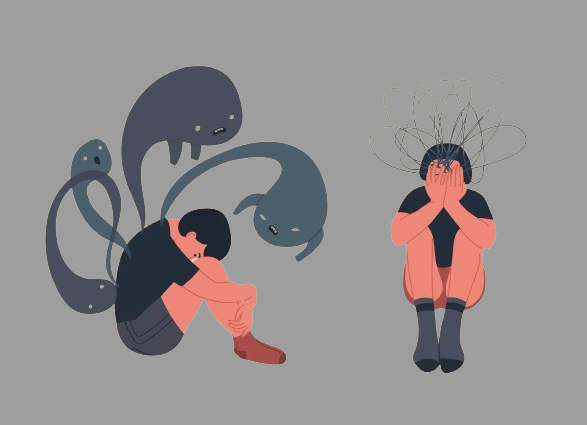
If you constantly worry about your health, scan your body for signs of illness, or fear that normal sensations mean something serious, you may be experiencing health anxiety symptoms. These symptoms can feel incredibly real, overwhelming, and frightening — even when medical tests come back normal.
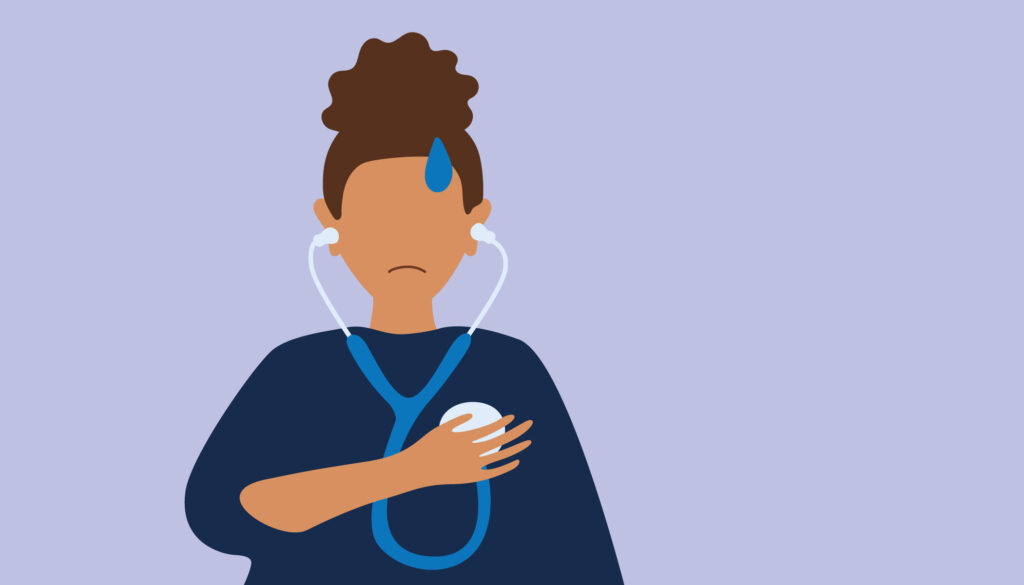
Health anxiety isn’t “just in your head.” It’s a powerful mind-body response that can create real physical sensations, intrusive thoughts, and persistent fear about serious illness. Many people struggle silently with this cycle, unsure whether they are truly sick or simply anxious.
What Is Health Anxiety?
Health anxiety refers to persistent worry about having or developing a serious medical condition. In clinical settings, it may be diagnosed as Illness Anxiety Disorder, a condition recognized in the Diagnostic and Statistical Manual of Mental Disorders.
However, not everyone with health anxiety meets full diagnostic criteria. Many people experience health anxiety symptoms on a spectrum — from occasional worry to constant fear that interferes with daily life.
Health anxiety typically includes:
- Intense fear of serious illness
- Frequent body checking
- Excessive Googling of symptoms
- Repeated medical appointments for reassurance
- Difficulty believing doctors when tests are normal
The key issue isn’t pretending to be sick. It’s a nervous system stuck in alarm mode.
Common Health Anxiety Symptoms
Health anxiety symptoms often fall into three categories: physical, emotional, and behavioral.
1. Physical Symptoms
Ironically, anxiety itself produces real physical sensations — which then fuel more fear.
Common physical health anxiety symptoms include:
- Rapid heartbeat
- Chest tightness
- Shortness of breath
- Dizziness
- Tingling or numbness
- Muscle tension
- Headaches
- Stomach discomfort
- Fatigue
- Sweating
These are classic physical symptoms of anxiety, but when you’re hyper-focused on your body, they can feel like signs of heart disease, neurological illness, or cancer.
2. Emotional Symptoms
- Constant fear of diagnosis
- Catastrophic thinking (“This must be serious”)
- Intrusive illness thoughts
- Panic when noticing body changes
- Feeling on edge
- Irritability
3. Behavioral Symptoms
- Googling symptoms repeatedly
- Avoiding hospitals out of fear
- Or visiting doctors excessively
- Seeking reassurance from family
- Checking pulse, moles, lymph nodes
- Monitoring breathing
Over time, these behaviors strengthen the anxiety loop.
Why Health Anxiety Feels So Real
Many people ask: “If it’s anxiety, why do the symptoms feel physical?”
Because anxiety activates the fight-or-flight system. When your brain perceives danger — even imagined danger — it releases stress hormones like adrenaline.
This causes:
- Increased heart rate
- Muscle tension
- Changes in breathing
- Digestive shifts
- Heightened sensory awareness
Your body reacts as if a real threat exists. The brain cannot easily distinguish between “what if I have cancer” and “a tiger is chasing me.”
The result? Convincing physical sensations.
Am I Sick or Is It Just Anxiety?
This is one of the most distressing questions people with health anxiety symptoms ask.
How Anxiety Mimics Illness
Anxiety can produce:
- Chest pain (muscle tension or hyperventilation)
- Tingling (carbon dioxide imbalance from rapid breathing)
- Head pressure (stress tension)
- Nausea (digestive changes under stress)
- Vision disturbances (stress and fatigue)
When you’re hyper-aware, you notice normal bodily variations most people ignore.
Differences Between Medical Symptoms and Anxiety
While only a medical professional can diagnose illness, anxiety-related symptoms often:
- Fluctuate with stress
- Improve when distracted
- Shift location or type
- Appear during worry episodes
- Reduce after reassurance (temporarily)
True medical emergencies usually worsen steadily or show objective findings.
The Reassurance Cycle
- Notice sensation
- Interpret as dangerous
- Panic increases
- Physical symptoms intensify
- Seek reassurance
- Feel temporary relief
- Doubt returns
This loop reinforces health anxiety symptoms long-term.
When to See a Doctor
You should seek medical care if:
- Symptoms are new and severe
- You have risk factors
- Symptoms persist or worsen
- You have difficulty functioning
Getting appropriately evaluated once is healthy. Repeated reassurance despite clear results may signal anxiety.
Health Anxiety vs Hypochondria
The term “hypochondria” is outdated and often stigmatizing. Modern psychology refers instead to Illness Anxiety Disorder.
The shift in language reflects understanding that:
- The fear is real
- The suffering is genuine
- It’s not attention-seeking
- It’s driven by anxiety mechanisms
Compassionate framing matters.
The Health Anxiety Cycle
Health anxiety symptoms are maintained by a predictable cycle:
Trigger → Sensation → Catastrophic Thought → Anxiety → Physical Sensation → Checking → Temporary Relief → Doubt
For example:
- You feel a headache
- Thought: “Brain tumor”
- Anxiety spikes
- Muscles tense → pain increases
- You Google symptoms
- Find scary stories
- Panic intensifies
Breaking this cycle is key to recovery.
How to Identify Your Anxiety Triggers?
Understanding triggers reduces fear.
Internal Triggers
- Body sensations
- Fatigue
- Hormonal changes
- Minor illness
- Stress
External Triggers
- News about disease
- Social media posts
- Medical TV shows
- Hearing about someone’s diagnosis
Psychological Triggers
- Past trauma
- Loss of a loved one
- Previous illness
- Perfectionism
- Need for certainty
Keeping a trigger journal helps you spot patterns.
Ask yourself:
- What was I thinking before anxiety spiked?
- What was happening externally?
- What sensation started it?
Awareness reduces automatic reactions.
How Do You Treat Health Anxiety?
Treatment is highly effective when approached consistently.
1. Cognitive Behavioral Therapy (CBT)
CBT helps you:
- Challenge catastrophic thinking
- Reduce reassurance-seeking
- Practice exposure to uncertainty
- Reinterpret body sensations
It is considered the gold standard for illness anxiety.
2. Exposure and Response Prevention
This involves:
- Not Googling symptoms
- Delaying reassurance
- Sitting with uncertainty
Over time, anxiety decreases naturally.
3. Acceptance and Commitment Therapy (ACT)
ACT teaches:
- Acceptance of uncertainty
- Values-based action
- Reduced struggle with thoughts
4. Medication
Selective serotonin reuptake inhibitors (SSRIs) may help when anxiety is severe. Medication decisions should be made with a doctor.
5. Self-Help Strategies
- Limit symptom Googling
- Reduce body checking
- Practice slow breathing
- Grounding exercises
- Mindfulness training
- Scheduled “worry time”
Recovery is gradual, not instant.
How to Calm Health Anxiety at Night?
Nighttime is especially difficult.
Why?
- Fewer distractions
- Increased body awareness
- Quiet amplifies thoughts
- Fatigue lowers coping ability
Nighttime Coping Strategies
1. The 5-4-3-2-1 grounding technique
Name 5 things you see, 4 you feel, 3 you hear, 2 you smell, 1 you taste.
2. Slow breathing
Inhale 4 seconds, exhale 6 seconds.
3. No Googling rule
Create a firm boundary after a certain hour.
4. Body scan relaxation
Focus on relaxing muscles from head to toe.
5. Reassurance script
Write a rational statement to read during panic.
Example:
“Anxiety has caused these sensations before. I am safe right now.”
When Health Anxiety Becomes a Disorder
Health anxiety may meet criteria for clinical diagnosis if:
- Worry lasts 6+ months
- It causes significant distress
- It interferes with work or relationships
- Medical reassurance does not help
Professional support is strongly recommended in these cases.
How Long Does Health Anxiety Last?
Without treatment, health anxiety symptoms can persist for years. With therapy, many people see improvement within months.
Consistency is key.
Can Health Anxiety Go Away Permanently?
Yes — but not by eliminating uncertainty.
The goal is not to prove you’re healthy forever.
The goal is to tolerate uncertainty without panic.
When you stop fighting uncertainty, anxiety loses power.
How to Support Someone With Health Anxiety
If a loved one struggles:
- Avoid constant reassurance
- Validate feelings, not fears
- Encourage therapy
- Avoid dismissing concerns
- Model calm responses
Example:
Instead of:
“You’re fine, stop worrying.”
Try:
“I can see this is really scary for you.”
Why Health Anxiety Symptoms Deserve Compassion
People with health anxiety often feel embarrassed or ashamed. But anxiety is a nervous system response — not weakness.
The body is trying to protect you.
It just became overprotective.
Final Thoughts: Recovery Is Possible
Living with health anxiety symptoms can feel exhausting and isolating. You may feel trapped between fear and doubt, constantly questioning your body.
But there is hope.
With the right tools — therapy, reduced reassurance-seeking, nervous system regulation, and patience — the anxiety cycle can weaken.
You don’t need 100% certainty to feel safe.
You need skills to tolerate uncertainty.
If your fears are overwhelming, consider reaching out to a licensed therapist or healthcare provider. Support makes a difference.
You are not alone in this — and recovery is absolutely possible.