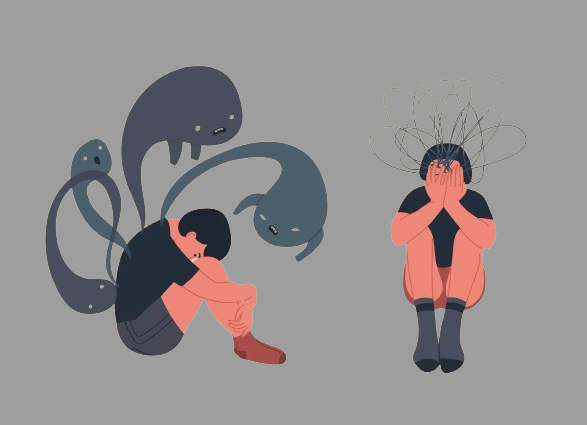
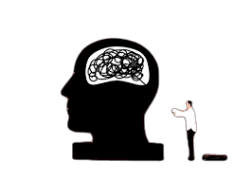
In today’s fast-paced world, many people notice that their thinking feels slower, memory becomes unreliable, and focus slips during stressful periods. This is not a personal failure — it’s a biological response. Understanding how stress impacts cognitive function is essential for protecting mental performance, emotional balance, and long-term brain health.

Stress does not only affect emotions. It directly alters how the brain processes information, makes decisions, and stores memories. Whether stress is short-term or chronic, its cognitive effects can influence productivity, learning, relationships, and overall quality of life.
How Does Stress Affect Cognitive Function?
Stress activates the brain’s survival system. When a threat is detected — real or perceived — the brain releases hormones like cortisol and adrenaline to help you respond quickly. While helpful in emergencies, this response comes at a cognitive cost.
The Brain’s Stress Pathway
When stress occurs:
- The amygdala (threat detector) becomes more active
- The prefrontal cortex (thinking and decision-making center) becomes less active
- Cognitive resources shift from logic to survival
This explains why under stress:
- Focus narrows
- Complex reasoning declines
- Memory retrieval becomes harder
In short, stress temporarily reprograms the brain to prioritize survival over thinking.
Acute vs Chronic Stress
- Acute stress may briefly sharpen attention
- Chronic stress consistently impairs cognition
Long-term exposure to stress hormones damages neural connections involved in learning, memory, and emotional regulation.
Stress and Memory: Why Recall Becomes Difficult
One of the clearest examples of how stress impacts cognitive function is its effect on memory.
Short-Term Memory
Stress reduces working memory capacity — the ability to hold and manipulate information. This leads to:
- Forgetting instructions
- Losing track of conversations
- Difficulty multitasking
Long-Term Memory
Chronic stress interferes with the hippocampus, the brain region responsible for memory formation. Over time, this can:
- Impair learning
- Slow recall
- Reduce memory accuracy
This is why people under prolonged stress often describe “mental fog.”
What Are 5 Cognitive Symptoms of Stress?
Stress affects cognition in predictable ways. Here are five common cognitive symptoms of stress:
1. Difficulty Concentrating
Stress scatters attention and reduces mental endurance.
2. Memory Lapses
You may forget names, tasks, or recent information.
3. Slower Thinking
Processing speed decreases, making decisions feel harder.
4. Mental Fatigue
The brain tires more quickly under stress.
5. Increased Errors
Stress increases mistakes by overwhelming working memory.
These symptoms are not signs of low intelligence — they are biological stress responses.
What Is the Cognitive Response to Stress?
The cognitive response to stress involves a shift from analytical thinking to instinctive reactions.
Survival Mode Thinking
Under stress:
- The brain simplifies information
- Black-and-white thinking increases
- Creativity and flexibility decline
This response evolved to keep humans alive, but it limits higher-level cognition in modern life.
Emotional Interference
Stress heightens emotional reactivity, which further disrupts rational thinking. Emotional noise competes with cognitive processing, reducing clarity.
How Does Stress Affect Cognitive Load?
Cognitive load refers to how much information the brain can handle at once.
Stress Shrinks Mental Capacity
Stress reduces available working memory, meaning:
- Fewer tasks can be processed simultaneously
- Simple tasks feel overwhelming
- Multitasking becomes ineffective
This explains why stress makes even easy responsibilities feel mentally exhausting.
Decision-Making Under Stress
Another major way how stress impacts cognitive function appears is through impaired decision-making.
Stress causes:
- Impulsive choices
- Risk-avoidant or risk-seeking behavior
- Reduced ability to evaluate long-term consequences
The brain favors speed over accuracy, often leading to regretful decisions.
Stress, Attention, and Focus
Stress narrows attention to perceived threats, reducing the ability to:
- Sustain focus
- Shift attention smoothly
- Filter irrelevant information
This can result in distractibility or hyper-focus on negative details.
Chronic Stress and Cognitive Decline
Long-term stress is associated with:
- Reduced neuroplasticity
- Shrinking of memory-related brain regions
- Persistent cognitive inefficiency
The good news: many stress-related cognitive changes are reversible with proper intervention.
How Stress Impacts Learning and Performance
Stress impairs learning by:
- Disrupting memory consolidation
- Reducing motivation
- Increasing mental fatigue
Students and professionals under chronic stress often struggle despite strong abilities.
Why Stress Makes You Feel Mentally Slower
Mental slowness under stress occurs because:
- Brain energy is diverted to survival systems
- Neural communication becomes less efficient
- Emotional load interferes with cognition
This is not permanent damage — it’s temporary overload.
How to Protect Cognitive Function From Stress
Evidence-based strategies include:
1. Stress Regulation
Regular relaxation reduces cortisol exposure.
2. Sleep Quality
Sleep restores memory and cognitive processing.
3. Physical Activity
Exercise improves brain oxygenation and neuroplasticity.
4. Mindfulness
Mindfulness reduces emotional interference.
5. Task Simplification
Reducing cognitive load improves performance.
When to Seek Professional Help
Consider support if:
- Cognitive symptoms persist despite rest
- Stress affects daily functioning
- Memory or focus decline rapidly
Therapy and stress-management programs can restore cognitive health.
Is Stress-Related Cognitive Decline Permanent?
In most cases, no. The brain is highly adaptable. When stress decreases, cognitive function often improves significantly.
Final Thoughts: Protecting Your Brain in a Stressful World
Understanding how stress impacts cognitive function empowers you to respond with compassion instead of self-criticism. Stress does not mean weakness — it reflects a brain doing its best to protect you.
By managing stress proactively, you protect not just your mood, but your memory, focus, intelligence, and long-term brain health.