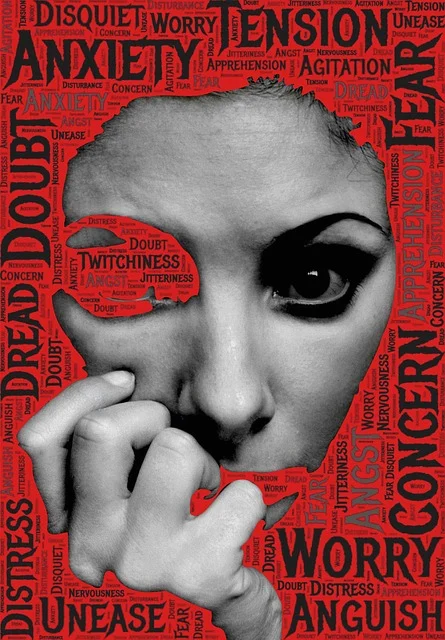
Anxiety without depression is more common than many people realize. While anxiety and depression are often discussed together, they are not the same condition—and they do not always occur at the same time. Many people experience persistent anxiety symptoms without feeling sad, hopeless, or emotionally numb, which are typical signs of depression.
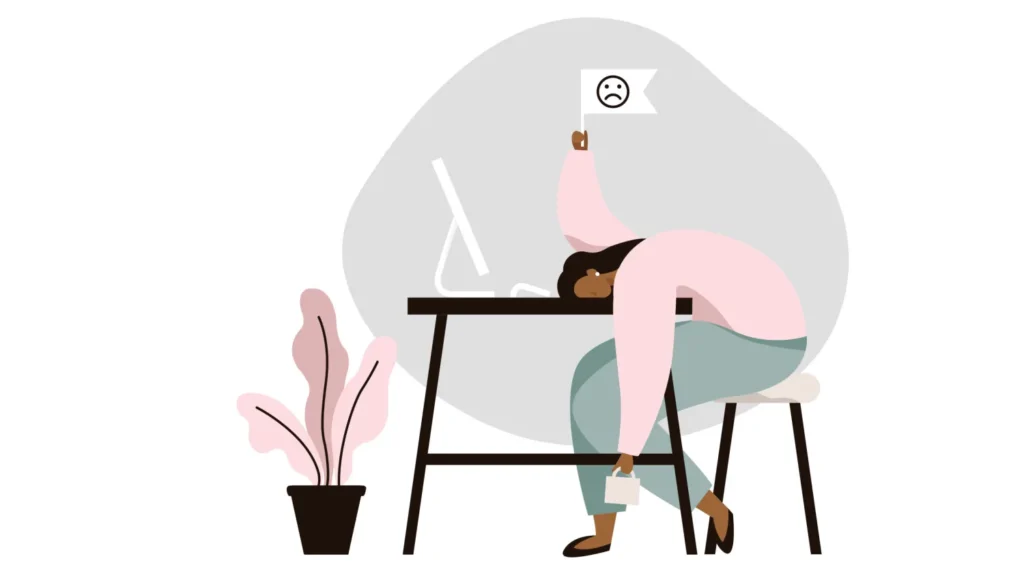
If you constantly feel tense, worried, restless, or on edge but do not feel depressed, you may wonder whether your experience is valid or whether something is being overlooked. The truth is that anxiety can exist completely on its own, affecting thoughts, emotions, behavior, and the body without involving depression at all.
What Is Anxiety Without Depression?
Anxiety without depression refers to experiencing ongoing anxiety symptoms without the persistent low mood, hopelessness, or loss of interest that define depression. A person with anxiety may feel highly alert, worried, or fearful but still feel motivated, emotionally responsive, and interested in life.
Anxiety is primarily driven by fear and anticipation, while depression is driven by low mood and emotional withdrawal. When anxiety exists alone, the nervous system stays in a heightened state of alertness, even when there is no immediate danger.
People with anxiety without depression often describe:
- Constant worry or nervousness
- Difficulty relaxing
- Feeling on edge or restless
- Physical tension and fatigue
- A strong desire to feel better and regain calm
This distinction matters because treatment approaches and coping strategies may differ depending on whether depression is present.
Can You Have Anxiety and No Depression?
Yes, you can absolutely have anxiety and no depression. Anxiety and depression are separate mental health conditions, even though they sometimes overlap.
Many people with anxiety:
- Do not feel hopeless
- Do not lose interest in activities
- Do not experience persistent sadness
- Still enjoy relationships and goals
Instead, they feel overwhelmed by worry, mentally overactive, and physically tense. Their main struggle is not lack of motivation, but an inability to switch off fear and overthinking.
Examples of anxiety without depression include:
- Constant worrying about health, work, or family
- Panic attacks without depressive symptoms
- Social anxiety without low mood
- Fear-based avoidance while still feeling emotionally engaged
It is important to validate anxiety as a standalone condition rather than assuming depression must be present.
Can You Have an Anxiety Disorder Without Depression?
Yes, you can have an anxiety disorder without depression. Many anxiety disorders do not require depressive symptoms for diagnosis.
Common anxiety disorders that can exist on their own include:
Generalized Anxiety Disorder (GAD)
- Excessive worry about everyday matters
- Difficulty controlling anxious thoughts
- Muscle tension and restlessness
- Mental fatigue
Panic Disorder
- Sudden panic attacks
- Fear of losing control or dying
- Physical symptoms such as chest tightness and dizziness
- Worry about future attacks
Social Anxiety Disorder
- Fear of social situations
- Worry about judgment or embarrassment
- Avoidance of social interactions
- Physical anxiety symptoms in public settings
Specific Phobias
- Intense fear of specific objects or situations
- Immediate anxiety response
- Avoidance behavior
Depression may occur alongside these conditions, but it is not required for diagnosis.
How Do I Tell If I Have Anxiety?
Many people ask, “How do I tell if I have anxiety?” Anxiety can show up in different ways, and symptoms may vary from person to person.
Emotional Signs of Anxiety
- Constant worry or nervousness
- Feeling overwhelmed by small things
- Irritability or impatience
- Fear without a clear reason
- Difficulty feeling calm or safe
Physical Symptoms of Anxiety
- Rapid heartbeat
- Muscle tension (especially neck, shoulders, jaw)
- Shortness of breath
- Stomach discomfort or nausea
- Fatigue despite adequate rest
- Headaches or body aches
Mental and Behavioral Signs
- Overthinking and rumination
- Difficulty concentrating
- Trouble sleeping
- Avoidance of stressful situations
- Seeking reassurance frequently
Anxiety symptoms tend to persist over time and interfere with daily functioning, even when there is no immediate threat.
What Is the Difference Between Stress, Anxiety, and Depression?
Understanding the difference between stress, anxiety, and depression can help clarify what you are experiencing.
Stress
- Response to external pressure
- Usually temporary
- Improves when the stressor is removed
- Can motivate action
Anxiety
- Internal fear response
- Often persists even without a clear trigger
- Focused on future threats
- Causes constant alertness and worry
Depression
- Persistent low mood
- Loss of interest or pleasure
- Low energy and motivation
- Feelings of hopelessness or emptiness
Key Differences at a Glance
| Feature | Stress | Anxiety | Depression |
|---|---|---|---|
| Main emotion | Pressure | Fear | Sadness |
| Duration | Short-term | Long-term | Long-term |
| Energy level | Variable | High but tense | Low |
| Motivation | Present | Present but anxious | Often absent |
Anxiety without depression typically involves fear and tension without emotional shutdown.
Common Causes of Anxiety Without Depression
Anxiety can develop for many reasons, even when depression is not present.
Biological Factors
- Sensitive nervous system
- Genetic predisposition
- Hormonal imbalances
- High stress reactivity
Psychological Factors
- Perfectionism
- Need for control
- Fear of uncertainty
- Learned worry patterns
Environmental Factors
- Chronic stress
- High-pressure environments
- Lack of emotional safety
- Exposure to ongoing uncertainty
Anxiety often develops gradually, becoming a habitual response to perceived threats.
How Anxiety Without Depression Affects Daily Life
Even without depression, anxiety can significantly affect quality of life.
Work and Productivity
- Difficulty focusing
- Procrastination due to fear
- Overworking to avoid mistakes
Sleep
- Trouble falling asleep
- Racing thoughts at night
- Waking up feeling tense
Relationships
- Fear of conflict
- Overthinking conversations
- Seeking reassurance
- Avoiding social situations
Physical Health
- Chronic muscle tension
- Digestive issues
- Frequent fatigue
- Weakened immune response
Over time, unmanaged anxiety can lead to burnout and exhaustion.
Diagnosis and When to Seek Help
You may benefit from professional support if:
- Anxiety lasts longer than six months
- Symptoms interfere with daily activities
- Physical symptoms persist
- Avoidance behaviors increase
- Worry feels uncontrollable
Diagnosis typically involves:
- Clinical interviews
- Symptom history
- Ruling out medical conditions
Early support can prevent anxiety from becoming more severe.
Treatment Options for Anxiety Without Depression
Anxiety without depression responds well to a variety of treatments.
Therapy
- Cognitive Behavioral Therapy (CBT)
- Mindfulness-based therapy
- Acceptance and Commitment Therapy (ACT)
- Exposure therapy
Therapy helps retrain anxious thought patterns and nervous system responses.
Lifestyle Changes
- Regular sleep schedule
- Balanced nutrition
- Gentle physical activity
- Reduced caffeine intake
Medication
- May be helpful in some cases
- Often combined with therapy
- Not always required
Coping Strategies for Living With Anxiety
Daily coping strategies can make a meaningful difference.
- Deep breathing exercises
- Grounding techniques
- Limiting reassurance-seeking
- Reducing avoidance
- Building predictable routines
- Practicing self-compassion
Consistency matters more than perfection.
Can Anxiety Exist Without Depression Long-Term?
Yes, anxiety can exist without depression long-term, especially if untreated. However, anxiety is highly manageable, and many people experience significant improvement with proper support.
With awareness, therapy, and self-regulation skills, anxiety does not have to define your life.
Conclusion
Anxiety without depression is a real and valid experience. You can have anxiety without feeling sad, hopeless, or emotionally numb. Understanding how anxiety differs from stress and depression can help you identify what you are experiencing and seek the right kind of support.
Anxiety is not a personal failure—it is a nervous system response that can be understood, managed, and softened over time. With the right tools and guidance, calm and confidence can return.