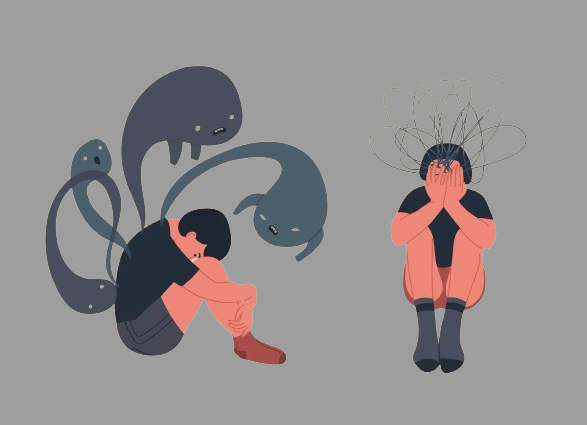
Bipolar disorder is one of the most misunderstood mental health conditions. Many people assume bipolar disorder is simply about mood swings, but in reality, it involves complex shifts in energy, sleep, behavior, thinking patterns, and emotional regulation. The condition appears in different forms—primarily Bipolar I and Bipolar II—and the most important distinction between them lies in the intensity and nature of mania.

For anyone trying to understand mood episodes, recognize symptoms, or support someone with bipolar disorder, learning the difference between bipolar 1 and bipolar 2 mania is crucial. This article provides a clear, medically accurate, and highly readable breakdown of how these two types differ, what mania vs hypomania feels like, how mood episodes progress through stages, and which type is considered more serious.
What Is Bipolar Disorder? A Clear, Reader-Friendly Explanation
Bipolar disorder is a chronic mental health condition involving significant swings in mood, energy level, functioning, and motivation. These swings are not ordinary emotional ups and downs; they are intense mood episodes categorized as:
- Mania
- Hypomania
- Depression
- Mixed episodes (features of both highs and lows at the same time)
These episodes affect sleep, behavior, decision-making, speech, and speed of thinking. Some episodes come on gradually; others appear suddenly and intensely. Bipolar disorder is not caused by personality or willpower—it is a brain-based mood regulation disorder with biological, genetic, psychological, and environmental roots.
The two most common diagnoses are:
- Bipolar I Disorder – involves full manic episodes
- Bipolar II Disorder – involves hypomanic episodes instead of full mania, plus major depressive episodes
Understanding the differences between mania and hypomania is essential for distinguishing bipolar 1 from bipolar 2.
What Is the Difference Between Type 1 and Type 2 Mania?
The key difference is the severity and impact of the elevated mood episode.
Bipolar I: Full Mania
Bipolar I requires the presence of a full manic episode, which is much more intense than hypomania. Mania can last one week or longer, or shorter if hospitalization is required.
Symptoms of Full Mania
- Extreme euphoria or intense irritability
- High energy and restlessness
- Rapid, pressured speech
- Grandiose beliefs (feeling invincible, special powers, huge confidence)
- Severe impulsivity
- Risky behaviors (spending sprees, unsafe sex, gambling, dangerous driving)
- Drastic reduction in sleep without feeling tired
- Racing thoughts, jumping between topics
- Hallucinations or delusions (in severe cases)
Full mania significantly disrupts daily functioning and often leads to:
- Hospitalization
- Legal problems
- Financial consequences
- Relationship breakdowns
- Safety concerns
Mania can be overwhelmingly intense and is considered a psychiatric emergency when severe.
Bipolar II: Hypomania
Bipolar II requires hypomanic episodes, which are milder than full mania and last at least four days.
Symptoms of Hypomania
- Elevated or irritable mood
- Boosted energy and productivity
- Fast speech but still understandable
- Increased confidence
- Increased sociability
- Lower need for sleep
- Creative bursts
- Mild impulsivity
Unlike full mania:
- Functioning may improve instead of collapsing
- There is no psychosis
- Behavior does not require hospitalization
- The person may still manage responsibilities
This makes hypomania feel “good” or “high-performing,” which is why many people with bipolar II do not recognize it as a symptom.
Clear Summary of the Difference
| Feature | Bipolar I Mania | Bipolar II Hypomania |
|---|---|---|
| Severity | Extreme | Mild to moderate |
| Duration | 7+ days | 4+ days |
| Psychosis | Possible | Not present |
| Functioning | Severely impaired | Often preserved or enhanced |
| Hospitalization | Common | Uncommon |
| Risk Behavior | High | Moderate |
| Diagnosis Requirement | At least one full manic episode | At least one hypomanic episode + depression |
In short: Bipolar I involves full mania; Bipolar II involves hypomania.
Is There a Bipolar 3?
There is no officially recognized “Bipolar III” diagnosis in psychiatric manuals such as the DSM-5.
However, some clinicians and researchers use the term “Bipolar III” informally to describe:
Antidepressant-Induced Mania or Hypomania
This refers to people who:
- Have major depressive disorder
- Take antidepressants
- Then develop mania or hypomania because of the medication
This group is sometimes labeled “bipolar III,” but it is not an official diagnosis.
Instead, most professionals consider antidepressant-induced mania a sign of underlying bipolar tendencies.
Why It’s Not Official
- Not all antidepressant-induced mania means bipolar disorder
- Research varies widely on causes and patterns
- Symptoms may stop when the medication is discontinued
- Diagnostic systems prefer clear, stable criteria
Though the idea of “bipolar III” is discussed in psychiatric literature, it remains a theoretical subtype, not a formal disorder.
What Are the 4 Stages of Mania?
Mania does not usually appear instantly. It often unfolds through four predictable stages, each with unique behavioral and emotional patterns. Understanding these stages helps individuals recognize episodes early and seek timely support.
Stage 1: Hypomania (Early “Lifted” Stage)
This stage feels positive, energetic, and productive.
Common symptoms:
- Reduced need for sleep
- Elevated confidence
- Fast but manageable thinking
- Boosted creativity
- Increased talkativeness
- Social charm
- Faster decision-making
Many people enjoy this stage and do not realize it is the beginning of an episode.
Stage 2: Acute Mania (Escalation Stage)
This stage marks the shift from hypomania to full mania—typical in bipolar I.
Symptoms become more intense:
- Rapid, pressured speech
- Dramatic mood swings—euphoria to rage
- Grandiosity
- Overreacting to minor triggers
- Impulsive decisions
- Increased risk-taking
- Very little sleep
Behavior begins affecting relationships, performance, and responsibilities.
Stage 3: Delirious Mania (Severe/Extreme Stage)
This stage is dangerous and requires medical intervention.
Symptoms include:
- Psychosis (delusions, hallucinations)
- Severe agitation
- Paranoia
- Confusion
- Disorganized behavior
- Inability to sleep
- Loss of judgment
- Aggression or self-harm risk
This stage can lead to hospitalization. Most people with bipolar II never reach this stage because hypomania does not escalate into full mania.
Stage 4: Recovery Phase
After mania, the brain “crashes.” This stage is often marked by:
- Exhaustion
- Sleep restoration
- Depressive symptoms
- Social withdrawal
- Regret or shame
- Cognitive fog
- Emotional sensitivity
Many people reflect on their behavior with embarrassment or confusion, wondering why they acted so differently.
Is Bipolar I or II More Serious?
Both bipolar I and bipolar II are serious mental health conditions, but in different ways. The misconception that bipolar II is “milder” is inaccurate.
Bipolar I: More Serious in Terms of Mania
- Full mania can be dangerous
- Higher rates of hospitalization
- Increased risk of psychosis
- More severe impulsive behaviors
- Greater potential for legal, financial, or medical crises
Because full mania can severely impair functioning, bipolar I is considered more serious on the manic side.
Bipolar II: More Serious in Terms of Depression
Bipolar II includes:
- Frequent depressive episodes
- More severe, longer-lasting depression
- Higher rates of suicidal thoughts
- Chronic mood instability
While hypomania is milder, bipolar II depression is often more disabling than the depressive episodes in bipolar I.
Which Is More Serious Overall?
Neither is “worse”—they are serious in different ways.
- Bipolar I → more severe mania
- Bipolar II → more severe depression
Both require proper diagnosis, long-term treatment, lifestyle adjustments, and support.
How Mania and Hypomania Feel: A Human-Centered Explanation
People experiencing mania or hypomania often describe it as:
- “My mind is racing faster than my mouth.”
- “I feel unstoppable.”
- “I don’t need sleep—I feel superhuman.”
- “Everything feels loud.”
- “I can do ten things at once.”
But as mania escalates, it may shift into agitation, irritability, and overwhelm, such as:
- “I can’t slow down.”
- “Everyone is annoying me.”
- “I’m angry for no reason.”
- “I’m losing control.”
Full mania can include delusions:
- Feeling chosen, powerful, or invincible
- Believing you have special missions or abilities
- Paranoia about others interfering
Understanding these internal experiences helps explain why mania is not simply “being energetic”—it is a dramatic shift in brain functioning.
Why Proper Diagnosis Matters
Misdiagnosing bipolar I as bipolar II—or vice versa—can lead to ineffective treatment.
Risks of Misdiagnosis
- Incorrect medications
- Worsening of mania or depression
- Increased cycling
- Ineffective coping strategies
- Greater hospitalization risk
Diagnosis typically involves:
- Psychiatric evaluation
- Mood history
- Family history
- Symptom tracking
- Behavioral observation
Accurate diagnosis helps stabilize mood episodes and improve long-term outcomes.
Conclusion
Understanding the difference between bipolar 1 and bipolar 2 mania is essential for anyone navigating mood disorders—whether personally or through supporting someone else. While bipolar I features full mania, bipolar II involves hypomania, which is less intense but paired with more frequent and severe depressive episodes.
The stages of mania reveal how episodes unfold over time, from mild energy boosts to potentially dangerous psychiatric emergencies. And although people often speculate about “bipolar 3,” it remains an unofficial term for antidepressant-induced mood elevation.
Both bipolar I and bipolar II are serious mental health conditions, each with its own challenges and risks. Neither is “better” or “worse”—they simply manifest differently. With proper diagnosis, treatment, and support, individuals with either type can achieve stability, emotional regulation, and meaningful progress in their lives.