|
Quick Answer Neuroplasticity is the brain’s biological ability to reorganize its neural connections and physical structure throughout your lifespan in response to learning, environment, injury, or therapeutic intervention. It operates primarily through synaptic plasticity (strengthening or weakening existing connections) and structural plasticity (the physical growth of new neurons and dendritic pathways), proving that the human brain remains highly adaptable and capable of deep healing at any age. |
|
Key Takeaways
|
What Is Neuroplasticity?
Neuroplasticity often referred to as brain plasticity or neural plasticity is the brain’s remarkable capacity to reorganize its structure, function, and internal networks throughout life. The term seamlessly combines neuro (relating to neurons, the brain’s fundamental nerve cells) and plasticity (the inherent capacity to be shaped, molded, or altered).
Canadian psychologist Donald Hebb first described the underlying principle of this phenomenon in 1949, introducing what is now universally known as Hebbian learning: “Cells that fire together, wire together”. When two neurons repeatedly activate simultaneously, the synaptic connection between them strengthens. Over time, these reinforced neural pathways form the physical, biological architecture of our daily habits, deep-seated memories, acquired skills, and even our core personality traits.
The Science: How Neuroplasticity Works in the Brain
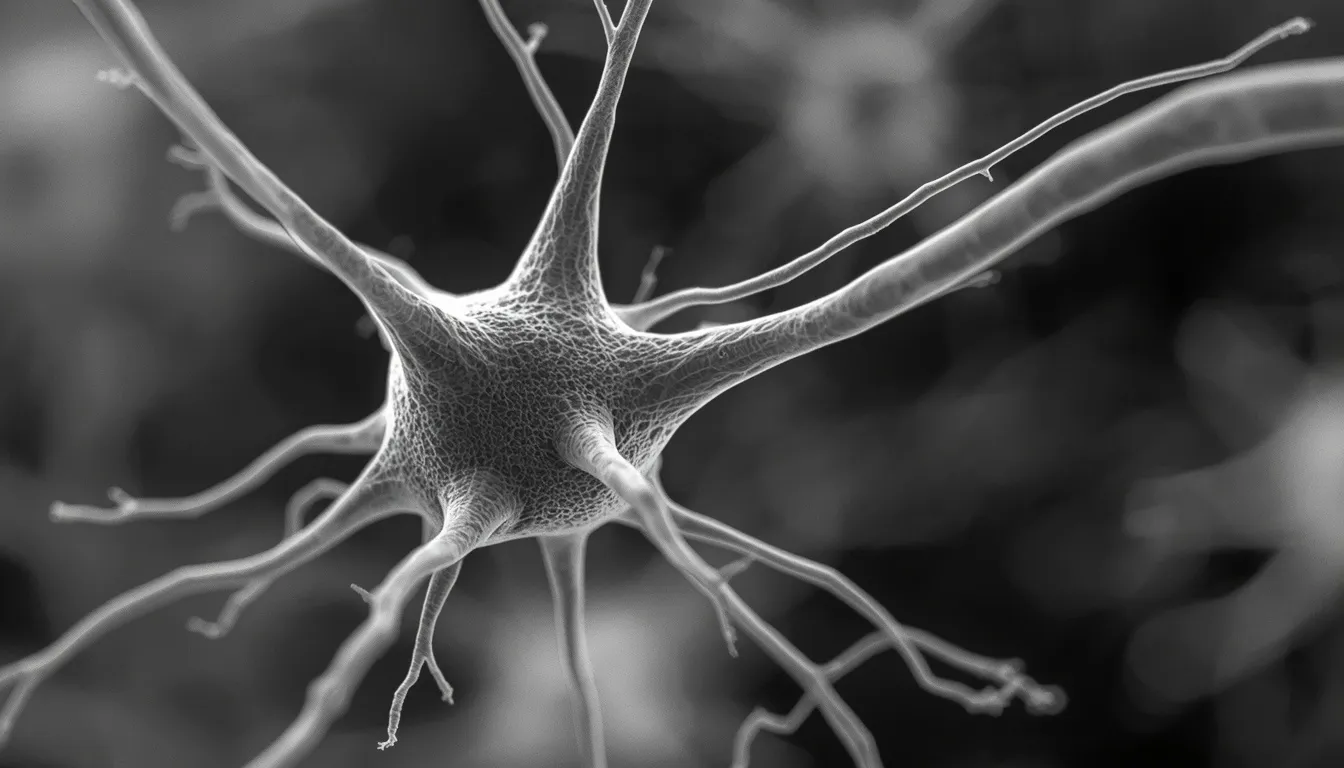
The human brain is an incredibly complex organ containing roughly 86 billion neurons, interconnected through trillions of microscopic synapses. Neuroplasticity allows this massive, intricate network to forge new connections, fortify existing ones, or prune away pathways that are no longer utilized.
This continuous remodeling occurs through three primary mechanisms:
- Synaptic Plasticity: The localized strengthening or weakening of the communication bridge (synapse) between two individual neurons, which serves as the foundation for short-term learning and memory retention.
- Structural Plasticity: Tangible, physical alterations to brain tissue over time. This includes neurogenesis (the birth of brand-new neurons, predominantly within the hippocampus) and dendritic branching (the growth of new receptor pathways).
- Glial and Astrocyte Support: Modern neuroscience increasingly recognizes these specific brain cells as highly active participants rather than mere passive structural support in determining exactly which synaptic changes are preserved or discarded.
This entire process depends heavily on Brain-Derived Neurotrophic Factor (BDNF). Frequently nicknamed “fertilizer for the brain,” BDNF is a crucial protein that actively supports the survival, maturation, and growth of new neurons, particularly in response to aerobic exertion and rigorous learning environments.
What 2025–2026 Research Has Added to the Picture
The field of neuroplasticity research has advanced rapidly in recent years, with several major developments actively reshaping modern clinical psychiatric practice:
- Behavioral Timescale Synaptic Plasticity (BTSP): Neuroscientists have isolated a much faster, dendrite-driven form of plasticity capable of encoding a memory from a single, potent experience within seconds challenging the traditional assumption that Hebbian learning always requires extensive repetition.
- Astrocyte Stabilization (CCN1): A landmark 2025 study from the prestigious Salk Institute ([Outbound Link Placeholder: Salk Institute CCN1 Study]) identified the astrocyte-secreted protein CCN1 as a vital stabilizer of neural circuits in the fully developed adult brain, uncovering a highly promising therapeutic target for treating Alzheimer’s disease, severe depression, and PTSD.
- AI- and VR-Assisted Neurorehabilitation: Forward-thinking clinics are now combining immersive virtual reality environments with AI-personalized therapy protocols. This extends the critical recovery windows for stroke and traumatic brain injuries (TBI) far beyond the previously assumed first-year ceiling.
Types of Neuroplasticity
Clinical neuroplasticity is generally categorized into three distinct functional groups:
- Functional Plasticity: The brain’s extraordinary ability to seamlessly shift a lost or impaired function to an entirely undamaged region. Following a stroke, for instance, neighboring or even distant brain areas can physically adapt to gradually take over compromised functions like speech processing or motor control.
- Structural Plasticity: The brain’s capacity to physically alter its internal wiring through rigorous learning, memory formation, or engaging in entirely new experiences, which results in the physical formation and strengthening of actual neural connections.
- Experience-Dependent Plasticity: The ongoing, dynamic changes driven specifically by one’s environment and repeated behavioral patterns, distinct from the rapid developmental plasticity seen in early childhood. This is the category most directly relevant to adult habit formation, skill acquisition, and therapeutic intervention.
Can You Actively Train Your Brain to Change?
Yes. One of the most practically empowering findings in modern neuroscience is that neuroplasticity is not merely a passive background process; it can be deliberately and strategically directed.
Neuroscientist Michael Merzenich, widely regarded as the “father of neuroplasticity,” demonstrated in a series of foundational studies ([Outbound Link Placeholder: Merzenich Published Research]) that highly targeted, intentional mental exercises change not just task performance, but the literal physical density and structure of the brain itself. His pioneering work laid the groundwork for the structured brain-retraining techniques utilized across elite clinical and consumer settings today.
How Neuroplasticity Supports Healing from Trauma
One of neuroplasticity’s most profound clinical applications is facilitating recovery after severe psychological or physical injury. When a brain region is damaged, neuroplasticity allows surrounding areas to adapt, a restorative process heavily documented by psychiatrist Norman Doidge.
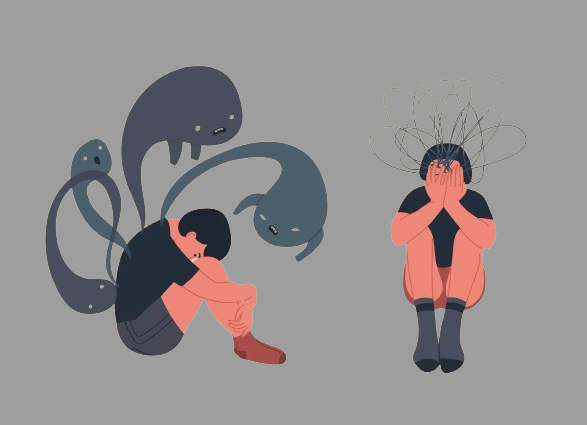
The exact same biological principle underlies all psychological healing. Severe trauma, chronic emotional stress, and severe anxiety effectively hijack the brain, creating rigid, hyper-vigilant neural loops. Structured therapies work specifically by providing the brain with repeated, clinically safe opportunities to actively prune these fear-based networks and build new, resilient pathways in their place.
For individuals navigating the complexities of post-traumatic stress or toxic relationship dynamics, understanding what EMDR therapy is and how it works is crucial. EMDR is built entirely on the premise that deeply embedded traumatic memories can be neurologically reprocessed and safely stored in the neocortex once the brain is provided with the correct bilateral stimulation.
Neuroplasticity and Mental Health Treatment
Conditions like severe depression, generalized anxiety, and PTSD often manifest as deeply grooved, intensely negative thought loops. These neural pathways fire so automatically that they feel like absolute, fixed realities rather than acquired, learned patterns. Neuroplasticity is the exact scientific mechanism that explains why psychiatric therapy actually works: it gives the physical brain a highly structured, repetitive framework to forge alternative, healthier neural pathways.
Clinical modalities rely heavily on this rewiring capability. By exploring different types of Cognitive Behavior Therapy (CBT) techniques, patients learn to actively replace automatic negative interpretations with flexible, adaptive ones through repeated, conscious practice. Over time, this conscious cognitive restructuring becomes a permanent, measurable neurological change.
What Factors Influence Your Brain’s Plasticity?
Several lifestyle and biological factors dictate how efficiently your brain can remodel itself:
- Age: While plasticity peaks in early childhood development, it forcefully continues throughout life, albeit at a naturally slower pace.
- Environment: High novelty and environmental stimulation actively encourage new dendritic connections; chronic monotony forcefully discourages them.
- Nervous-System Regulation: Chronic, unmanaged stress suppresses plasticity by flooding the brain with cortisol. Conversely, utilizing vagus nerve regulation techniques supports healthy vagal tone, creating the exact calm physiological baseline that neuroplasticity requires to function optimally.
- Sleep and Diet: REM and deep slow-wave sleep actively consolidate memory and systematically prune unnecessary connections, while diets rich in omega-3 fatty acids and antioxidants provide the biochemical building blocks required for neuronal growth.
7 Science-Backed Habits to Boost Neuroplasticity Naturally
To avoid “thin content” and genuinely harness the power of your brain’s adaptability, you must move beyond basic advice and implement rigorous, targeted daily protocols.
- Commit to Complex, Novel Learning Passively consuming information does not trigger significant structural plasticity. To force the brain to synthesize entirely new synaptic bridges, you must engage in high-friction, complex learning. Mastering a new language, learning to read sheet music, or navigating complex strategic environments demands intense cognitive effort, which physically increases gray matter volume over time.
- Engage in Rigorous Aerobic Exercise Physical movement is the single most effective biological catalyst for neurogenesis. Sustained aerobic exercise such as running, swimming, or high-intensity interval training (HIIT) floods the brain with oxygen and drastically elevates Brain-Derived Neurotrophic Factor (BDNF). This protein acts as structural reinforcement for your hippocampus, simultaneously improving long-term memory and dramatically elevating baseline mood.
- Prioritize Deep, Restorative Sleep Architecture Neuroplasticity does not primarily happen while you are awake; it solidifies while you sleep. During the deep REM and slow-wave sleep cycles, the brain meticulously reviews the day’s neural activations, physically strengthening vital pathways while engaging in “synaptic pruning” to clear away irrelevant data and metabolic toxins. Without proper sleep architecture, learning and emotional healing stall completely.
- Practice Intentional Mindfulness and Meditation Mindfulness is not simply a relaxation tool; it is a profound neurological intervention. Consistent meditation practice physically thickens the prefrontal cortex (responsible for executive function and logic) while simultaneously shrinking the amygdala (the brain’s primal fear and anxiety center). This biological shift significantly enhances sustained attention and emotional regulation.
- Cultivate Positive Cognitive Reframing The brain suffers from a natural “negativity bias,” easily storing traumatic or stressful events while ignoring positive ones. By consciously practicing gratitude and forcing yourself to reframe pessimistic thoughts, you are performing active cognitive restructuring. This intentional repetition weakens the neural pathways of chronic pessimism and physically wires the brain to default to optimism and resilience.
- Maintain Rich, Complex Social Connectivity The human brain is an intensely social organ. Navigating complex interpersonal relationships, reading subtle facial cues, and engaging in deep, empathetic conversations requires massive, brain-wide neural coordination. Maintaining a rich social life actively strengthens emotional processing circuits and provides a massive protective buffer against age-related cognitive decline.
- Systematically Manage Cognitive Overload
In a modern digital environment, the brain is constantly bombarded with micro-stimuli, leading to decision fatigue and severely hampered plasticity. To understand the relationship between stress and brain health, recognizing how stress impacts cognitive function is essential. By intentionally implementing periods of deep, uninterrupted focus and severely limiting passive screen time, you protect your brain’s ability to encode meaningful memories and maintain structural flexibility.

Myths vs. Facts About Neuroplasticity
Myth: Neuroplasticity only occurs in young children. Fact: Adults retain robust neuroplastic capabilities for their entire lives. While the developmental pace naturally slows, lifelong adult neurogenesis is a universally documented scientific fact.
Myth: You cannot change your core personality traits. Fact: Sustained, intentional behavior and targeted mindset training can absolutely reshape the neural pathways that form the foundation of personality traits. The change is highly gradual, but biologically proven.
Myth: Brain damage is always permanent and irreversible. Fact: Clinical recovery is frequently possible through targeted rehabilitation protocols that heavily leverage neuroplastic principles, including cutting-edge interventions like paired vagus nerve stimulation.
Myth: Standard “Brain-training” apps guarantee cognitive improvement. Fact: Extensive novelty and highly effortful, real-world skill-building show profoundly stronger evidence for structural brain changes than passive, repetitive app-based screen drills.
Frequently Asked Questions
What is neuroplasticity in simple terms? It is your brain’s biological ability to physically change its own structure and functional layout based on what you repeatedly think, do, and experience. It is the exact reason why practice makes difficult skills easier, and why psychiatric therapy can permanently shift long-standing, toxic thought patterns.
How long does it actually take for neuroplasticity to change the brain? While microscopic synaptic activity shifts within seconds or days of a novel experience, durable, physically felt changes in deep habits or emotional patterns typically require several weeks to several months of highly consistent repetition. The popular “21 days to form a habit” trope is a pervasive myth, not a clinical research finding.
Can severe trauma rewire the brain in harmful ways? Yes. Chronic stress, abuse, and severe trauma actively strengthen fear- and threat-detection pathways in the brain, resulting in a state often termed “maladaptive plasticity”. The exact same biological mechanism that facilitates incredible healing is also what allows psychological harm to take root, underscoring the absolute necessity of structured, trauma-informed psychiatric treatment.
Can neuroplasticity help cure anxiety or depression? Neuroplasticity is the foundational biological mechanism behind almost all evidence-based treatments for severe anxiety and clinical depression (including CBT, ACT, and exposure-based therapies). These therapies work exclusively by actively guiding the brain to build entirely new response patterns over time.
Medical Disclaimer & E-E-A-T Attribution
This article is for rigorous educational and informational purposes and does not replace personalized medical, psychiatric, or psychological advice. If you are actively recovering from a severe brain injury, acute trauma, or a complex mental health condition, you must work directly with a licensed clinical professional to build a targeted recovery plan suited to your unique neurological situation.
|
Medical Disclaimer & E-E-A-T Attribution This article is for educational purposes and does not replace personalized medical or psychological advice. If you are recovering from a brain injury, trauma, or a mental health condition, work with a licensed clinician to build a plan suited to your situation. Written by: Adil Farooq, Psychiatry Magazine Medically reviewed by: [Dr. Adil Farooq MS · PhD] · Updated: 2026 |