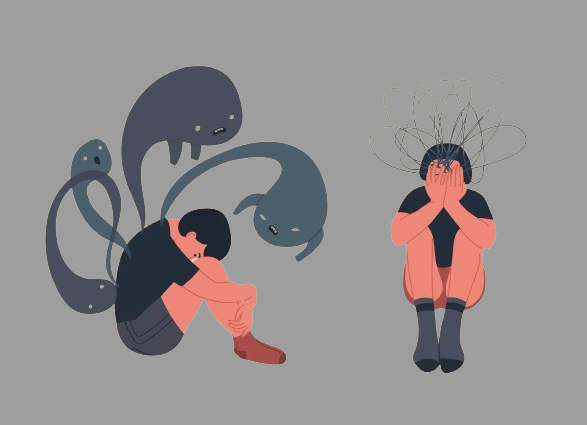
Quick Answer: What is Catatonic Schizophrenia? “Catatonic schizophrenia” is the term most people search for when a loved one experiences severe psychiatric immobility, but it hasn’t been an official standalone diagnosis since 2013. It describes someone living with schizophrenia whose symptoms include catatonia, a distinct pattern of extreme stillness, mutism, or unresponsiveness that can suddenly flip into repetitive, agitated, or unsafe movement. Today, the American Psychiatric Association’s DSM-5-TR categorizes this as schizophrenia with a “catatonia specifier”. Regardless of the medical label, it remains a serious, frightening, and highly treatable psychiatric emergency when recognized quickly. |
What “Catatonic Schizophrenia” Means Under Today’s Criteria
For nearly a century, psychiatrists sorted schizophrenia into subtypes paranoid, disorganized, catatonic, undifferentiated, and residual based on whichever symptom dominated at the time of evaluation. Catatonic schizophrenia was historically one of those five primary categories.
However, extensive clinical research eventually showed that these subtypes were not stable over a patient’s lifetime. The same person could look “catatonic” during one hospital admission and “paranoid” at the next, and these classifications failed to accurately predict how someone would respond to treatment.
When the DSM-5 arrived in 2013, the American Psychiatric Association retired all five subtypes. They replaced catatonic schizophrenia with a “with catatonia” specifier that clinicians can append to a schizophrenia diagnosis whenever catatonic features present themselves. The updated DSM-5-TR, published in 2022, kept this modern structure.
Historical vs. Modern Diagnostic Framing:
| Feature | Historical Model (Pre-2013) | Modern DSM-5-TR (Present) |
| Clinical Term | Catatonic Schizophrenia | Schizophrenia with Catatonia Specifier |
| Diagnostic Status | Standalone Illness Subtype | Modifier attached to a primary disorder |
| Nature of Condition | Viewed as a fixed, permanent trait | Viewed as a temporary, treatable state |
Today, a clinician does not diagnose “catatonic schizophrenia”. They diagnose schizophrenia, then note that it is currently presenting with catatonia. This distinction is critical because modern psychiatry understands that catatonia travels across many diagnoses. It shows up in bipolar disorder, major depression, autism spectrum conditions, and a range of neurological and metabolic illnesses. Roughly one in ten acute psychiatric inpatients shows catatonic features at some point. Among people specifically diagnosed with schizophrenia, catatonia tends to appear during severe, undertreated, or first-episode phases, rather than persisting as a permanent trait.
What Catatonic Symptoms Actually Look Like
Catatonia moves along two extreme physical poles, and the exact same person can shift drastically between them within a matter of hours.
The Withdrawn Pole (Stupor)
On the withdrawn end, the body shuts down physical engagement with the outside world. Symptoms include:
- Mutism: Stopping speaking almost entirely.
- Posturing & Waxy Flexibility: Holding a fixed posture for long stretches, resisting being repositioned, or maintaining a limb in the exact position a doctor or caregiver places it.
- Unresponsiveness: Stopping eating or drinking, staring without blinking, or seeming entirely unaware of the surrounding environment.
The Excited Pole (Agitation)
On the excited end, the individual can become agitated in a purposeless, repetitive way. Symptoms include:
- Echolalia: Compulsively mimicking the words spoken to them.
- Echopraxia: Mimicking the physical movements made near them.
- Stereotyped Gestures: Pacing, grimacing, or performing odd, repetitive physical gestures with no apparent goal.
Clinicians formally screen for these symptoms using the Bush-Francis Catatonia Rating Scale, which looks for at least three of roughly a dozen signs (including stupor, mutism, negativism, posturing, agitation, and mimicry behaviors) sustained for at least 24 hours.
A Crucial Note for Families: One detail caregivers consistently find unsettling and is deeply important to understand is that a person in a catatonic stupor is frequently still aware of their surroundings, even while they cannot move or speak in response to them. This is separate from the hallucinations and delusions that define schizophrenia itself. Catatonia is a disturbance of movement and behavior layered on top of or sometimes independent of the standard psychosis symptoms most people associate with the illness.
What Causes It, and Who’s at Higher Risk
No single underlying cause completely explains schizophrenia, and none perfectly explains why catatonia appears in one person’s illness trajectory and not another’s.
Genetic loading matters a first-degree relative with schizophrenia meaningfully raises the risk but genes alone do not account for symptom onset. Researchers increasingly describe it as a threshold effect, where inherited genetic vulnerability combines with severe environmental stressors. These risk factors include prenatal infections, obstetric complications, chronic early-life stress, and heavy adolescent cannabis or stimulant use, which push dopamine and glutamate signaling past a dangerous tipping point. For a fuller picture of how these factors interact across the broader condition, our comprehensive guide to schizophrenia’s symptoms, causes, and treatment options lays out the diagnostic criteria in more depth.
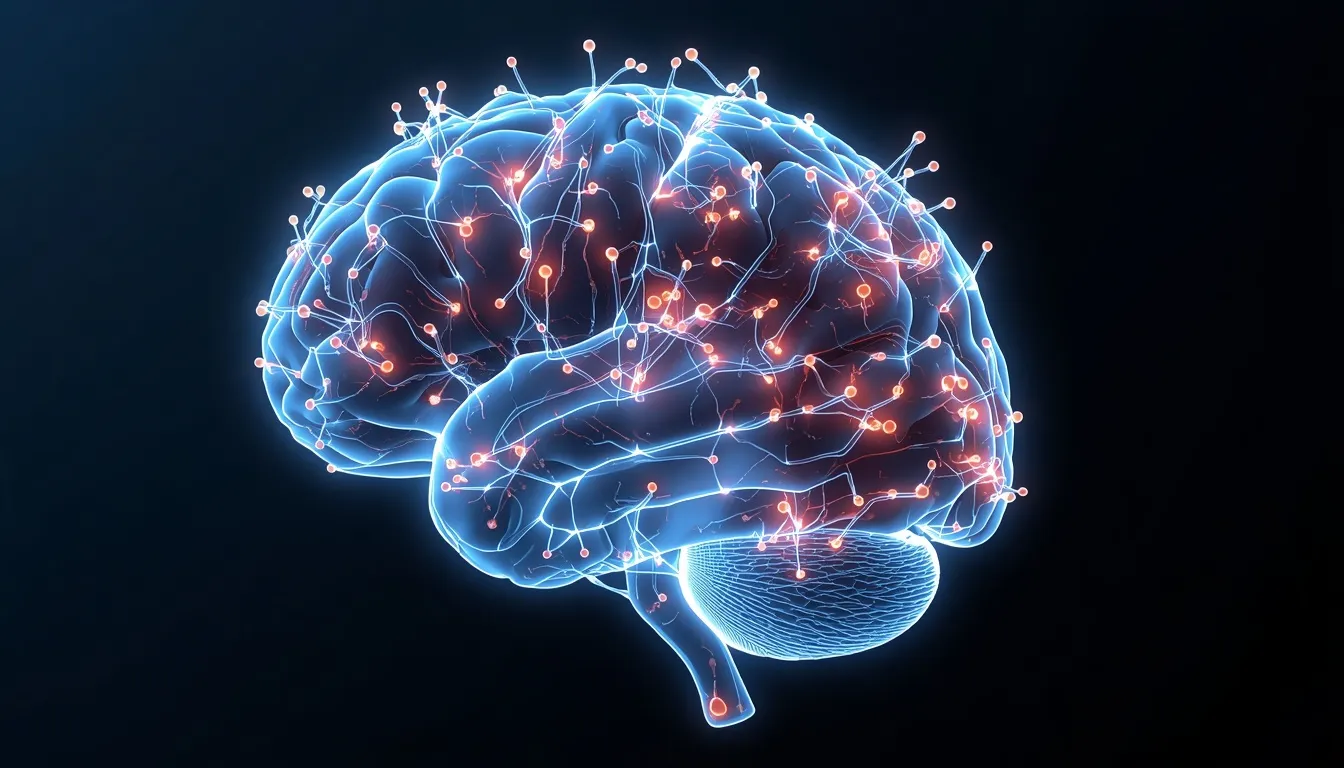
Catatonia specifically is thought to involve a separate but closely related chemical imbalance: a profound drop in GABA (gamma-aminobutyric acid) activity paired with glutamate excess in the brain’s cortical and motor-planning circuits. This specific neurochemical disruption is part of why GABA-boosting medications, rather than standard antipsychotics, are usually the first thing a clinician reaches for once catatonic schizophrenia is identified.
How Clinicians Diagnose It
There is still no blood test or brain scan that confirms schizophrenia on its own. Diagnosis depends on a psychiatric clinician observing a specific pattern of symptoms at least two of delusions, hallucinations, disorganized speech, grossly disorganized behavior, or flattened emotional expression persisting for a meaningful stretch of a month, within an illness that has been active in some form for six months.
Diagnosing the catatonia layered on top is a much more immediate, bedside process. A clinician scores the person against the Bush-Francis scale, then often confirms the finding with a lorazepam challenge test.
The Lorazepam Challenge
The doctor administers a small dose of the benzodiazepine lorazepam via injection. They then watch for a measurable drop in catatonic signs within about fifteen minutes to a few hours. A strong, rapid response supports the diagnosis and, conveniently, serves as the first dose of treatment itself.
Before officially settling on schizophrenia with catatonia as the sole explanation, clinicians typically order bloodwork, an EEG, and sometimes an MRI. This is because catatonia’s physical presentation can be identical whether the cause is psychiatric or a severe medical emergency such as encephalitis, non-convulsive seizures, or Neuroleptic Malignant Syndrome (NMS). NMS is a dangerous, life-threatening reaction to antipsychotic medication that can mimic catatonia closely enough to be lethal if missed by a doctor.
Treatment That Actually Works
Treatment for the catatonia and treatment for the underlying schizophrenia run on two entirely different timelines. Mixing these timelines up is one of the more common and dangerous misunderstandings families encounter.
- Immediate Acute Phase (Targeting Catatonia): Benzodiazepines, almost always lorazepam, are the first-line treatment. Dosed intravenously, they frequently produce visible improvement in stillness and mutism within minutes to hours, boasting published response rates in the 60–85% range.
- Delayed Antipsychotic Phase (Targeting Psychosis): Somewhat counterintuitively, standard antipsychotic medications are usually held back or introduced highly cautiously during the acute catatonic window. In an actively catatonic patient, antipsychotics can actually worsen the catatonia or trigger neuroleptic malignant syndrome. They are typically reintroduced only once the catatonic episode has fully eased, to address the underlying psychotic delusions and hallucinations.
- Electroconvulsive Therapy (ECT): For catatonia that doesn’t respond to benzodiazepines, or for dangerous “malignant” catatonia marked by a spiked fever, wildly swinging blood pressure, or rigidity severe enough to threaten breathing, ECT is a fast-acting, well-established, and highly effective next step not a last resort.
Supportive medical care runs alongside all of these interventions, including IV fluids or short-term tube feeding if the person has stopped eating or drinking, as well as close physical monitoring for blood clots and skin breakdown during prolonged immobility. Our deeper clinical walkthrough of catatonia’s full diagnostic scale and treatment protocol covers medication dosing sequences and malignant-catatonia warning signs in more detail.
When It’s an Emergency and How to Help Safely
Malignant catatonia characterized by fever, autonomic instability (fluctuating heart rate/blood pressure), and severe muscle rigidity is a critical medical emergency that belongs in an emergency room, not a scheduled psychiatric outpatient appointment. It can become life-threatening within days if left untreated.
A psychiatric crisis of a different kind can also rapidly emerge alongside catatonic schizophrenia: agitation, intense confusion, or a suddenly increased risk of harm to the person or the people around them.
If a loved one talks about wanting to hurt themselves or someone else, or you’re frightened by how unsafe the physical situation feels, call or text 988 (the Suicide & Crisis Lifeline) or call 911 rather than waiting to see if the episode passes. While you wait for emergency responders, stay with the person, remove anything obviously dangerous from the immediate space, and speak slowly and simply. Always assume they can hear and fully understand you, even if they cannot physically respond. Our dedicated guide on supporting someone through suicidal thoughts goes further into what to safely say and do in that specific, highly stressful moment.
Outlook and Living With It Long-Term
Catatonia itself responds exceptionally well to clinical treatment in most cases. The majority of people improve substantially within days once an intravenous lorazepam or ECT protocol is started, which is why early recognition by caregivers matters as much as it does.
Schizophrenia, however, is a different story: it’s a chronic condition managed over a lifetime rather than permanently cured. The presence of a catatonic episode, particularly a first one, is often a clinical signal that the underlying illness requires closer monitoring or a comprehensive change in the treatment plan, rather than acting as a permanent marker of severity.
Once the acute episode completely resolves, long-term management shifts toward standard, preventative schizophrenia care: maintenance antipsychotics, rigorous family psychoeducation, and structured relapse-prevention planning. Stopping medication abruptly is one of the most consistent and dangerous predictors of a repeat episode. People who remain actively engaged with their prescribed medication, ongoing therapy, and a consistent, trusting care team generally experience significantly better outcomes and have fewer repeat episodes than those who disengage from the medical system after the crisis passes.
Frequently Asked Questions (FAQs)
Is “catatonic schizophrenia” still an official diagnosis?
No. The DSM-5 officially retired it in 2013 in favor of “schizophrenia with catatonia” identifying schizophrenia as the primary diagnosis, and catatonia as a clinical specifier. The updated DSM-5-TR (2022) kept this approach.
What does catatonic schizophrenia look like in real life?
It physically ranges from near-total stillness, mutism, and blank staring to sudden, purposeless agitation, repetitive pacing movements, or mimicking others’ words and gestures, sometimes rapidly shifting between both within the exact same episode.
Is a person in a catatonic stupor aware of what’s happening around them?
Often, yes. Many patients later describe being fully mentally aware during a stuporous episode even though they were physically unable to move or speak. This is a primary reason clinicians encourage caregivers and family members to keep talking calmly to someone in this state.
Is catatonic schizophrenia hereditary?
Family history does significantly raise the overall risk for developing schizophrenia generally, but no single gene causes it. Having a blood relative with the condition doesn’t guarantee that catatonia specifically will develop.
What’s the first treatment doctors try for catatonia?
Intravenous lorazepam, a powerful benzodiazepine, is the first-line treatment and frequently works within minutes to hours to break the catatonic state. Electroconvulsive therapy (ECT) is highly effective and utilized for cases that don’t respond to medication, or for life-threatening malignant catatonia.
Can antipsychotic medication make catatonia worse?
It can. Standard antipsychotics are generally used very cautiously or delayed entirely until the catatonic episode eases. In some complex cases, antipsychotics can intensify catatonic rigidity or trigger a dangerous condition known as neuroleptic malignant syndrome.
When is catatonia considered a medical emergency?
When the physical immobility comes with a high fever, unstable blood pressure or heart rate, or muscle rigidity severe enough to affect the patient’s breathing. This specific combination, clinically called malignant catatonia, requires emergency room care immediately.
Medical Disclaimer & E-E-A-T AttributionThis article is for educational purposes and does not replace personalized medical or psychological advice. If you are recovering from a brain injury, trauma, or a mental health condition, work with a licensed clinician to build a plan suited to your situation. Written by: Adil Farooq, Psychiatry Magazine Medically reviewed by: [Dr. Adil Farooq MS · PhD] · Updated: 2026 |